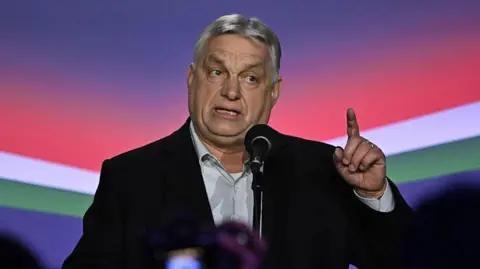
The Hungarian government, under Prime Minister Viktor Orban, has convened an emergency meeting of the National Defence Council after explosives were reportedly found near a major pipeline transporting Russian gas. This discovery occurred in a border area of Serbia, coinciding with a challenging electoral climate for Orban's ruling party as it lags in opinion polls ahead of elections next Sunday.
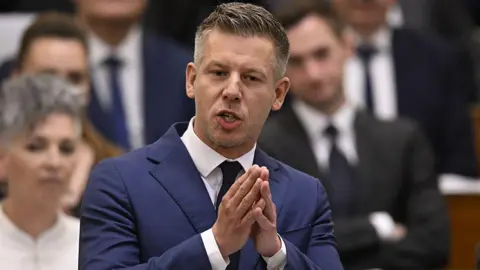
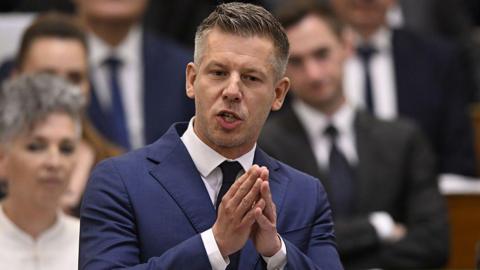
Opposition leader Peter Magyar has accused Orban of 'panic-mongering', suggesting that the Prime Minister is using the incident to instigate fear among the electorate with potential backing from 'Russian advisers'. This comes after security experts warned of a possible 'false flag' operation that could be manipulated to blame Ukraine.
Maintaining ties with Russian President Vladimir Putin, Orban has resisted EU pressures to cut energy reliance on Russia since the onset of the Ukraine conflict. In recent discussions, Hungarian security analysts have speculated that this incident could serve as a staged operation to garner sympathy for Orban’s Fidesz party or to justify delaying the upcoming elections.
Serbian President Alexander Vucic informed Orban about the explosive discovery made near the village of Tresnjevac, approximately 20 kilometers from where the TurkStream pipeline crosses into Hungary. Vucic has confirmed the explosives found were powerful, and he promised to keep Hungary updated on the investigation.
The TurkStream pipeline is essential for Hungary's energy supply, transporting between 5 to 8 billion cubic meters of gas annually. Allies of Orban have suggested that if the investigation reveals targeting of Hungary's supply lines, this could point towards a deliberate effort to undermine Orban's standing ahead of the elections.
As political tensions build, the Fidesz party has focused on anti-Ukrainian sentiment as part of its electoral campaign. Orban has emphasized the importance of Russian energy for maintaining lower heating and fuel costs for Hungarians, arguing against perceived conspiracies from 'Kyiv-Brussels-Berlin' to disrupt Hungary's access to Russian resources.
The unfolding situation raises questions about the authenticity and motivations behind the explosives discovery, with analysts suggesting possible misinformation tactics aimed at influencing public perception ahead of the elections. Meanwhile, Ukraine has denied any involvement, with its officials arguing that such actions may be part of a Russian plot to destabilize Hungarian politics.
Opposition figures have voiced skepticism regarding the government's narratives, claiming that even if the election is not postponed, the incident is designed to divert attention from pressing social issues faced by Hungarians as they head to the polls.