Hotel Booking Blunder May Free Australia’s Notorious Mushroom Murderer
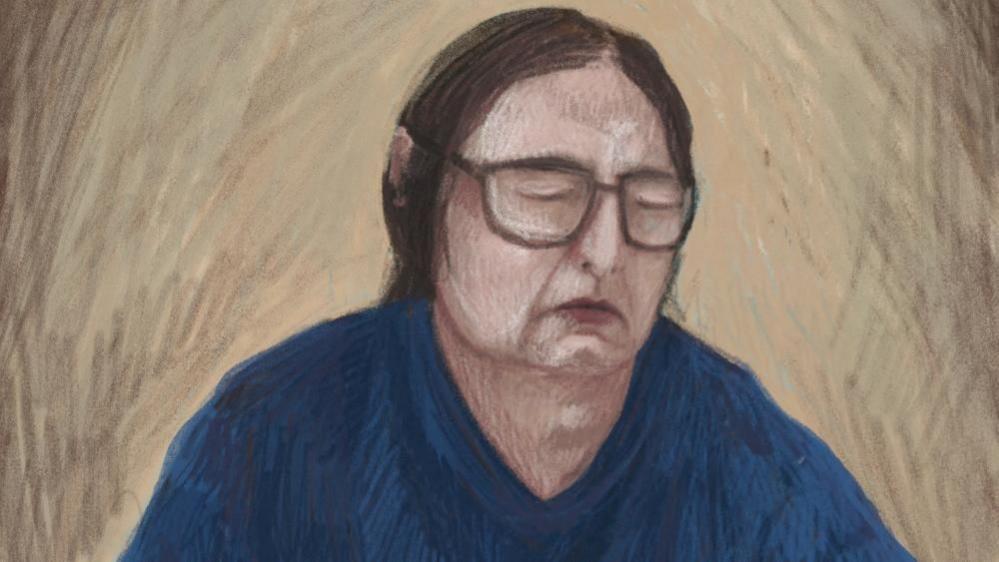
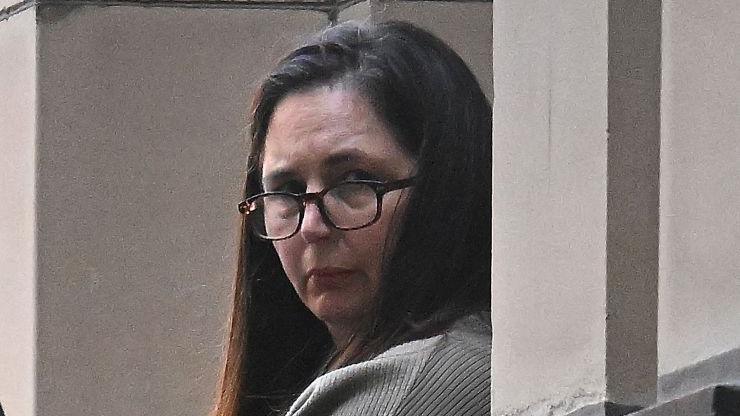
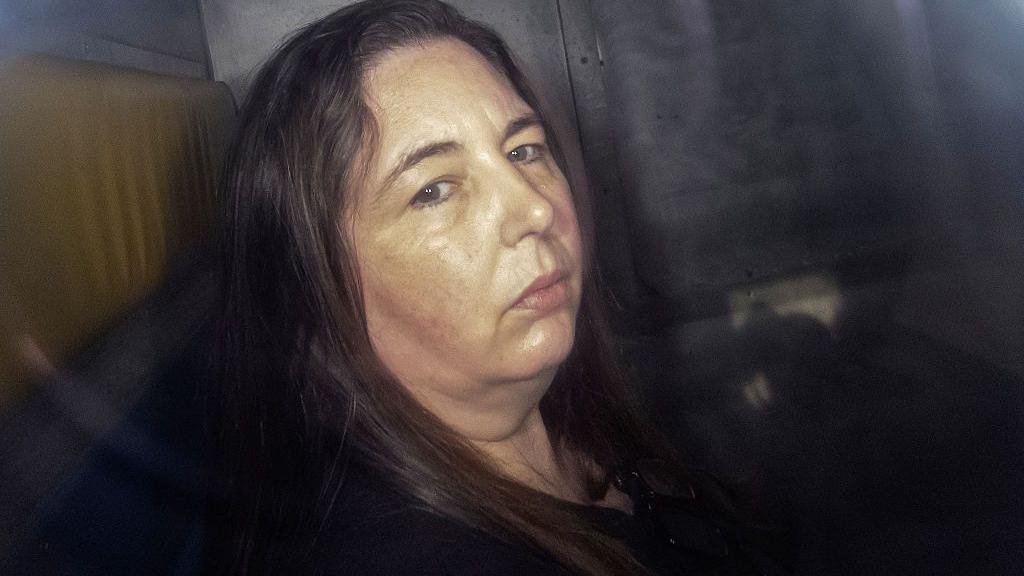
In July 2023, a chilling mushroom‑laced lunch in Gippsland carved a path of death that sent shock waves through Australia. Three people died and a fourth was badly injured, while Erin Patterson—accused of orchestrating the killings—was arrested and later convicted of murder and attempted murder.
At the same time, the region hosted the nation’s most exciting table‑tennis event, drawing thousands of participants and spectators. The influx left local hotels fully booked, forcing jury members to share a hotel with prosecutors, a key police witness and journalists.
Towns Overwhelmed by Frenzy
From Leongatha to Morwell, streets were saturated with reporters, lawyers and community members. The courthouse was surrounded by a crowded crowd, while the jostling hotel rooms blurred the lines between a sequestered jury and the outside world.
Early Morning Email Revelations
A judge’s chambers email, sent at 08:28 on 7 July, revealed that the lead detective and two prosecutorial solicitors were staying at the same hotel as the jury. The email noted that the jury occupied a separate floor and ate separately in a conference room, and that no interaction between jurors and outside parties had been recorded.
The prosecutor’s reply, two hours later, admitted they were aware of the situation for days and had tried to find alternate accommodation for their staff.
That same afternoon, the journal’s verdict was announced: Patterson was found guilty on all counts.
The ‘Most Critical Week’ of the Trial
The legal team argues that the hotel mix‑up was a “fundamental irregularity” that “fatally undermined” the integrity of the verdicts. The appeal counsel—Richard Edney—wrote that the case deserved a retrial and highlighted a “vacuum of evidence” regarding the potentially disruptive week.
Edney pointed to cases where jurors were dismissed or retrials were ordered following proven contact, noting that no such contact was confirmed in Patterson’s trial. Nonetheless he asserts that even incidental exposure could lead to subconscious influence, especially with a hotel that has windows.
Prosecution’s Response
Brendan Kissane KC, Director of Public Prosecutions, dismissed the claim as unfounded, insisting that the jury remained fully supervised and that the system operated correctly. He emphasised that all parties believed no contact had occurred and that evidence of interference was absent.
Patterson faces seven grounds for appeal, ranging from evidential rulings to alleged procedural unfairness. The courtroom’s preservation of impartiality—both in action and perception—remains a key debate as judges deliberate.
The outcome of the appeal will not only affect Patterson’s future but also set precedent for how logistical oversights can impact criminal proceedings in Australia.