In the quiet town of Leongatha, Victoria, the name “Erin Patterson” found itself at the centre of a national scandal. In 2023 she is accused of poisoning a group of friends with mushroom‑laden food, killing three and severely injuring another. The case stabbed deep into Australia’s conscience and turned a sleepy region into a media spotlight.
The turmoil tangled coincidentally with an annual table‑tennis championship that drew hundreds of players and supporters into Gippsland. Local hotels were pressed to accommodate the sudden influx. At the same time, on court in Morwell, the judge had ordered a jury to be fully sequestered for the duration of the trial on security grounds.
However, the hotel that would house the jury also accommodated the lead detective and two prosecutors, as well as several journalists and law‑enforcement officers. The jury’s own keeper later confirmed that the jurors used a separate floor and ate meals in a conference room, but the common lobby and other shared areas were not checked. Justice Christopher Beale recorded a lament that the accommodation shortage was “obviously undesirable” but accepted the arrangement.
An email sent on 7 July from the judge’s chambers highlighted the mix‑up: the jurors, prosecution staff and other persons shared the same hotel room for a night. Two hours later the prosecution lawyer admitted they knew of the overlap, and the prosecutor later claimed to have prevented “incidental contact”. The email also noted that the jury had reached verdicts the same afternoon, convicting Patterson on all counts.
Patterson’s counsel, Richard Edney, has now seized the moment in Victoria’s Court of Appeal, arguing that the hotel overlap was a “fundamental irregularity” that fatally undermined the trial’s integrity. He says the perception of interaction alone—whether a juror glimpsed a detective across a hallway—could have swayed the verdict subconsciously.
The prosecution counters that the system worked as intended and that all parties were supervised. They point to the absence of evidence of any direct communication, citing other cases where proof of contact prompted retrials. Patterson’s appeal now rests on whether the mere possibility of contact was enough to call into question the appeal proceedings themselves.
Images:
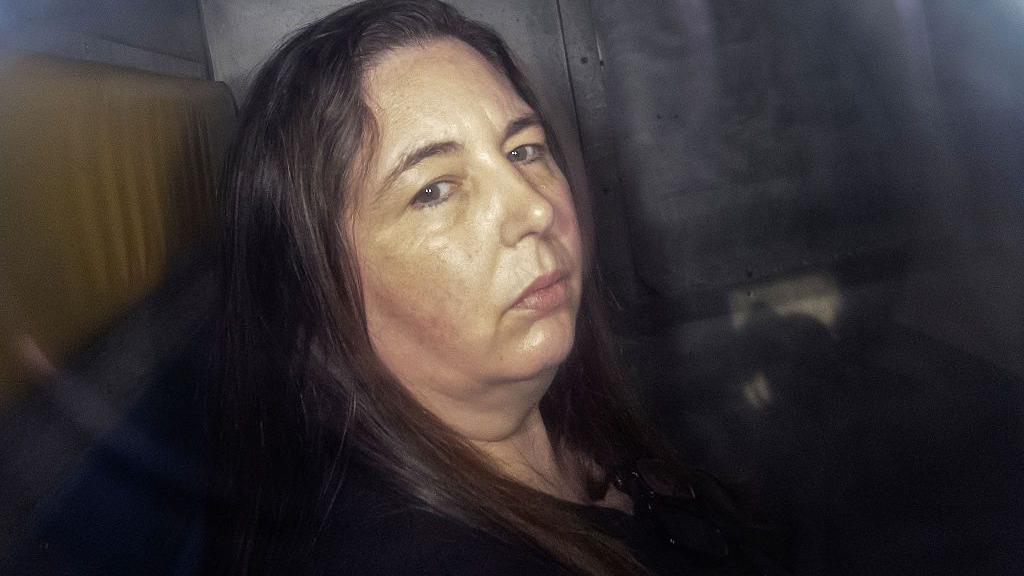
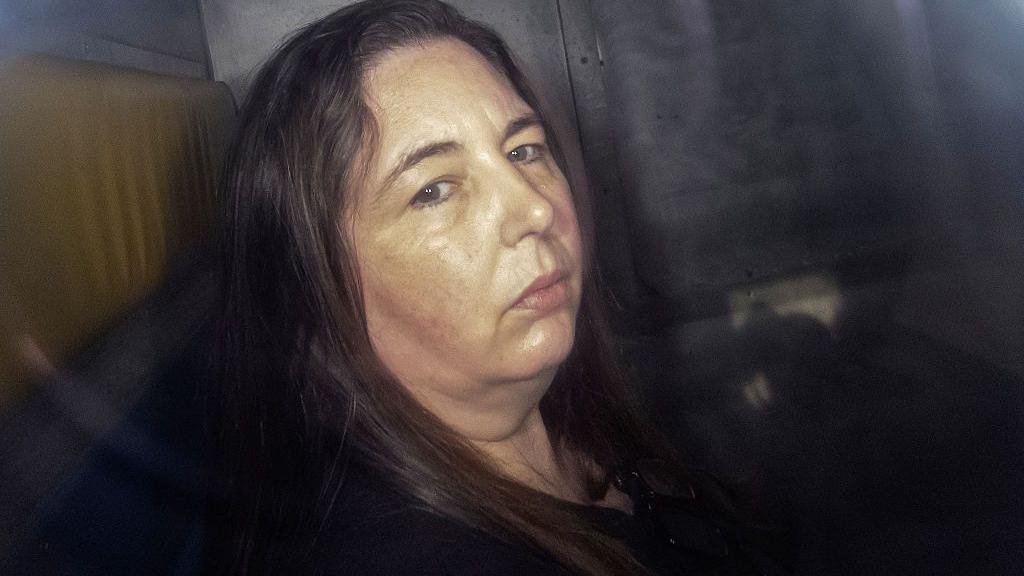
Picture of Erin Patterson looking at the camera in a prison van, AFP via Getty Images