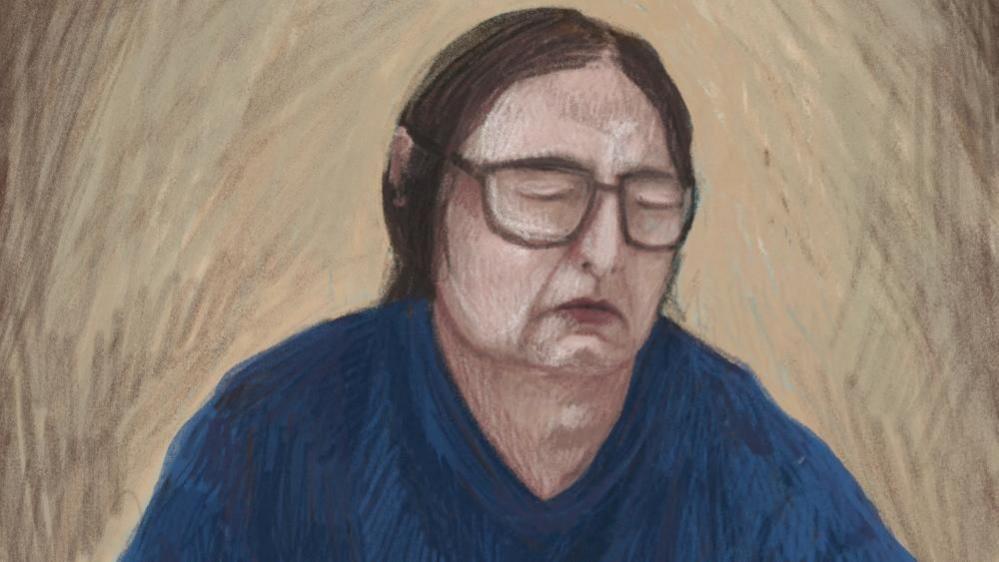
In brief
In August the Victorian Court of Appeal ruled that Erin Patterson, convicted of poisoning her family with death‑cap mushrooms, must remain imprisoned for life. Prosecutors had opposed a parole‑eligible sentence and argued that the 33‑year minimum fell far short of the crime’s magnitude. Patterson’s lawyers appeal both the conviction and the sentencing, hoping to reduce her detention or overturn the case. The court will decide on both issues in the coming weeks as the case continues to capture public attention.
In a pivotal Victorian Court of Appeal hearing on 19 August, prosecutors argued that Erin Patterson’s 2023 poisoning of her family with death‑cap mushrooms was “truly dreadful” and demanded that she remain in prison for life. The court agreed, denying her eligibility for parole and setting a minimum term of 33 years.
Patterson was convicted of killing three relatives – Don and Gail Patterson, both aged 70, and Gail’s sister Heather Wilkinson, 66 – by serving them a beef Wellington that contained toxic mushrooms. The only guest who survived the attack, Heather’s husband Ian Wilkinson, remains seriously ill. Prosecutors described the attack as a betrayal of trust, noting that Patterson had orchestrated the plan for months, luring the victims to a family lunch before feeding them the poisoned dish.
The 51‑year‑old claimed to have been diagnosed with cancer and used this lie to coax the guests into eating the meal, even after they were on life support. She denied using or foraging mushrooms during the investigation, instead offering false explanations to police and health workers.
Justice Christopher Beale had previously set a 30‑year minimum in sentencing but justified a longer period by noting Patterson’s harsh prison conditions and the likelihood of solitary confinement. Prosecutors countered that conditions would improve over time, but the court insisted the 33‑year minimum was “manifestly inadequate” for the gravity of the crime.
Patterson’s lawyers are appealing both her convictions and the sentencing, claiming procedural errors and speculative evidence created a miscarriage of justice. The court will reserve its decision and is expected to release a ruling in the coming weeks.
Image source: Reuters