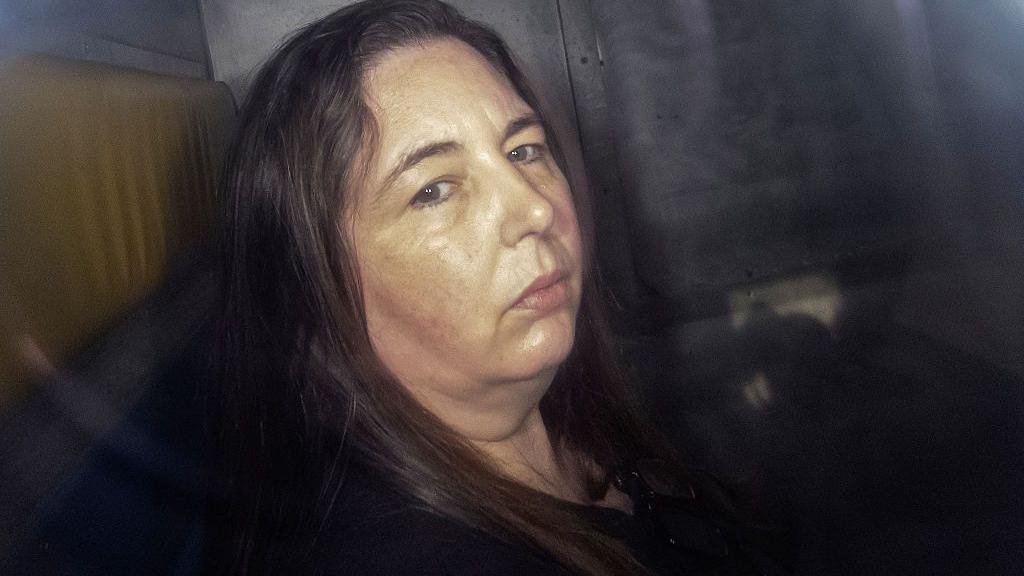
Erin Patterson, an Australian woman aged 35, was sentenced to life imprisonment in 2025 after a shocking court verdict. She was found guilty of murdering three members of her family and attempting to murder a fourth by giving them a meal laced with death cap mushrooms, the most potent and deadly poisonous fungus in the world.
The case, which landed on headlines across the country, has become a chilling reminder of the lethal hazard of misidentifying edible fungi. Patterson’s family claimed that the meal served at a family gathering contained the toxic mushrooms before she was arrested and charged.
After her conviction, Patterson filed an appeal, making two key arguments. First, she insists that the forensic evidence used at trial did not conclusively link the mushrooms to her. She claims that the lab analysis was performed by the wrong facility and that the mushroom identification was prematurely decided. Second, she contends that her counsel was not fully permitted to examine the key evidence during the criminal trial, a breach of her right to a fair defence.
The appeal is scheduled for a hearing this week, where Patterson’s legal team will submit fresh evidence and challenge the original courtroom proceedings. If successful, it could lead to a new trial, a potential reversal of the verdict, or a reduced sentence. The outcome will likely set a precedent for how forensic science and trial procedure are applied in future criminal cases.
BBC correspondent Katy Watson provides context and updated commentary on the case, explaining why this appeal has sparked significant public debate over forensic science and judicial fairness in Australia. Her reporting highlights that the case is not just a legal drama but a deeper conversation about how the justice system handles high-profile, evidence‑intense cases in the digital age.