Jury Faces Five Verdict Options in Lindsay Clancy Murder Trial
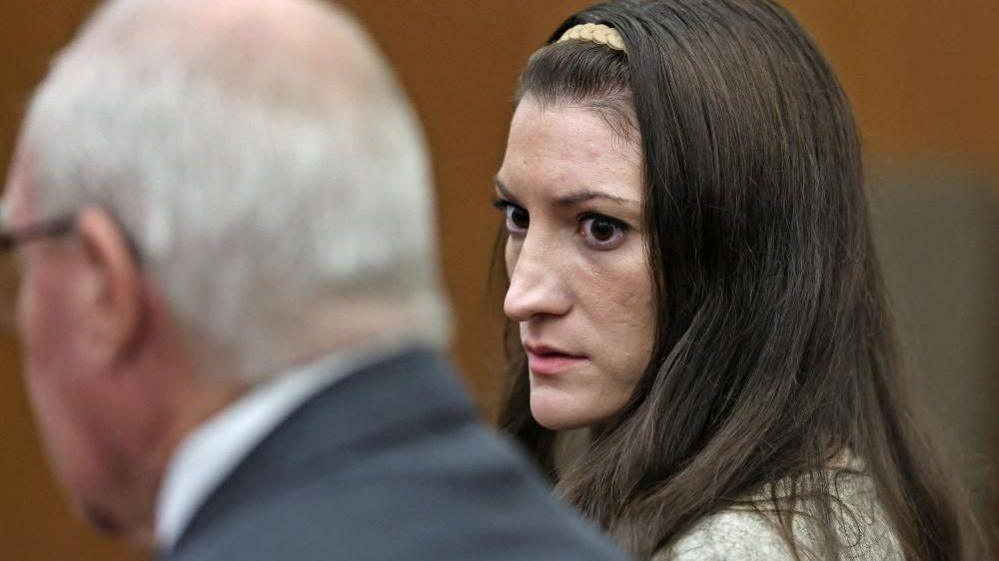
The shooting‑catastrophe that left three children dead in a Massachusetts home has stunned the nation and put a nine‑woman, three‑man jury in a tight spot. The court has now pinned down five different verdicts that could seal the fate of Lindsay Clancy, the former nurse charged with killing her sons and daughter later in 2023.
Here’s what each option means:
- Not guilty: The jury must accept that the defendant had no criminal intent, a result that is considered unlikely by legal experts.
- Not guilty by reason of insanity: The defense would argue that a psychiatric condition prevented Clancy from understanding her actions. A verdict here sends her to a mental health facility instead of prison.
- First‑degree murder: This is the most severe penalty, applying for pre‑planned, intentional killings. Massachusetts law equates this with a mandatory life sentence without parole.
- Second‑degree murder: A lesser charge for unlawful killings carried out with malice or extreme recklessness but without clear pre‑meditation. The maximum penalty is life with the possibility of parole.
- Manslaughter: Defined as an unintentionally caused death, this option caps the maximum sentence at twenty years per count, and the jury would need to accept that the killings were neither planned nor deliberately caused.
Post‑partum psychosis—characterized by hallucinations and commanding voices—forms the centerpiece of the defence’s strategy. The prosecution, however, insists that Clancy’s actions met the legal threshold for criminal responsibility, arguing that she either did not hallucinate at all or that she could still recognise right from wrong.
The decision made by the jury will not only affect Clancy’s own future but will also echo across the nation’s ongoing debate about mental illness and criminal accountability. The court, therefore, looks for a verdict that reflects both the facts of the case and the legal framework surrounding intent and mens rea.