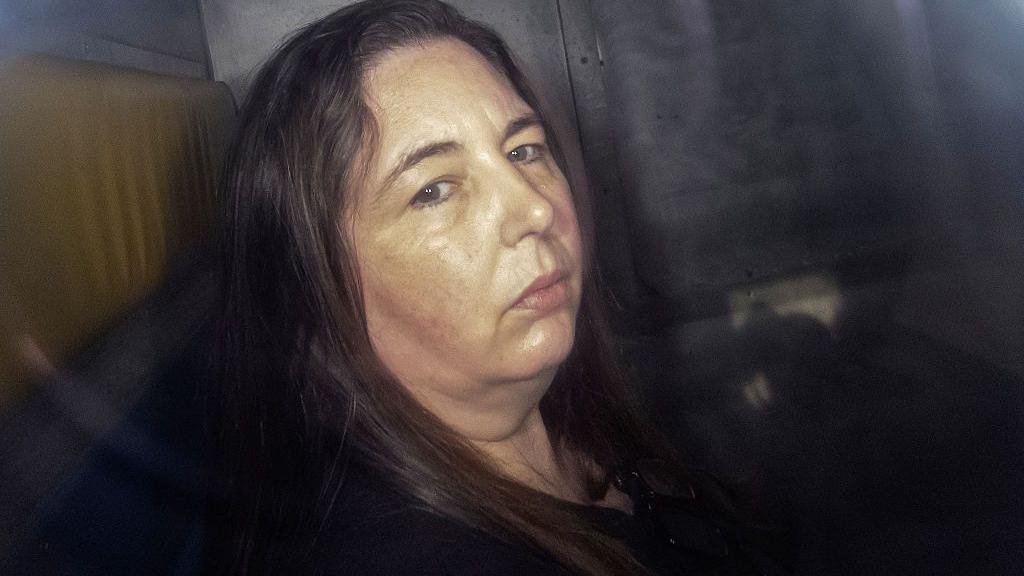
Erin Patterson’s Appeal: The Mushroom Murder Case Re‑takes the Spotlight
Following a sensational 2023 trial that saw Victorian woman Erin Patterson jailed for life after she fed her in‑laws and a cousin a fatal dose of death‑cap mushrooms, the convict is now on the road to appeal. The proceedings will be heard by three judges on Thursday, and Prosecutors are simultaneously seeking to extend her parole period.

What the Appeal Sees
The defence has lodged a seven‑ground appeal. Key arguments include:
- Evidence overexposed to the jury, such as phone‑tracking data that placed her in areas where death‑cap mushrooms had been found.
- Facebook messages that the court allowed, which were deemed irrelevant and meant to shock rather than inform.
- Excluded photos from Patterson’s long‑time mushroom‑foraging hobby that might have illustrated that the poison was an accident.
- Inconsistency in the prosecutor’s case regarding motive, swinging from “no motive” to an implications of intent.
- Criticisms of cross‑examination timing, claimed as “unfair and oppressive.”
- Severe irregularities in jury accommodations, where a hotel floor was allegedly shared with prosecution witnesses, a media outlet and a police officer – a setup that potentially breached neutrality.
Prosecution’s Counter‑Appeal
The Department of Public Prosecutions wants the sentence modified. Justice Christopher Beale had previously set a parole date after 33 years, citing “harsh prison conditions” and solitary confinement. The DPP argues that the sentence should not allow release and instead be a strict life term without parole.
Possible Outcomes
If the Court of Appeal overturns Patterson’s conviction, options include a retrial or outright acquittal. If the prosecution’s appeal passes, Erin Patterson’s parole could be pushed beyond 33 years, or she could face life without any possibility of release. The court’s decision, however, could take several months after the hearing.
The case remains a stark reminder of how public interest, evidence management and courtroom dynamics can influence outcomes in criminal matters, and it continues to fuel debate both in Australia and abroad.