In brief
Chiang Mai's air quality crisis is prompting families to consider relocation due to health fears, particularly for children experiencing nosebleeds and respiratory problems. Recent data indicates that the city is among the most polluted in the world, primarily due to seasonal forest fires and poor air quality. Activists are demanding government action as living conditions become increasingly hazardous, forcing some families to temporarily move to areas with better air quality.
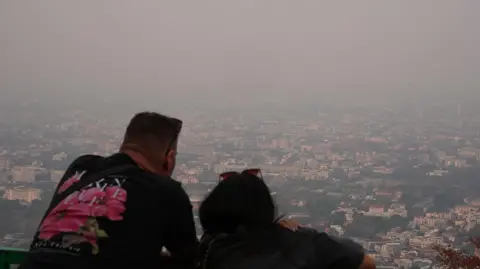
Tirayut Wongsantisuk and his wife moved to Chiang Mai in the 2010s, drawn by the hilly region's cool air and lush greenery. But worsening air quality in the Thai city, especially during this time of the year, have prompted them to consider relocating for the sake of their children. Two of their daughters have experienced frequent nosebleeds. I've been thinking, maybe we really should move during this time... because if something bad happens to our child, we'll feel terrible forever, Tirayut, 41, told the BBC.Smoke from raging fires have choked parts of northern Thailand this past week, with Chiang Mai ranking among the world's most polluted cities, according to monitoring group IQAir. A thick blanket of haze hovered over the horizon when BBC Thai visited Tirayut and other families in Chiang Mai, covering what once were mountainous views. There was a persistent burning smell in the air.Satellite data showed a record number of 4,750 hotspots across Thailand on Tuesday, mostly in forested areas. As of Wednesday morning, Chiang Mai's PM2.5 level, which refers to the concentration of tiny, hazardous particles smaller than 2.5 micrometres, was classified as very unhealthy. The months of November to March mark peak fire season in the region as farmers burn off fields before new seeds are sown, compounded by natural wildfires due to dry conditions.Photographs on local media show mountains engulfed by flames, with some residents likening the blazes to volcanoes erupting, according to local news outlet Khaosod. Authorities ordered the closure of parks with high fire risk and warned that anyone found entering those areas to start fires would be arrested immediately. In Thailand, those convicted of illegal forest burning face severe penalties.Exposure to haze can cause various health issues, from itchy eyes and nosebleeds to heart attacks. Tirayut's oldest daughter, six, experienced nosebleeds, rashes, and swelling in her eyes due to an allergic reaction. Another resident, Benjamas Jaiparkan, sent her children to stay in neighboring Phayao province because of the poor air quality but is contemplating a permanent move. Over the years, residents have increasingly pushed for government action against pollution, leading to legal challenges and demands for urgent measures to improve air quality.