In brief
The closure of the Strait of Hormuz due to the conflict involving Iran has led to an escalating energy crisis in Asia, vital for oil and gas shipments. With prices soaring and availability dwindling, countries across the region are struggling, prompting government interventions and affecting daily lives profoundly, especially for those in transport and agriculture.
The effective closure of the Strait of Hormuz after the US and Israel began their war with Iran in late February has sent shockwaves across the globe. Oil prices have skyrocketed, and stock markets are experiencing turbulence as countries await the reopening of this critical waterway, through which around 20% of the world’s oil passes.
Currently, only a small number of ships can navigate the strait daily, while attacks on energy infrastructure exacerbate the situation, driving prices even higher. Asia, dependent on nearly 90% of the oil and gas that pass through the strait, is bearing the brunt of these disruptions.
In response, numerous governments have mandated remote work and cut working weeks, declared national holidays, and closed educational institutions to preserve fuel supplies. For instance, even China is feeling the pressure, as it limits fuel price hikes amidst a 20% rise in costs for citizens.
Countries like the Philippines have gone so far as to declare national emergencies, with jeepney drivers suffering significant wage drops as transport services falter under rising prices. In Thailand, energy-saving measures have led news presenters to discard their suits on air, promoting energy conservation amid government directives to reduce usage.
Sri Lanka, which recently escaped a financial crisis, now finds itself with money but a lack of fuel, leading to rationing measures. Similarly, Myanmar's military government has initiated a policy restricting private vehicle use to alternate days to conserve fuel.
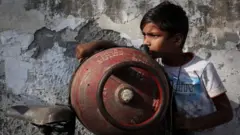
India, heavily impacted by the strait’s closure, is grappling with gas shortages affecting both residential and industrial sectors, causing businesses to shut their doors. As the war continues, the everyday lives of millions in Asia are increasingly strained.