Violent clashes between anti-government protesters and security forces erupted across several locations in Iran on Wednesday, marking the 11th day of civil unrest ignited by the nation's dire economic crisis.
According to Iran's semi-official Fars news agency, linked to the Revolutionary Guards, two police officers were shot and killed in the southwestern town of Lordegan by armed individuals amid the protests.
Social media footage depicts a tense standoff, with gunfire ringing out as security forces confront protesters. Additional videos show security personnel deploying tear gas and firearms against crowds from which stones are being thrown.
The protests have reportedly spread to 111 cities and towns across Iran's 31 provinces, as reported by the US-based Human Rights Activist News Agency (HRANA). The agency indicated that at least 34 protesters and four security personnel have been killed during the unrest, while roughly 2,200 protesters have been arrested.
Confirmed fatalities include 21 named by BBC Persian, with Iranian authorities acknowledging five security deaths. The demonstrations began on December 28, sparked by anger over the steep decline in the value of the Iranian rial, which has hit a record low, and soaring inflation at 40% driven by sanctions related to Iran's nuclear program, compounded by government mismanagement.
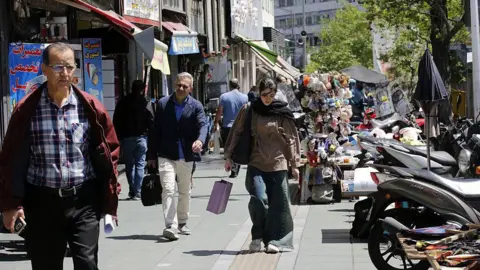
Initially ignited by shopkeepers in Tehran, the movement quickly gained traction among university students and spread nationwide. Protesters have been heard chanting slogans against Supreme Leader Ayatollah Ali Khamenei, with some expressing support for Reza Pahlavi, the exiled heir to Iran's former monarchy.
Recent verified footage shows demonstrations across various cities including Qazvin, Bandar Abbas, and Mashhad, characterized by chants demanding an end to the current regime. In Abadan, protesters vocally rejected the clerical leadership.
As clashes became more violent, Vice-President Mohammad Jafar Qaempanah reassured that security measures would not target peaceful protesters, differentiating between genuine protesters and those labeled as rioters. Simultaneously, judiciary processes for 'rioters' are set to expedite punishments to deter future unrest.
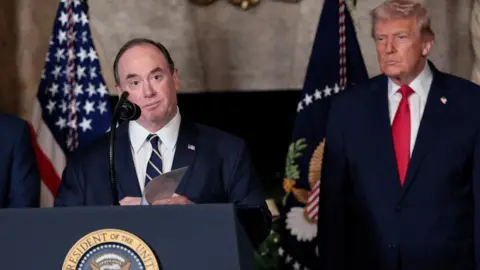
Khamenei had previously urged engagement with protesters while stressing that violent rioters should be dealt with accordingly amidst increasing international tensions, including warnings from former US President Trump regarding potential intervention if security forces harmed peaceful demonstrators.
With frustrations mounting over Iran's deteriorating economic landscape and political repression, experts warn of the potential escalation of violence if protests continue to grow.
"