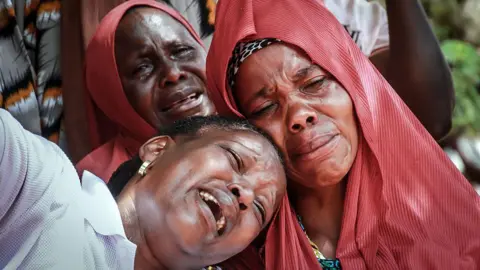
The year 2025 marks a chaotic chapter for democracy in Africa, characterized by protests, military coups, and contentious elections. Recent events in Tanzania, where protests turned deadly amidst claims of a rigged election, exemplify the growing tensions across the continent. With opposition candidates banished or imprisoned, President Samia Suluhu Hassan won with an overwhelming majority, raising concerns about the regression of democratic norms.
Various nations, including Cameroon and Mali, have experienced severe unrest linked to governance failures. Mo Ibrahim from the Mo Ibrahim Foundation has noted troubling trends, including the increase in coups and a general closing of democratic space. A recent report indicates governance progress has stagnated, further exacerbated by economic pressures such as rising living costs.
Amidst this turmoil, positive events have emerged, with peaceful elections in areas like Malawi and Seychelles. Nevertheless, the consolidation of military power in the Sahel and volatile protests in Cameroon and Tanzania indicate a deeper divide between citizens and their governments. As the continent's youth become increasingly assertive, they demand accountability and better service delivery.
With key elections on the horizon, including Uganda's upcoming vote, the pressures from a discontented populace may reshape political landscapes. Historical patterns suggest government responsiveness is crucial; those that adapt may find longevity in power, while stagnation could lead to upheaval. Africa stands at a crossroad, with the direction of its democratic future hanging in the balance.