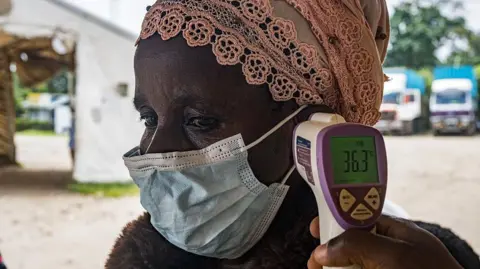
An Ebola outbreak in the Democratic Republic of Congo has been declared a public health emergency of international concern by the World Health Organization (WHO). The outbreak poses significant challenges, particularly as it involves a rare strain for which no vaccine exists, and it is occurring in a conflict-ridden area.
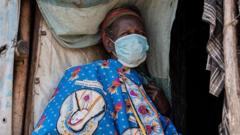
Ebola is a deadly disease caused by a virus that typically infects animals, such as fruit bats. Human outbreaks often commence when people interact with infected animals. Symptoms of Ebola appear within two to 21 days and initially resemble the flu, with fever, headache, and fatigue. As the disease progresses, individuals may experience vomiting, diarrhea, and organ failure, with some suffering internal and external bleeding.
This outbreak is caused by the Bundibugyo species of Ebola, which has not been seen for over a decade. Historical data suggests it has a fatality rate of approximately 33%. Complicating matters, the initial Ebola blood tests were negative due to conventional tests targeting more common strains, and there are currently no approved medications or vaccines for Bundibugyo.
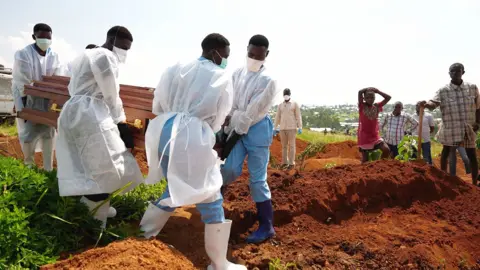
The outbreak traces its origins to a nurse in April who died in Bunia, with the virus spreading rapidly, partly due to funeral customs that exposed many attendees. The WHO's declaration implies increased monitoring but does not indicate an imminent pandemic level outside of East Africa.
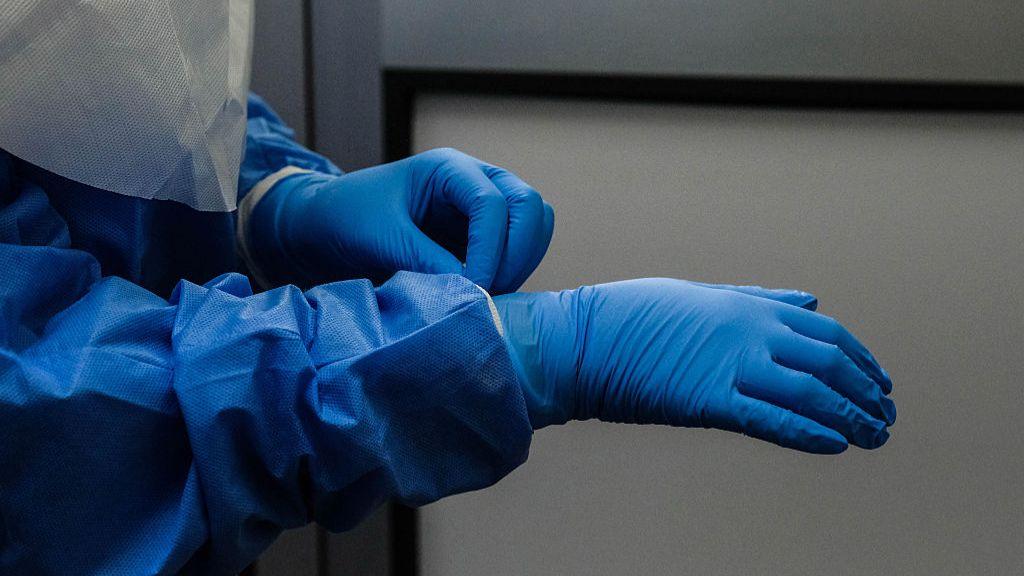
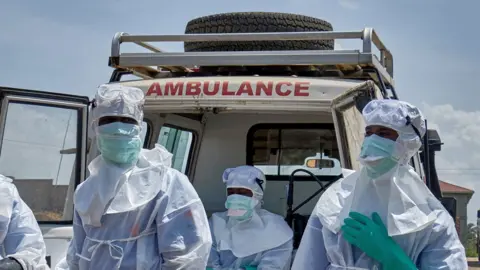
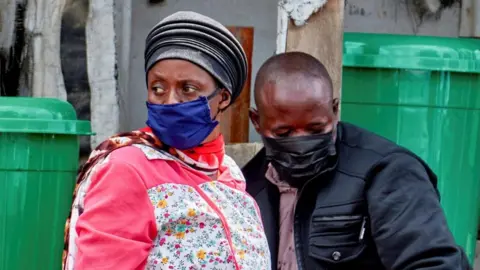
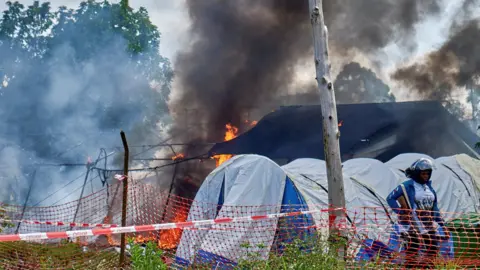
Health organizations, including the WHO and Médecins Sans Frontières (MSF), are mobilizing to address the outbreak by setting up treatment centers and implementing health education measures. Local residents have been advised to report symptoms promptly, avoid contact with the deceased, and maintain hygiene practices.
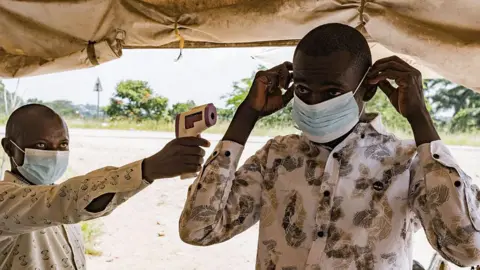
Rebels controlling parts of Goma have also begun to formulate their response strategies, indicating the complexity of managing healthcare amid ongoing conflict. Meanwhile, neighboring countries are strengthening border screenings to prevent potential spread.