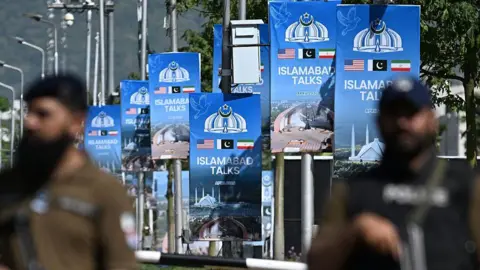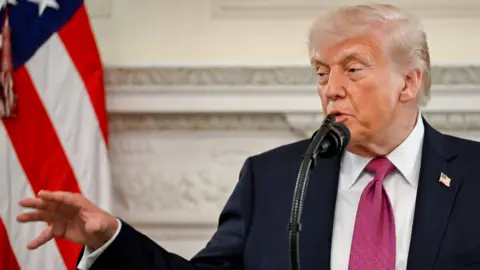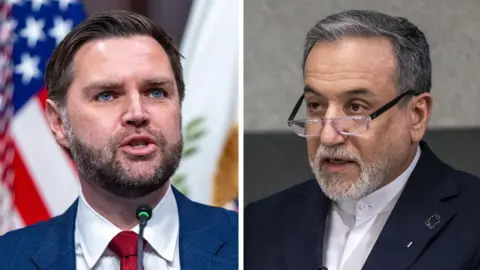
The venue is ready, the guards are in place, and the curb along the approach road has received a fresh coat of yellow and black paint. Islamabad awaits. As hosts of vital US-Iranian talks, Pakistani government officials are optimistic, emphasizing their trust with both sides. US Vice President JD Vance, leading the US delegation, expressed a cautious optimism, stating, If the Iranians are willing to negotiate in good faith, we're certainly willing to extend the open hand. However, he warned, If they're going to try to play us, then they're going to find the negotiating team is not that receptive.
As the talks commence, five significant sticking points are emerging:
1. **Nuclear Issues**: The most contentious topic remains Iran's nuclear capabilities, with both sides holding starkly opposing views on uranium enrichment.
2. **Sanctions Relief**: Iran demands the lifting of crippling international sanctions, including the release of $120 billion of its frozen assets, complicating negotiations.
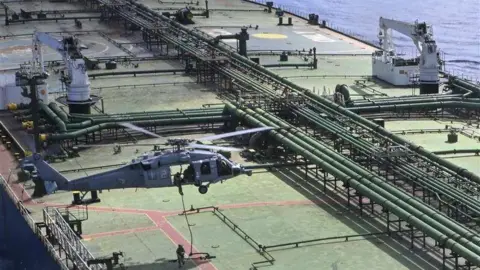
3. **Strait of Hormuz**: The crucial shipping passage has seen reduced vessel traffic, with accusations from US officials regarding Iran's control over the waterway.
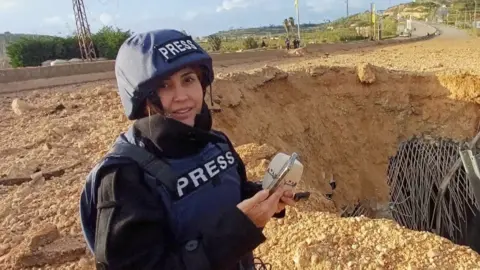
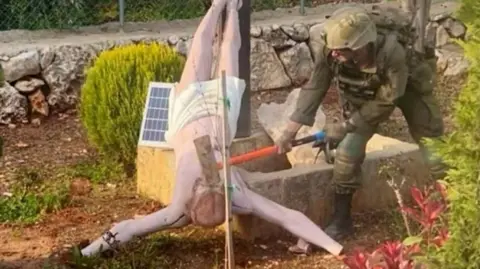
4. **Regional Allies and Proxies**: Iran's ties with groups such as Hezbollah create additional tensions, particularly concerning Israel's ongoing military actions in Lebanon.
5. **Iran’s Foreign Policy**: Iran's insistence on maintaining support for its allies against US and Israeli actions presents a fundamental challenge to diplomatic progress.
As the situation unfolds, the path to a successful negotiation remains fraught with challenges, raising questions about the feasibility of reaching an agreement.
As the talks commence, five significant sticking points are emerging:
1. **Nuclear Issues**: The most contentious topic remains Iran's nuclear capabilities, with both sides holding starkly opposing views on uranium enrichment.
2. **Sanctions Relief**: Iran demands the lifting of crippling international sanctions, including the release of $120 billion of its frozen assets, complicating negotiations.
3. **Strait of Hormuz**: The crucial shipping passage has seen reduced vessel traffic, with accusations from US officials regarding Iran's control over the waterway.
4. **Regional Allies and Proxies**: Iran's ties with groups such as Hezbollah create additional tensions, particularly concerning Israel's ongoing military actions in Lebanon.
5. **Iran’s Foreign Policy**: Iran's insistence on maintaining support for its allies against US and Israeli actions presents a fundamental challenge to diplomatic progress.
As the situation unfolds, the path to a successful negotiation remains fraught with challenges, raising questions about the feasibility of reaching an agreement.