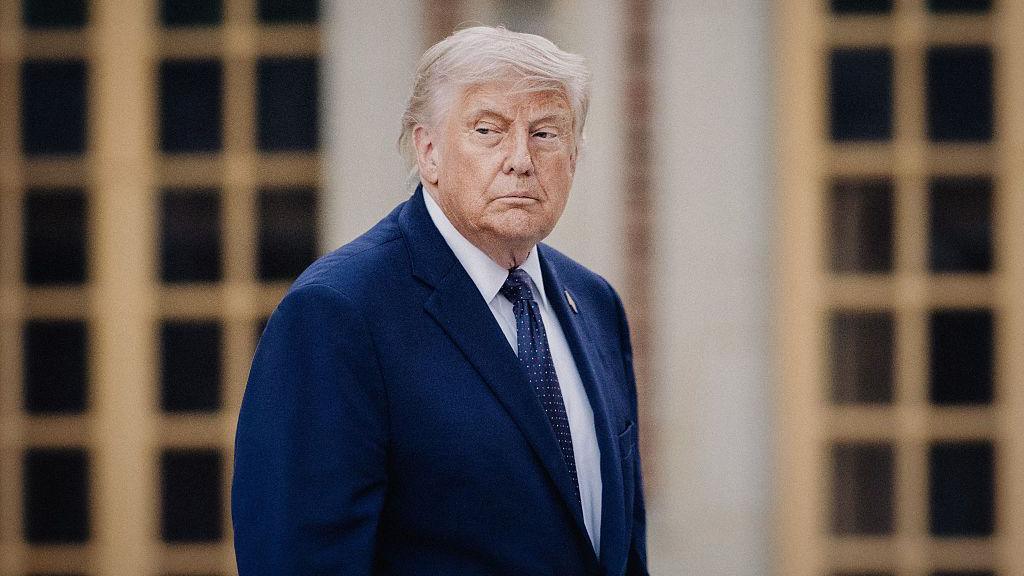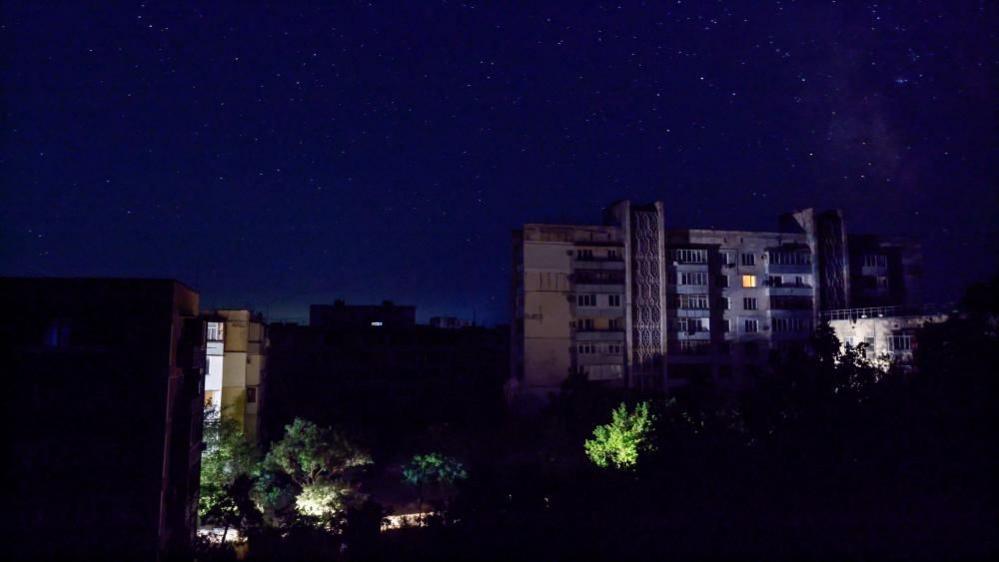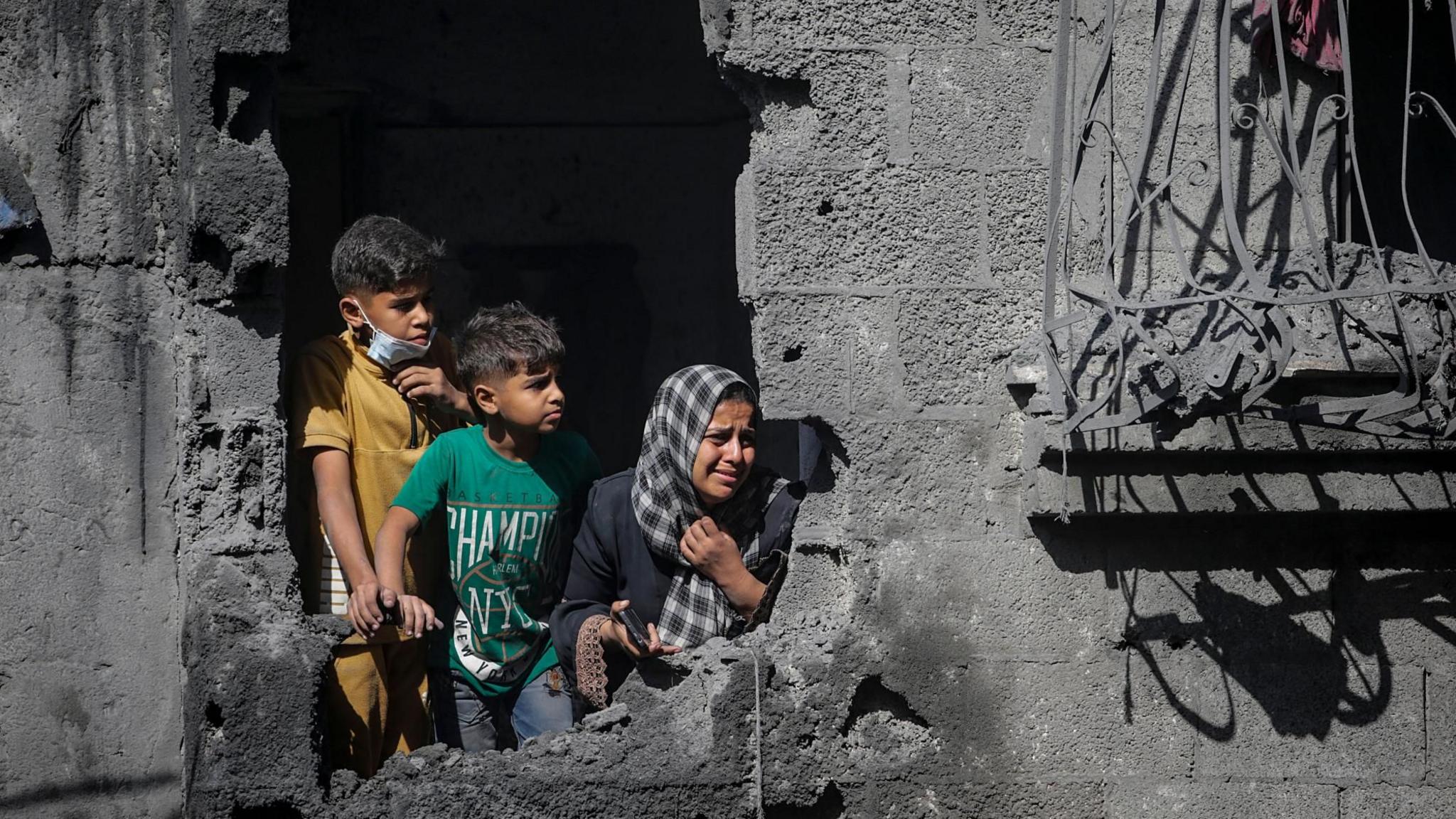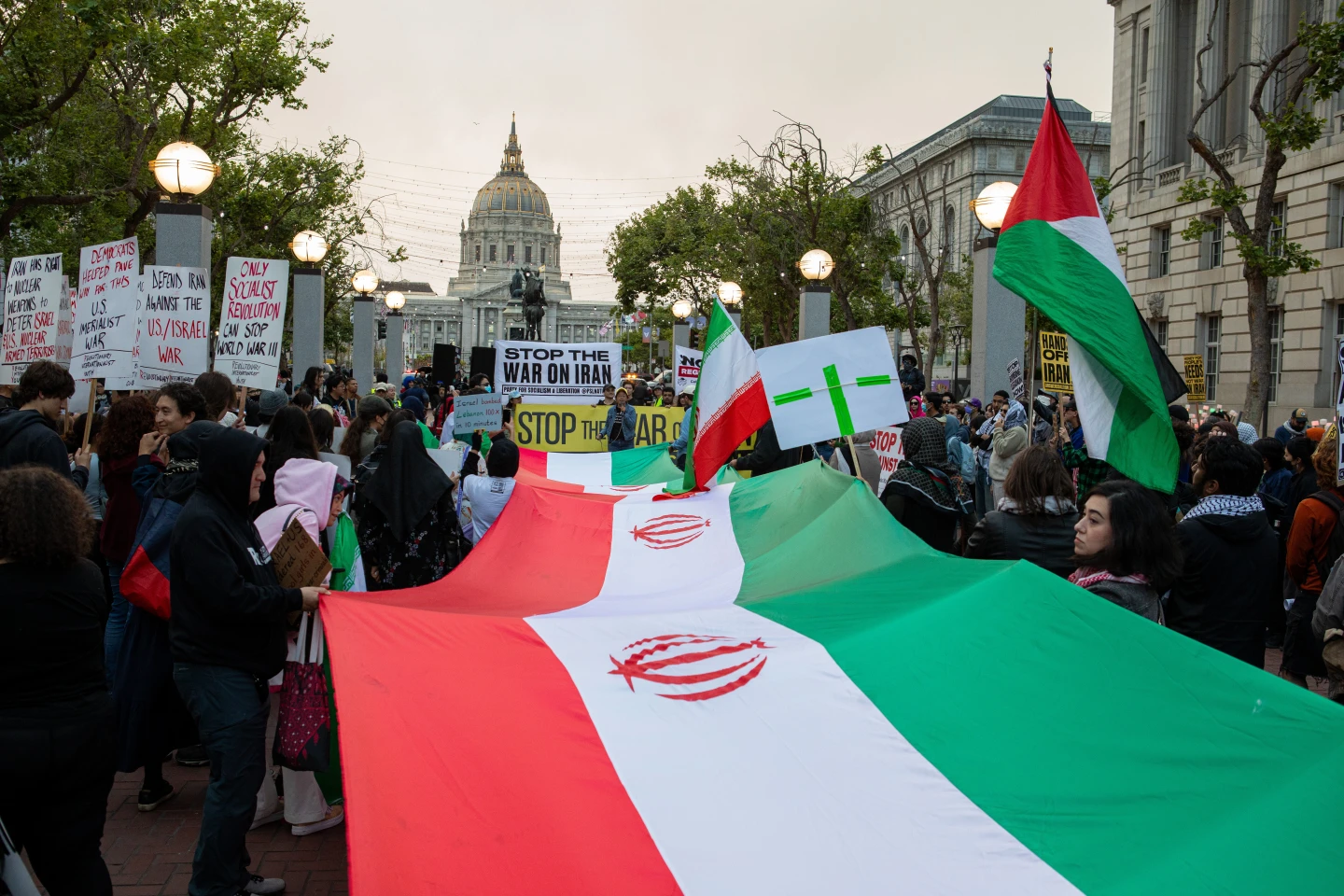
Driving home from work, Zainab Haider reflects on the dire ultimatum laid out by President Trump regarding Iran. Her thoughts are filled with anxiety, fearing for the wellbeing of her relatives in Iran amidst escalating tensions.
As she navigates through her evening routine with her children, a collective worry looms over the Iranian-American community, a sentiment felt deeply as Trump threatens military action. It’s a huge country, Haider expresses. He cannot simply wipe it out, but the damage could affect millions.
Haider joined a protest in Austin, Texas, calling for an end to potential conflict, demonstrating a vehemence shared by many Iranians across the U.S. who are anxious about the possible ramifications of war on their families—especially those still living in Iran, where communications have been severely restricted due to an internet blackout.
Among those affected is Sheila Amir, who has been unable to reach her relatives amid this crucial situation. Fear grips her not just for her family in Iran but also for her family members serving in the military.
This deep-seated concern echoes through the sentiments of Roya Rastegar, who, despite acknowledging the oppressive regime in Iran, grapples with the moral complexities posed by a potential military response from the U.S.
“It’s nauseating to think about my people stuck between a regime that’s still killing them and an administration making threats,” Rastegar comments. Many in her circle are left questioning how to prepare their children for the unpredictability that looms.
The protests serve not only as a concerted effort against the war but also as a crucial outlet for Iranian-Americans struggling with their toppling emotions while trying to maintain hope for peace.