In brief
Experts reported that several undersea cables in the Red Sea were likely severed due to commercial shipping activity, leading to significant internet outages in numerous nations across Africa, Asia, and the Middle East. The incident underscores the fragility of internet connectivity through submarine cables, especially in regions with high shipping traffic.
DUBAI, United Arab Emirates (RTW News) — Experts have indicated that a commercial shipping vessel likely caused the cutting of undersea cables in the Red Sea, resulting in internet access disruptions across Africa, Asia, and the Middle East. This incident reveals the vulnerability of these vital lines of communication.
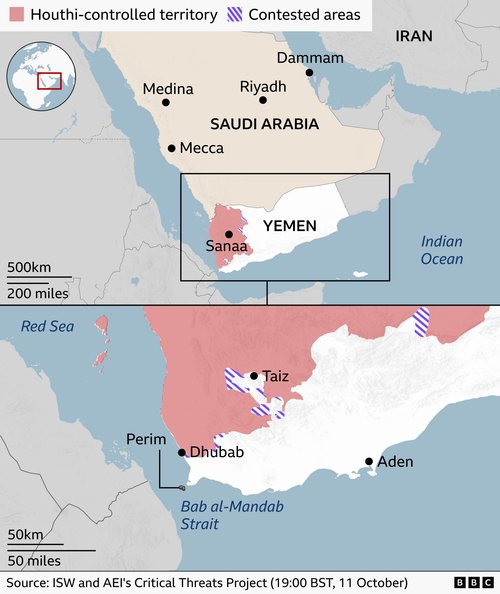
The International Cable Protection Committee has reported that the Bab el-Mandeb Strait, through which 15 submarine cables pass, is critical for connectivity between various regions. Authorities identified the cables affected, including the South East Asia-Middle East-Western Europe 4, India-Middle East-Western Europe, and FALCON GCX, with the list later expanding to include the Europe India Gateway cable, according to Doug Madory, director of internet analysis at Kentik.
The initial belief is that the damage occurred near the coast of Jeddah, Saudi Arabia, though this has yet to be confirmed by authorities. According to analysis from the committee, commercial shipping activity, including dragged anchors, may be responsible for a significant percentage of annual cable damage incidents.
Madory emphasized that the cables’ placement at relatively shallow depths makes them particularly susceptible to disruptions caused by the anchoring of vessels. In total, over ten nations, including India, Pakistan, and the UAE, experienced internet speed issues due to the severed connections, affecting users' ability to access online services efficiently.
Submarine cables play an essential role in global internet infrastructure, and while rerouting traffic after outages can help maintain connectivity, it often leads to increased latency for users. These ongoing challenges underscore the importance of securing undersea cables, particularly amid geopolitical tensions in the region.