In brief
France is bracing for another wave of nationwide protests, with police preparing a massive crackdown after last week’s shock riots. Despite bans on public gatherings, student groups, unions and revived Gilets Jaunes activists plan mass demonstrations across key cities. President Macron has met with student leaders, pledging concessions while warning that any violence will be met with force. Authorities have closed museums, rerouted football matches and boarded up businesses, while legal actions target rioters. The unrest arrives just before a potentially polarising election, heightening tensions between France’s centrist, right, and left factions.
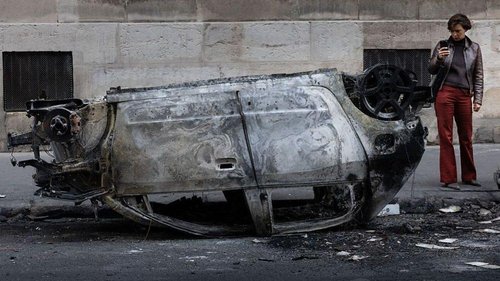
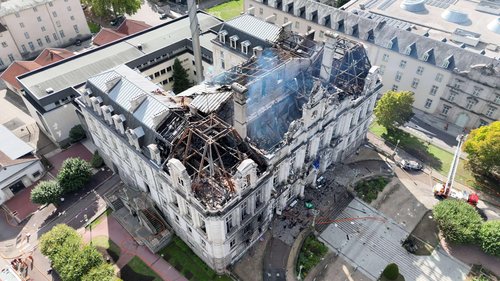
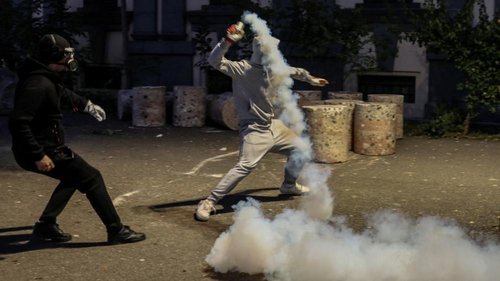
France’s security services have mobilised 70,000 officers in preparation for a wave of demonstrations slated for Saturday, a week after the country suffered the most serious wave of rioting in decades.
While the interior ministry has permitted only union‑organised marches to proceed, lawmakers and police say that attempts by student groups and other anti‑government factions to rally across major cities will continue, with police planning to seal off key sites such as museums and sports venues.
President Emmanuel Macron met with student representatives on Friday, pledging concessions but urging the crowds to keep protesting. The meeting was seen as a final attempt to defuse tensions before the rallies begin.
The protests are expected to be a revival of the Gilets Jaunes movement, which drew support from left and right and churned large, often violent, demonstrations during the first part of Macron’s term.
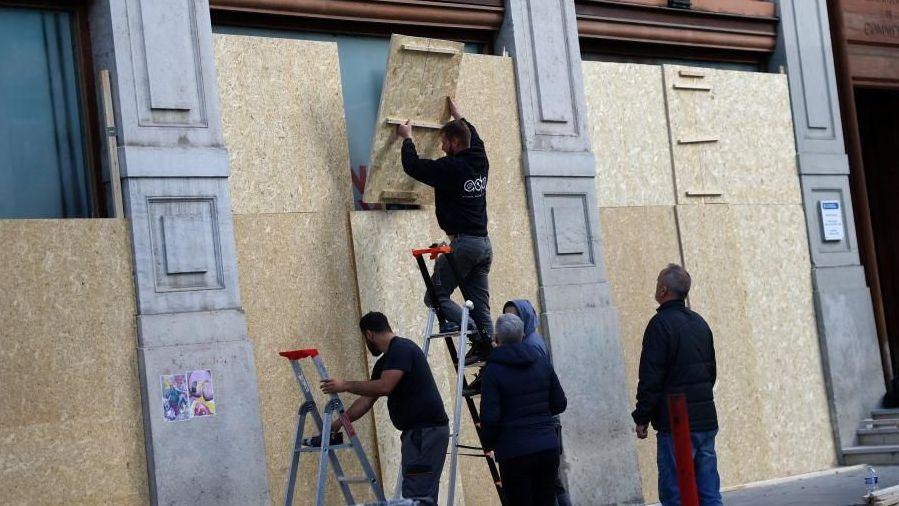
Authorities have ordered the closure of cultural landmarks and relocated a Paris Ligue 1 match to Monday, while several businesses have boarded up storefronts to guard against looting. Several activists have already been jailed on charges of vandalism, arson and organised gang activity.
With public discontent spiking over rising living costs and fears of a future debt crisis, the unrest comes on the eve of what could be the most divisive political season France has seen. Politicians from the hard‑right National Rally and the radical left France Unbowed are already anxious for the upcoming May election, where the centrist bloc could lose the mandate.
If the protests flare into violence like last week, authorities warn that Paris and other cities may see further curfews and may require additional police escorts, especially around a planned National Rally conference in Orléans.