In brief
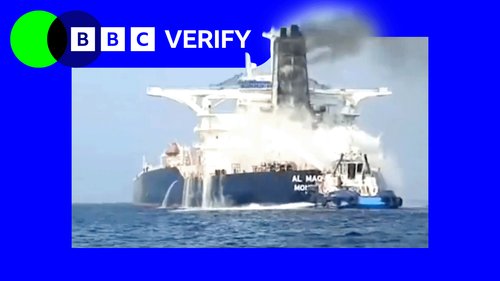
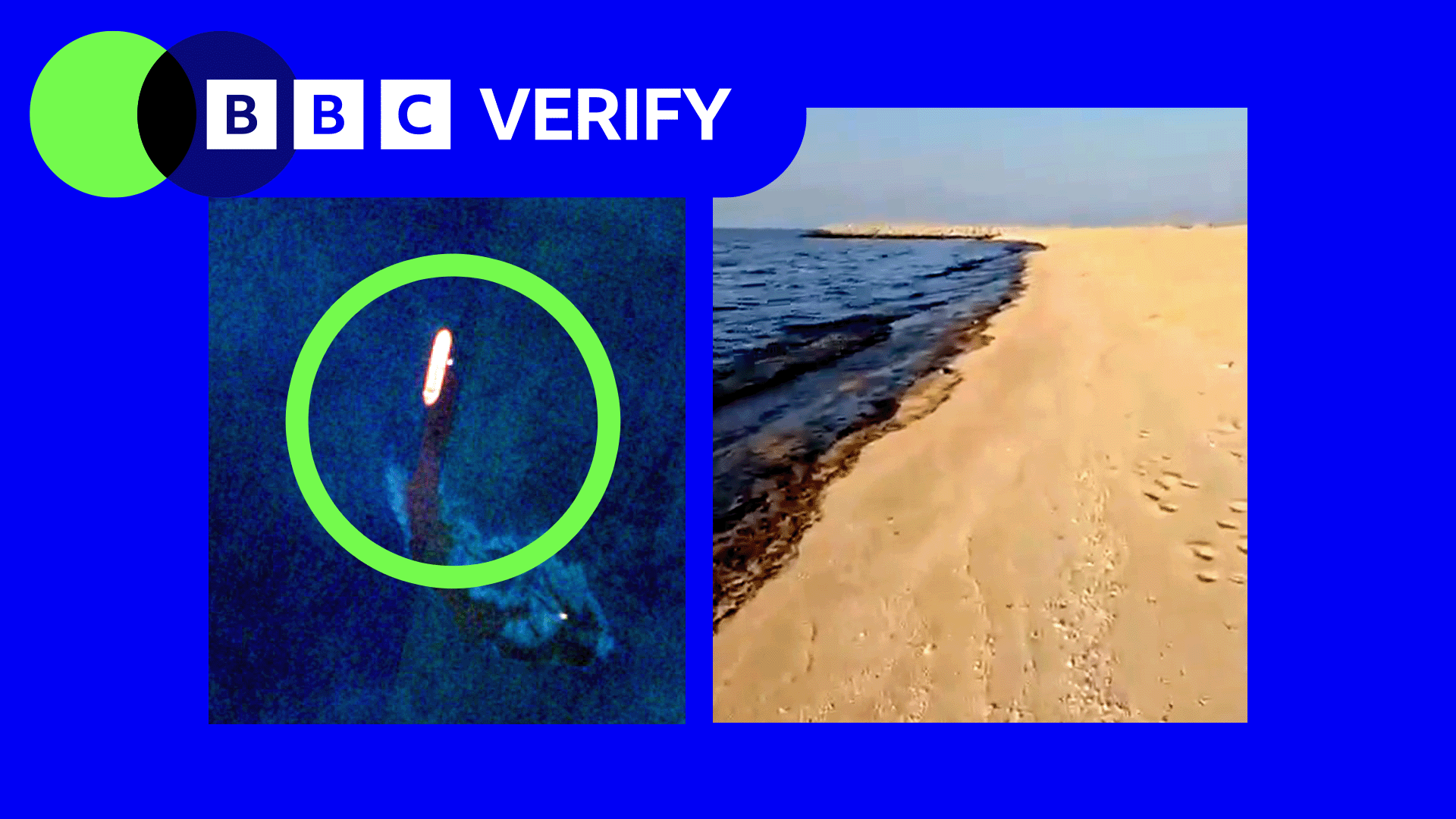
A Panama‑flagged tanker, identified as Gem No.2, was hit by an unknown projectile in early October while navigating the Strait of Hormuz. The collision caused a fire and a slow leak of crude oil, which satellite imagery now shows drifting 35km along the United Arab Emirates coastline. UAE authorities have shut down beaches near Umm Al Quwain and begun containment measures to limit damage to marine life, including endangered turtles and seagrass beds. Environmental scientists warn that the spread toward the Siniyah and Khor Al Beidah islands – a key biodiversity hotspot – could have lasting impacts on local ecosystems. The incident underscores the escalating tension in the region, where shipping lanes are increasingly targeted amid the Iran‑US conflict.
A crude oil tanker has been hit near the Strait of Hormuz, releasing a slick that has drifted 35km along the United Arab Emirates (UAE) coastline. The vessel, identified as Gem No.2, suffered a collision and fire in early October while using an unlicensed route. Satellite images show the oil spreading rapidly from the tanker’s position, coating beaches near the northern city of Umm Al Quwain and turning waters black with blackened wash‑up material.
The UAE Ministry of Climate Change and Environment has opened containment operations to limit the spill’s environmental footprints. Marine scientists warn that the slick threatens to reach the Siniyah and Khor Al Beidah islands, a globally recognised biodiversity zone home to coral reefs, seagrass meadows and the critically endangered Halavi guitarfish. Immediate dangers include trapped turtles, smothered seabirds and damaged fish gills; long‑term effects may stem from toxic oil compounds impeding reproduction. At this stage the full impact remains uncertain, depending on oil volume, evaporation rates and cleanup efficiency.
The incident is the latest in a spate of attacks on commercial vessels in and around the Strait of Hormuz – a hot spot of confrontation between Iran and the United States. Satellite and intelligence analyses in collaboration with MAIAR and Vanguard have confirmed the vessel’s name and the damage timeline, with footage showing the crew evacuating amid thick smoke shortly after the strike.
Beach closures are in place while maritime authorities complete response operations. Local communities are urged to stay away from affected shores and to report additional oil sightings. The incident highlights the fragile nature of Gulf marine ecosystems amid increasing geopolitical turbulence.