In brief
Kenya officially confirmed its second Ebola fatality after a 65‑year‑old woman, a close relative of the first patient, succumbed to the virus while in quarantine. The health ministry counts seven other cases, all linked to the original cluster, but notes that community transmission has not yet been documented. With the disease present in the Democratic Republic of Congo, Kenya has intensified screening at airports and cross‑border points to curb further importation. The outbreak has prompted advisories against travel to Kenya and prompted neighboring countries to stay alert.
Kenya Reports Second Fatal Ebola Case
Kenya’s health ministry said a 65‑year‑old woman died from Ebola on 13 October after being placed in quarantine. She was a close family member of the country’s first fatality, a man who had travelled from the Democratic Republic of Congo (DR Congo) and died in Nairobi on 5 October.
Health officials said seven additional patients are under treatment in two isolation units; all belong to the same transmission cluster and no evidence of community spread has emerged. The patients include relatives of the first case, three health workers, and an on‑site cleaner.
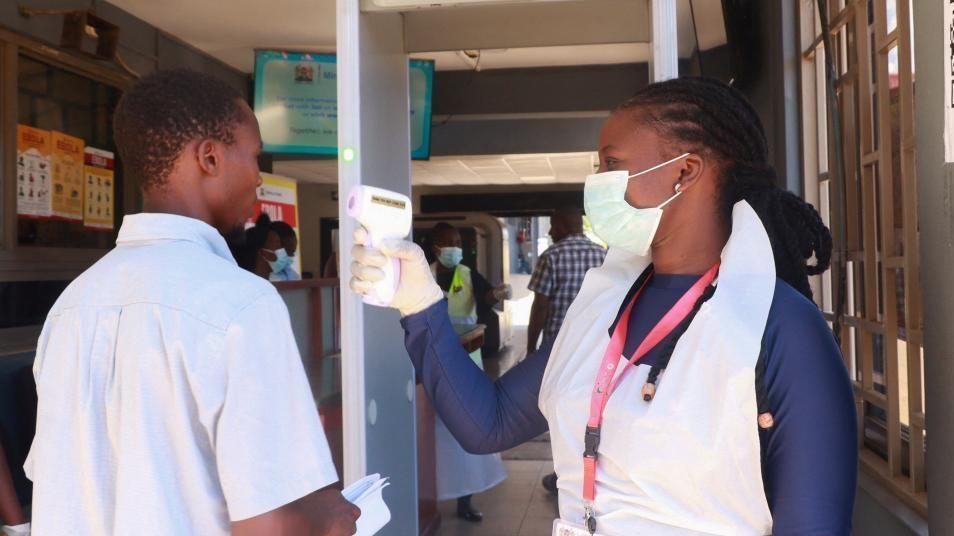
Kenya has implemented stricter measures for travellers arriving from DR Congo and nine other high‑risk countries, requiring them to submit digital health screenings and present QR codes at arrival. Enhanced airport checks aim to prevent new imports of the virus.
International experts warn that Africa has recorded over 4,000 Ebola deaths since the 2026 outbreak began, making it the second deadliest epidemic of the virus. The Bundibugyo strain remains without an approved vaccine, though clinical trials are underway.
The United States currently advises against travel to Kenya, while Uganda, Ethiopia, and Somalia remain on alert. Residents are urged to report suspected cases promptly and to practice rigorous hand hygiene and avoidance of close contact with ill individuals.