In brief
Residents of Churchill, known as the polar bear capital of the world, are experiencing rising encounters with the iconic predators as climate change alters their habitats. With bears spending more time on land due to prolonged ice-free periods, the community faces daily safety protocols while scientists explore technological solutions for bear detection.
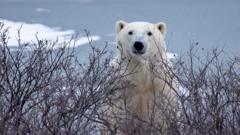
Empty lineThe Arctic town of Churchill, Canada, faces significant challenges as climate change reshapes the relationship between its residents and polar bears, which are the planet's largest land predators. During a recent visit, BBC journalist Victoria Gill encountered Tee, a brave 13-year-old, who advised about polar bear encounters and offered practical tips for safety. "If a bear is this close, make a fist and punch it in the nose," Tee said, although she has yet to face this situation personally.In this unique town, which embraces its identity as the polar bear capital of the world, signs displayed in shops and cafes remind residents to remain vigilant against potential bear encounters. The local community takes precautions seriously, particularly since fleeing a charging polar bear is extremely dangerous due to their chasing instincts and speed.Every year, Churchill sees hundreds of polar bears gather along the shores of Hudson Bay when the sea ice thaws, eager to hunt seals. Since the 1980s, however, polar bear populations in the area have seen an alarming decline, dropping from 1,200 to nearly 50% of their former number. This decline is connected to warmer temperatures and diminishing ice coverage, which impact the bears' ability to find food.As polar bears spend longer periods on land due to extended ice-free seasons, they face increased pressure since fewer resources make it difficult for mothers to raise their young. Nevertheless, the university town remains a major draw for conservation scientists and thousands of tourists every year, eager to study the bears and their environment.While on a tundra buggy excursion, the team had a close encounter with a curious young polar bear. This moment underscored the paradox that while polar bear attacks are rare, ice-dependent predators are increasingly interacting with human populations.Churchill's polar bear alert team plays an essential role in ensuring community safety. Trained rangers patrol daily, responding to bear sightings and employing humane trapping methods to relocate persistent bears. Recent advancements in technology, including a radar system developed by scientists, seek to improve bear detection and safety practices.Since the implementation of the polar bear alert program in the 1980s, no fatal polar bear attacks have occurred in Churchill, although storied incidents remind the community of the ever-present dangers. The local scientific observatory aims to study climate change effects on the Arctic, including port operation plans that may benefit from longer shipping seasons due to thawing conditions.While Churchill's mayor remains optimistic about the town's ability to adapt to a warming world and the economic opportunities it may bring, the long-term future of polar bears remains uncertain. Local youth like Charlie express concerns about the potential disappearance of these magnificent creatures, reflecting the complexity of coexisting in an environment under threat from climate change. As children observe polar bears being relocated outside their school, routines and safety measures continue to shape life in Churchill, where coexistence with these majestic animals is a daily reality.