Global temperatures in 2025 did not quite reach the heights of 2024, thanks to the cooling influence of the natural La Niña weather pattern in the Pacific, new data from the European Copernicus climate service and the Met Office shows.
But the last three years were the world's warmest ever recorded, bringing the planet closer to breaching international climate targets.
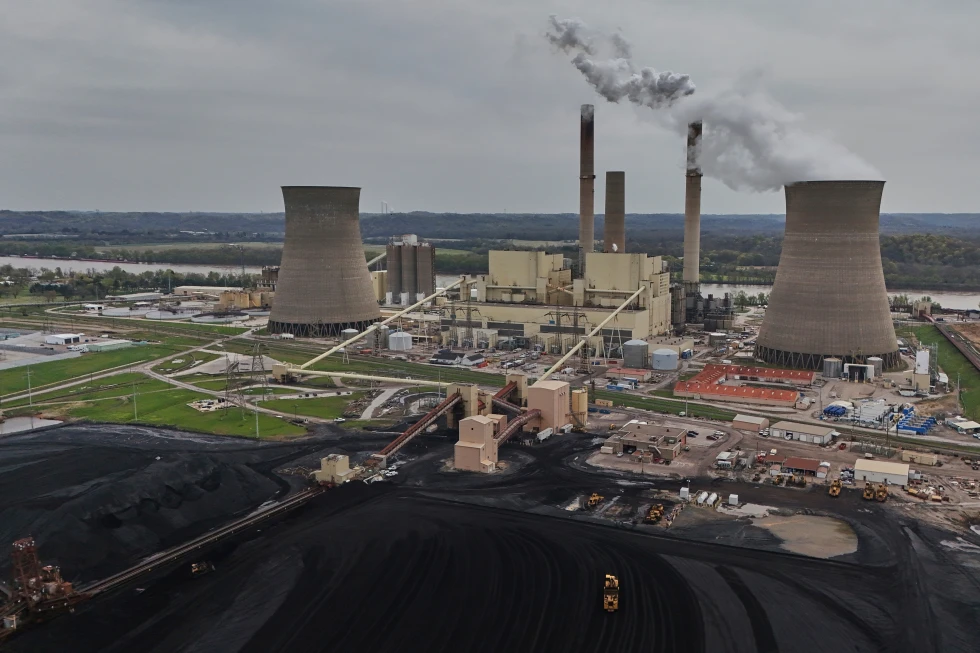
Despite natural cooling from La Niña, 2025 was still much warmer than temperatures even a decade ago, as humanity's carbon emissions continue to heat the planet.
That will inevitably lead to further temperature records – and worsening weather extremes – unless emissions are sharply reduced, scientists warn.
If we go twenty years into the future and we look back at this period of the mid-2020s, we will see these years as relatively cool, said Dr Samantha Burgess, deputy director of Copernicus.
The global average temperature in 2025 was more than 1.4C above pre-industrial levels of the late 1800s - before humanity started burning large amounts of fossil fuels - according to Copernicus and Met Office data.
The continued warmth brings the world closer to breaching the international target to limit the rise in global temperatures to 1.5C above pre-industrial levels, aimed at avoiding severe climate change consequences.
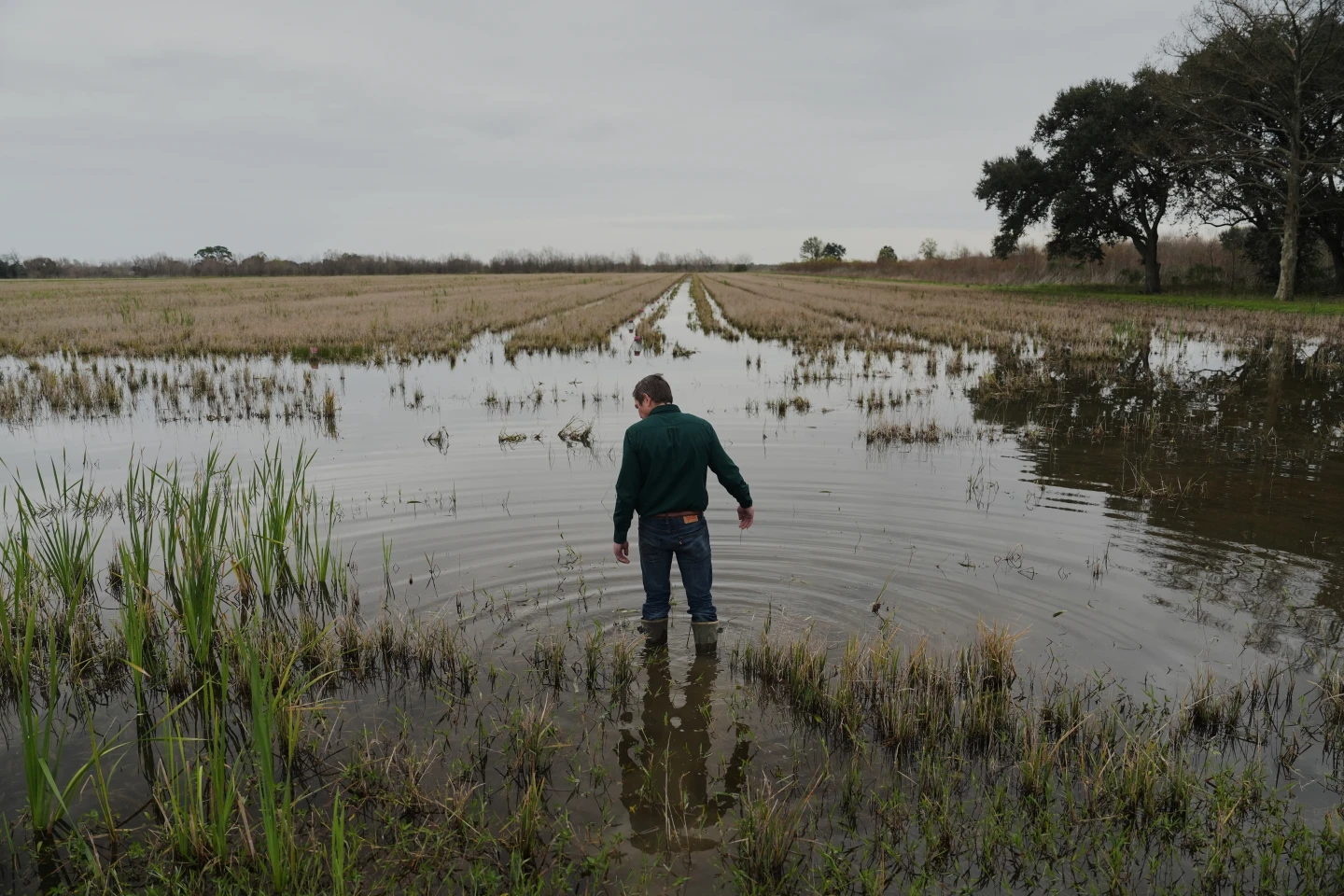
Extreme weather events linked to global warming continued in 2025, affecting regions such as California and the Caribbean, emphasizing the urgent need for significant climate action.
Scientists highlight that the future impacts of climate change are influenced by our current actions; reducing greenhouse gas emissions can stabilize global warming, and making society more resilient is crucial for navigating ongoing climate shifts.
}