In brief
The iconic Kruger National Park has temporarily closed due to severe flooding caused by torrential rains, leading to the evacuation of guests and staff. The floods have resulted in at least 19 fatalities, including a young child. Authorities are issuing warnings for continued rainfall and are advising residents to take precautions against potential flooding.
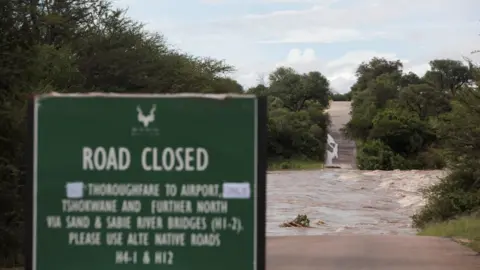
Flooding in South Africa's northern provinces of Limpopo and Mpumalanga has forced the famed Kruger National Park to suspend visits and evacuate some guests and staff by helicopter.
At least 19 people are now believed to have died in recent weeks in South Africa due to floods caused by torrential rain.
Among those killed was a five-year-old boy in the town of Giyani, in Limpopo. President Cyril Ramaphosa met the child's family to offer his condolences while visiting the region to assess the damage.
A red level 10 warning has been issued by the South African Weather Service, forecasting yet more rain in affected areas and warning communities to remain alert.
If possible stay indoors and off the roads, it advises. Never drive on a road covered by water. If the vehicle stalls, leave it immediately and seek higher ground.
Residents are also advised to move their valuables to a safe place above the expected flood level, switch off their electricity at the source, and to move livestock to higher ground.
In recent days helicopters and the military have been deployed to rescue people in some of the worst-affected areas.
The Reuters news agency reports that flooding in south-eastern Africa has become more frequent and severe as climate change makes storms in the adjacent Indian Ocean more powerful.