In brief
Bu and Tyapa, two brown bears once kept in horrendous conditions in Russia, endured a five‑year rescue mission that spanned multiple countries, conflicted routes, and more than a hundred volunteers. Their path was blocked first by the invasion of Ukraine and later by tensions in the Middle East, forcing a complex relocation from Moscow to Dublin via Abu Dhabi. Arriving at Wild Ireland in County Donegal, the bears have already shown dramatic health improvements, regaining weight, healthy coats, and normal kidney function. The sanctuary, founded by Killian McLaughlin, now offers them woodland, water, and freedom to explore, marking a remarkable turnaround for animals rescued from animal cruelty. The story highlights the dedication of animal‑protective teams and the resilience of these bears as they adapt to a new, humane environment.
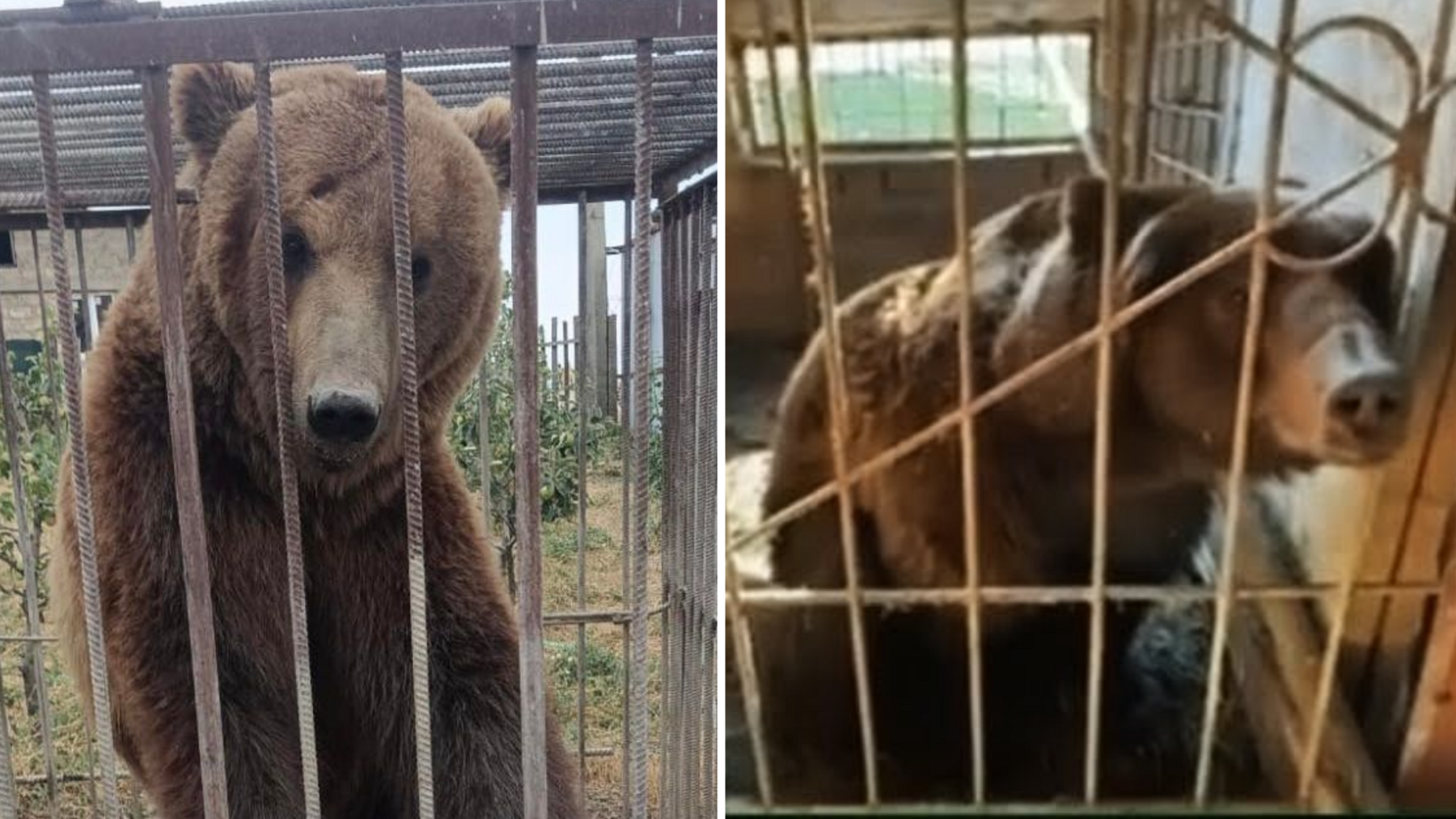
For two brown bears named Bu and Tyapa, years of confinement in tight cages in the Republic of Dagestan have finally ended with a return to the wild – and it took five years, an international team of over a hundred people and the upheavals of two wars to make it happen.
The bears were rescued by a team from the Tiger House sanctuary near St. Peterburg in October 2025 and then transported back to Dagestan where they received veterinary care and quarantine. The journey to Ireland was delayed when Russia’s invasion of Ukraine made the original over‑land route impossible, and a later detour via the Middle East was cut short by escalating conflict around Iran in February 2026.
After months of careful preparation, the bears crossed the Atlantic aboard a cargo flight from Moscow, via Abu Dhabi, to Dublin. They arrived at Wild Ireland – a sanctuary in Burnfoot, County Donegal that opened in 2019 – on 3 August 2026.
McLaughlin says the bears’ weight, coat and kidney function have all returned to normal. “They’re gaining confidence, they’re getting out into the forest and they’re enjoying the grass and soil again,” he told reporters. The sanctuary offers them woodland, water, shelter and enough space to roam – a big change from the 2.5 m by 2.5 m by 2 m cage they left behind.
“The first step of that recovery process is to get them back out into the forest, get their paws on the soil and give them the chance to explore,” McLaughlin added. He noted the bears’ “full and happy life” is now a possibility.
Wild‑Ireland staff, including seasoned volunteer Chloe McElhatton, have been encouraging the bears to forage for food in the open, which promotes natural behaviours and helps build their confidence. “Over time we’ve seen their confidence build, and you can see great changes, both physically and mentally,” she said.
Visitors to the sanctuary are equally impressed. French tourist Liam described the bears as “very big and very impressive,” their favourite animals among the other wildlife at the park. Chris Roberts, a frequent visitor from Manorcunningham, echoed these sentiments: “It was fantastic to see them in the flesh. We absolutely loved it and are delighted to see them doing so well.”