In brief
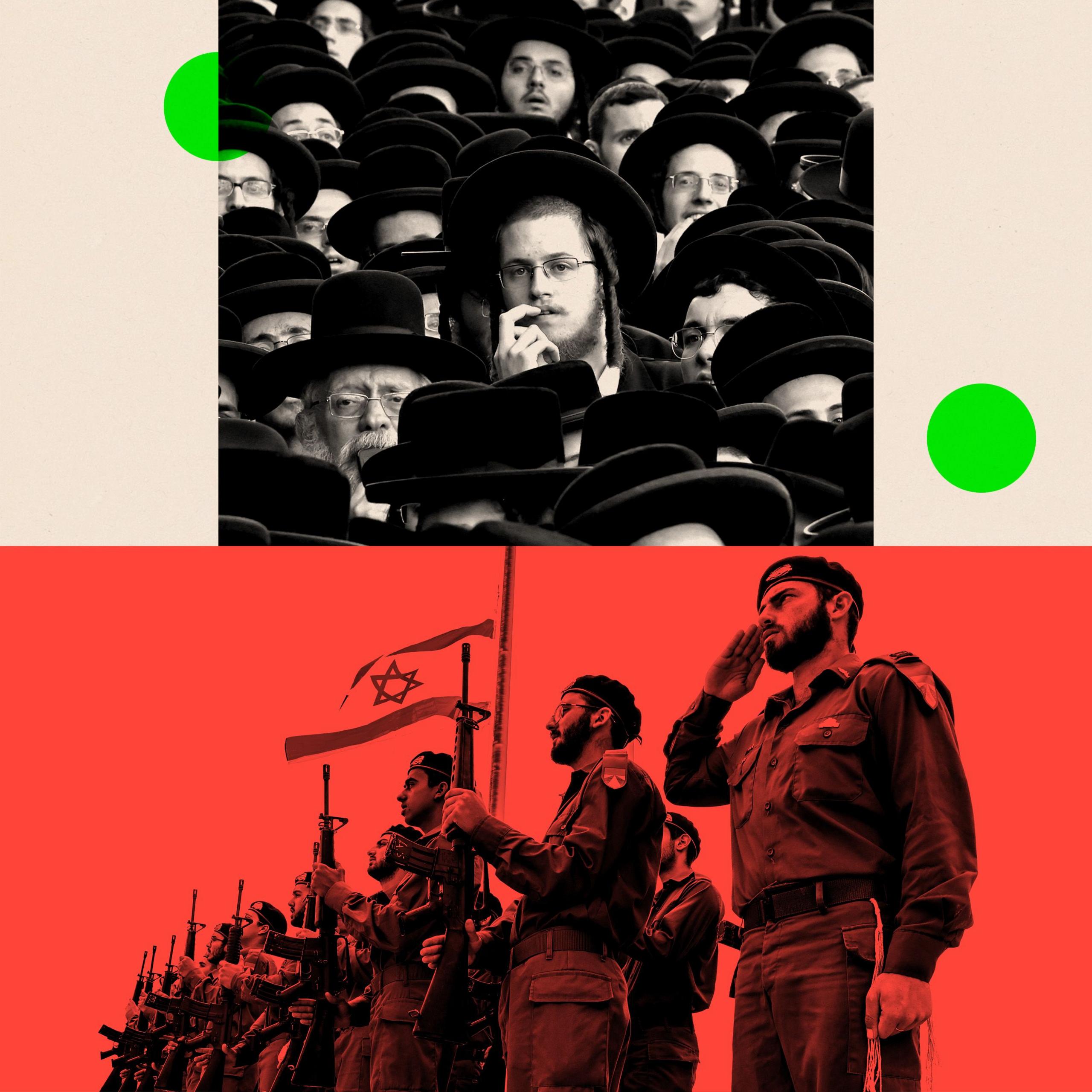
In the city of Modiin, ultra‑Orthodox men in white shirts and black fedoras confronted police after a young Haredi boy was arrested for avoiding military service. The clash highlights a deep rift in Israeli society; the Haredi community constitutes about 14 % of the population and could grow to a third by 2050. Their exemption from conscription and heavy subsidies – estimated at 35 bn shekels (≈8.4 bn £) – are increasingly contested as Israel faces war on multiple fronts. Political parties, especially those allied with Benjamin Netanyahu, rely on Haredi votes, but the community’s hardline stance threatens government stability. New parties and right‑wing leaders are attempting to court Haredi voters, reshaping the election landscape.
Tensions rise over draft exemption in Israel
In the middle of the night in Modiin, thousands of ultra‑Orthodox men in white shirts and black fedoras met police outside a small apartment building. The men were protesting after a young Haredi boy was taken into custody for failure to report for military service.
The protest marks a flashpoint in a series of confrontations where the Haredi community, growing from a minority to a potential third of Israel’s Jewish population, challenges the state’s claim that the exemption from conscription is an historical compromise now costing the government 35 bn shekels in yearly subsidies.
For decades the Haredi community has relied on a separate educational system that keeps most members out of the workforce and outside the army. After the October 7 attacks and the ongoing war in Gaza, Israel’s manpower shortage and a sense of national crisis have made the exemption more controversial. The Israeli electorate now views the exemption as an unfair privilege that strains public resources.
Polling shows that the Haredi parties — United Torah Judaism and Shas — wield significant kingmaker power in the 120‑member Knesset. Netanyahu’s coalition hinges on their support, yet he faces pressure from other parties that propose ending the exemption or cutting subsidy payments. Political analysts say that without concessions on conscription the Haredi bloc may withdraw, tipping the scales for a government that needs a majority of 61 seats.
A new Haredi party, the Public Party, is attempting to break tradition by proposing that men serve while still retaining their religious identity, and has fielded female candidates. However, deep‑rooted loyalty to rabbinical authority makes a shift unlikely for the immediate election. Hard‑right figures such as Itamar Ben‑Gvir and Gadi Eisenkot are also courting Haredi voters; Ben‑Gvir’s “ultra‑nationalist” stance has appealed to some seeking an alternative to Shas and UTJ.
In this climate, the outcome of Israel’s upcoming elections will hinge on how the draft exemption debate unfolds. A new coalition may force compromises, but the Haredi community’s resistance could also precipitate a broader national crisis.