In brief
As humanity explores the cosmos and debates the implications of UFO sightings, experts like Avi Loeb question what visitors from other worlds might think of our planet and its inhabitants amid ongoing conflicts and societal issues. Recent discussions, sparked by comments from former Presidents Obama and Trump, raise questions about the nature of intelligence as we seek understanding of potential extraterrestrial life. Faced with wars and climate crisis, many are left wondering how aliens would judge us.
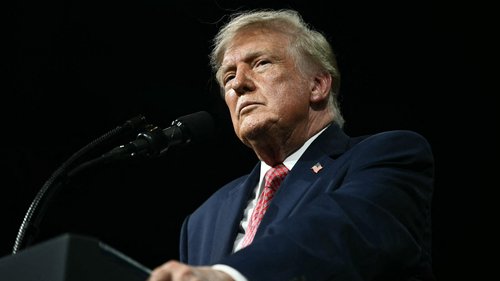
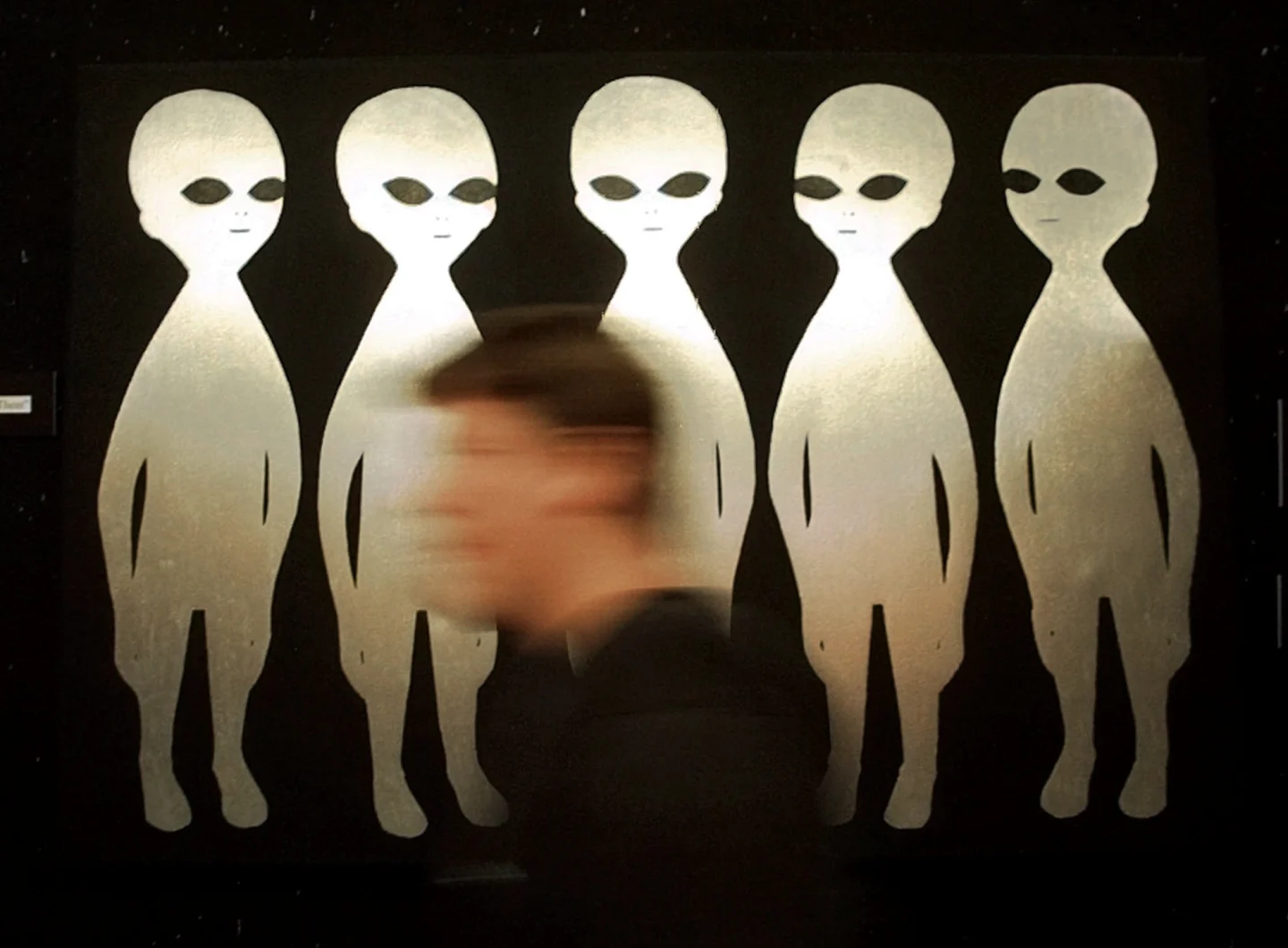
For generations, humans have speculated about extraterrestrial life and pondered the question of what we might find when we encounter it. Yet, an equally pressing inquiry remains: how would these extraterrestrial beings perceive us? Addressing this provocative question, theoretical physicist Avi Loeb expressed disappointment were he to witness Earth from afar, citing conflicts such as the war in Ukraine as indications of humanity's lack of progress. This dialogue around extraterrestrial life gained momentum following remarks by former President Barack Obama, noting the reality of aliens despite a lack of tangible evidence, and further emphasized by President Donald Trump's comments regarding declassifying government documents in response to the public’s curiosity.As NASA embarks on its Artemis II mission to the moon, confidence in our understanding of the universe is being challenged. In a world rife with wars, civil strife, and climate crises, it begs the question — what might potential visitors think of our planet and trajectory?Polling data reveals that a significant portion of Americans harbors a belief in the existence of intelligent life beyond Earth, with many attributing military sightings of UFOs as credible evidence.The founding president of the SETI Institute, Bill Diamond, believes that the envisioning of these extraterrestrial encounters reflects fundamentally human fears and aspirations. He remarked on the historical intrigue following incidents like the Roswell crash, and cultural depictions of alien visits — often suggesting aggression mirroring our own societal behaviors.Given the approximately 100 billion galaxies housing an estimated 200 billion stars, many argue it’s highly probable life exists elsewhere. Yet, as we continue to unravel mysteries surrounding UFO sightings, speculation about their origin persists without concrete clarity from governmental disclosures. Retired Rear Adm. Timothy Gallaudet underscores the need for revealing classified materials to broaden understanding of unidentified aerial phenomena. Ultimately, the existence of UFOs and interactions with them raise pivotal questions about humanity’s role and intentions — whether the aliens watch us in concern over our actions or simply seek a greater understanding of life beyond their own realms. The ultimate truth, yet to be discovered, may hold profound implications for humanity’s future interactions in the cosmos.