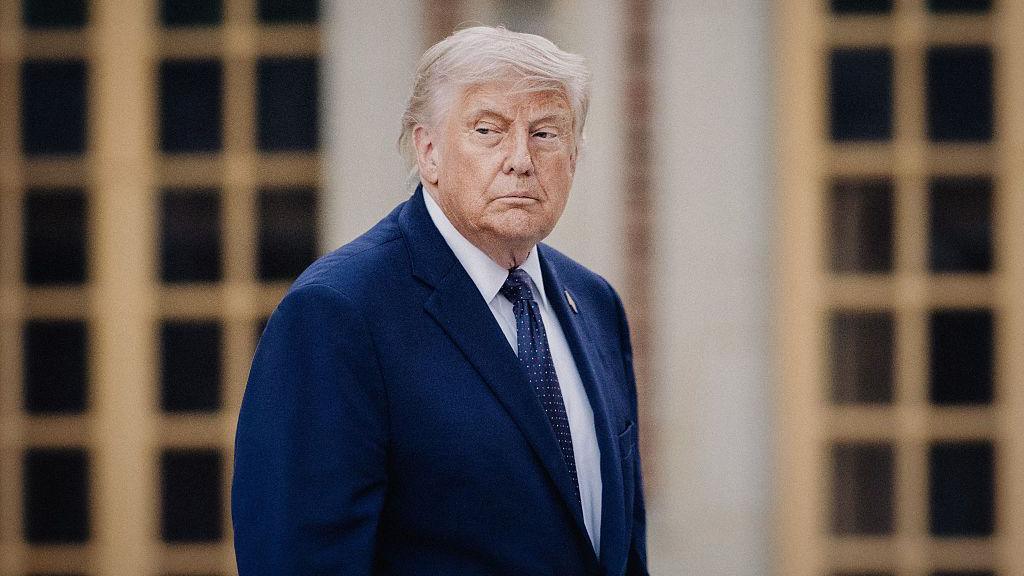
President Donald Trump has pledged to target infrastructure across Iran unless the country reaches an 'acceptable' deal to end the war with the US and Israel by Tuesday night.
Trump promised to bomb the country 'back to the Stone Ages', stating that US forces would target bridges and power plants across Iran. He warned on social media that a 'whole civilization will die tonight' if an agreement is not struck.
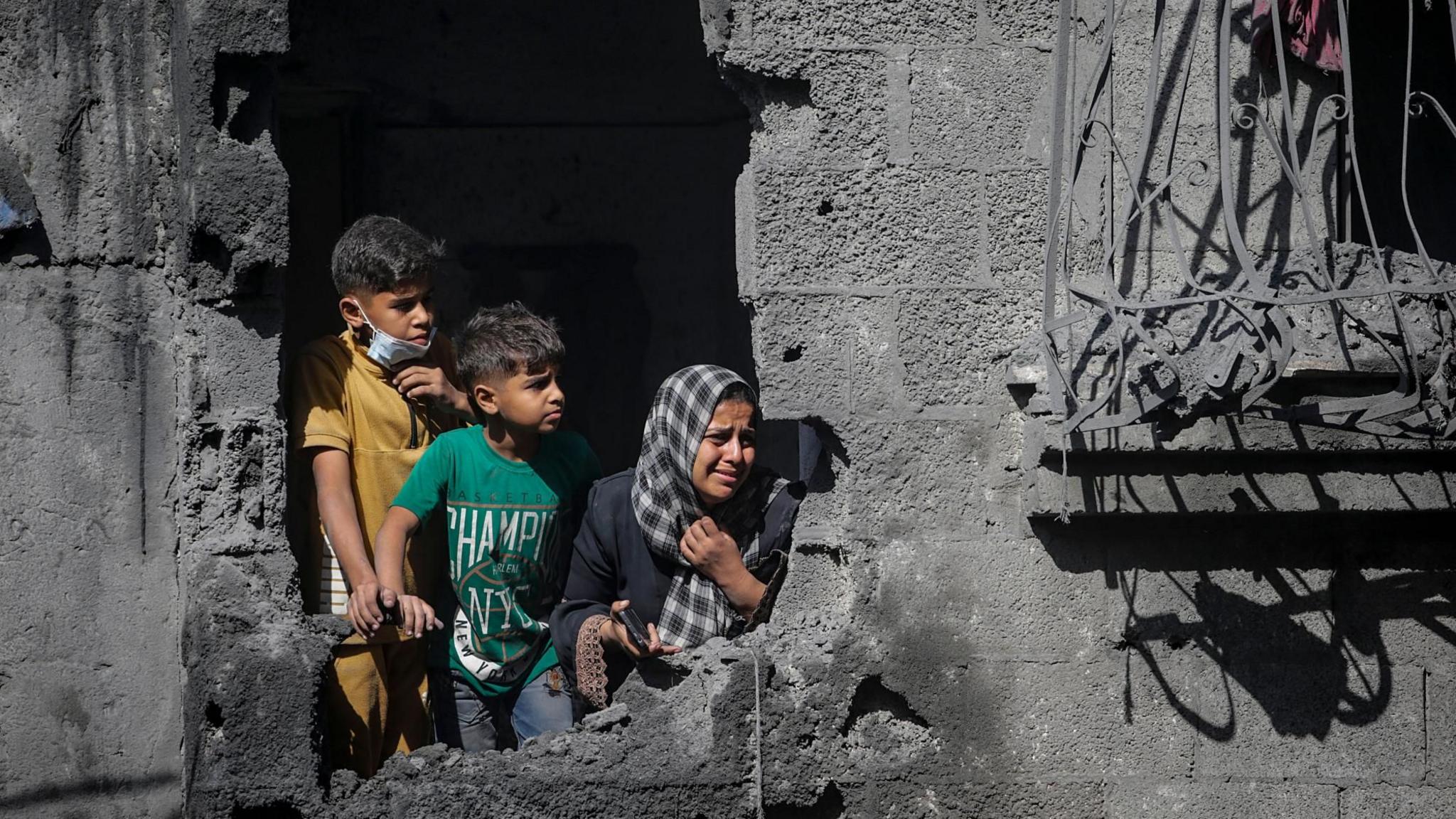
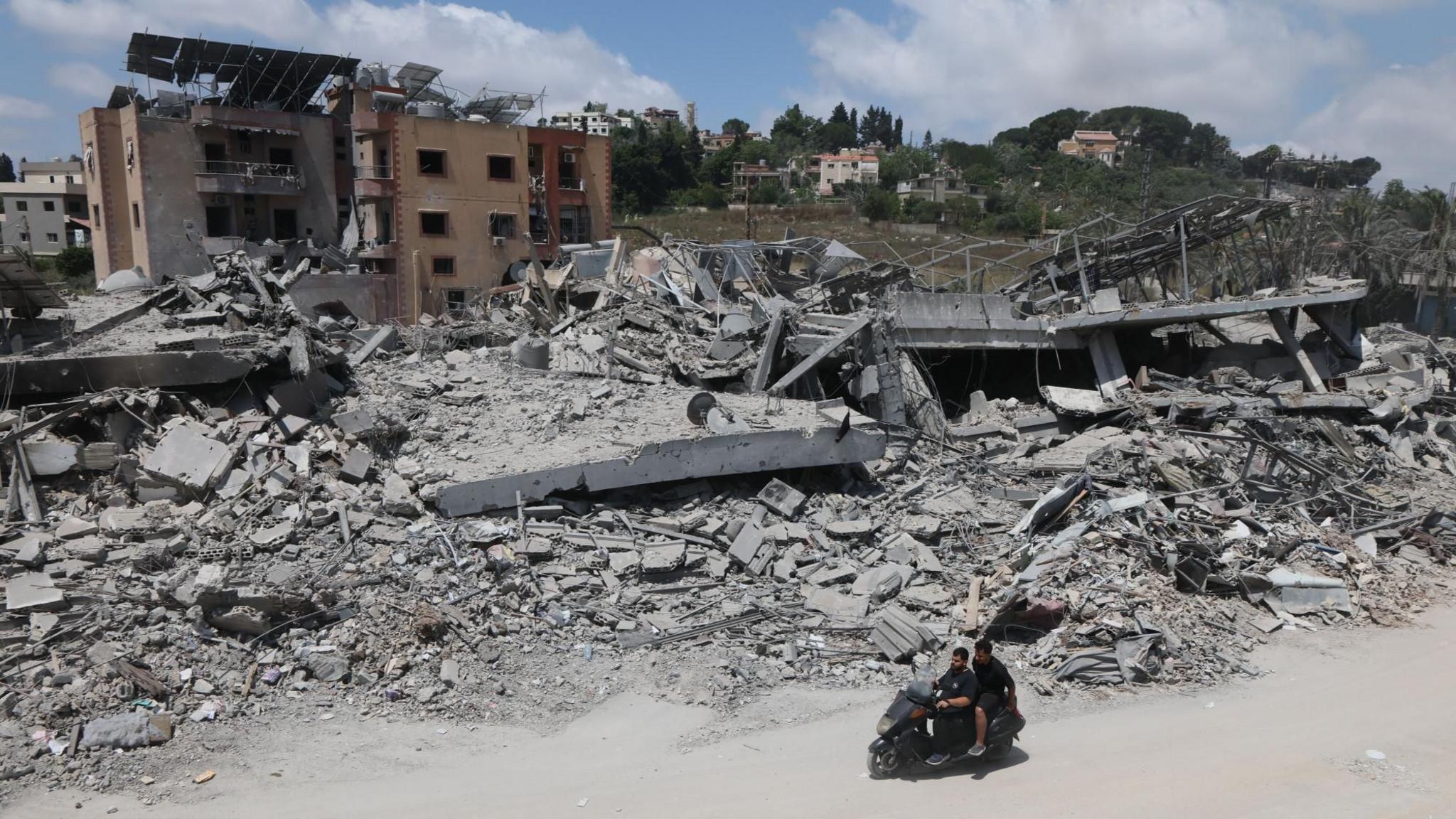
Since the conflict escalated, there have been numerous attacks on critical infrastructure in Iran, damaging schools and hospitals. BBC Verify has confirmed that US and Israeli strikes have hit at least two steel plants, three bridges, and a pharmaceutical plant over the last two weeks.
What civilian infrastructure has been hit by strikes?
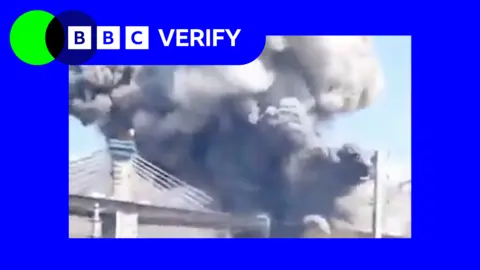
On Thursday, US aircraft attacked a bridge under construction in Karaj, resulting in at least 13 fatalities. Footage confirmed by BBC Verify showed significant damage to the bridge post-attack.
Trump later shared footage online, claiming that the 'biggest bridge in Iran comes tumbling down'.
Additionally, strikes targeted several steel facilities, including the Isfahan Mobarakeh Steel Company, Iran's largest steel manufacturer, and there have been satellite images indicating significant damage to the Khuzestan Steel Company.
Israeli Prime Minister Netanyahu indicated that the attacks have disrupted up to 70% of Iran's steel manufacturing capacity, which could pose serious risks to Iran’s economy.
Furthermore, strikes have also affected the pharmaceutical sector, hitting the Tofigh Daru Research & Engineering Company, known for producing essential medications.
Could the US-Israeli strikes amount to war crimes?
The recent military actions have raised concerns regarding potential violations of international law. Legal experts have questioned whether the U.S.-Israeli strikes, especially on civilian sites, could be categorized as war crimes. Under international law, attacks causing excessive civilian harm are prohibited.
UN officials have stressed that while attacks may be justified under certain military circumstances, excessive civilian harm is not acceptable. Trump's nonchalance towards the potential for war crimes has drawn criticism from various quarters.
As tensions continue to heighten, the ripple effects of these strikes pose significant humanitarian risks, highlighting the complexities of modern warfare and international relations.