On day one, he put the world on notice. Nothing will stand in our way, President Donald Trump declared, to thunderous applause, as he ended his inauguration speech in a cold Washington winter on this day last year, at the start of his second term.
Did the world fail to take enough notice?
Tucked into his speech was a mention of the 19th Century doctrine of manifest destiny – the idea that the US was divinely ordained to expand its territory across the continent, spreading American ideals. At that moment, the Panama Canal was in his sights. We're taking it back, Trump announced. Now that same declaration, expressed with absolute resolve, is directed at Greenland. We have to have it, is the new mantra. It's a rude awakening in a moment fraught with grave risk.
US history is littered with consequential and controversial American invasions, occupations, and covert operations to topple rulers and regimes. However, no American president has threatened to seize the land of a longtime ally and rule it against their people's will. Trump is now being described as possibly the US's most transformative president - cheered by supporters at home and abroad, alarm among others in capitals the world over. International law is being trampled underfoot, and the only law that seems to matter is that of the strongest.
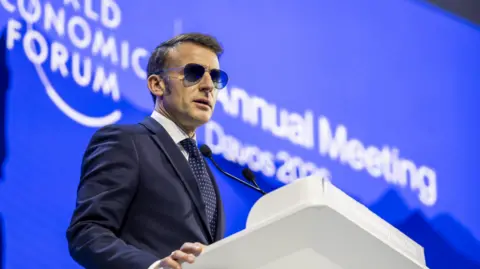
French President Emmanuel Macron's stark warning at the Davos Economic Forum conveyed the shift toward a world without rules. As concerns mount regarding Trump's ambitions and the stability of alliances like NATO, his actions continue to evoke mixed responses from global leaders.
Some supporters argue his America First approach is justified, while others in international circles express alarm at the potential for rising tensions and a chaotic world stage.