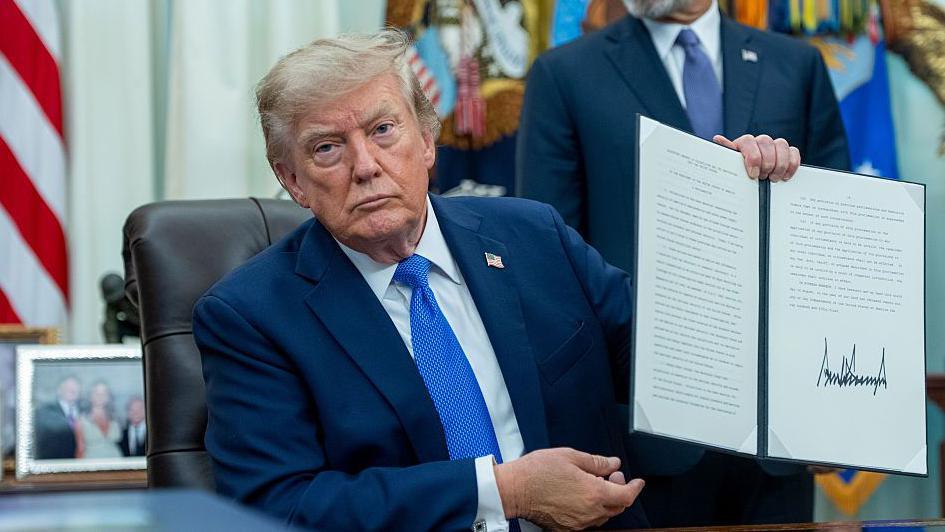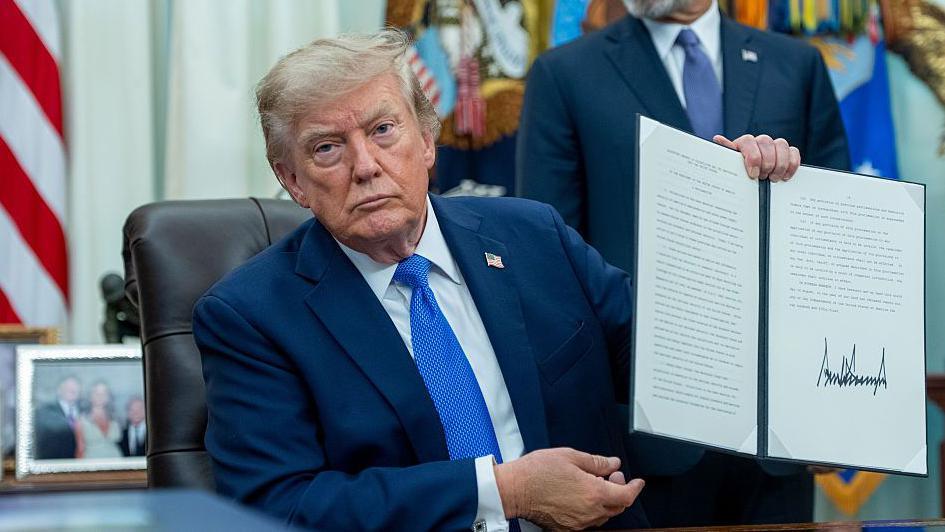
On Thursday, President Donald Trump signed two executive orders that move the United Kingdom’s fight to limit certain children’s automatic citizenship rights.
The first order expands the list of non‑citizen parents whose babies are not automatically granted birthright citizenship. It names a foreign terrorist group member, a foreign government employee, a fraudster who has tried to gain citizenship illegally, or a person living in U.S. territories where the federal constitution does not grant citizenship.
The second order bans what the administration calls "birth tourism," i.e. mothers who travel to the U.S. to give birth solely to secure citizenship for their child. The president said, at the Oval Office, that "this should’ve happened decades ago," but the Supreme Court’s June ruling had kept the 14th Amendment’s guarantee intact.
Hollywood estimates that between 22,000 and 26,000 babies might be born each year via birth‑tourism. According to the Migration Policy Institute, there were about 9,600 births to foreigners in 2024, a figure the administration claims represents a major security risk.
White‑House Homeland Security adviser Stephen Miller noted that many of these parents pretended to travel as tourists but were, in reality, there to have the child automatically eligible for citizenship. He urged that preventing such births also limits access to welfare and the right to vote.
Legal scholars have offered cautionary opinions. Professor Gabriel Chin of UC Davis Law School argued that while the president can restrict people from *entering* the U.S. for birth‑tourism, he does not have the power to retroactively revoke citizenship from a child already born. He also highlighted potential conflicts with U.S. territorial statutes that already grant citizenship to people born in those regions.
The new executive orders come at a time when public debate over immigration control is heating up, and lawmakers in Washington are looking at ways to legislate a definitive stance on birthright citizenship. The policy may remain under legal scrutiny, especially if it conflicts with the Constitutional protections that underlie the 14th Amendment.