In brief
Gloria Steinem grew up in a nomadic family, fought poverty and sexism, and rose to become a vital voice in the second‑wave feminist movement. Her undercover work in a Playboy Bunny nightclub exposed a misogynistic culture, prompting a career that transformed journalism and sparked national debate on abortion, equal rights and gender roles. From launching the all‑female‑run Ms. Magazine to co‑founding the National Women’s Political Caucus, she revolutionised media, politics and public perception of women. Steinem faced intense backlash yet remained resilient, pushing for reproductive freedom and equal marriage and celebrating milestones with citizenship reforms. Today, her legacy endures as a touchstone for activists who continue to push for greater equality and inclusion.
Gloria Steinem, born on 25 March 1934 in Toledo, Ohio, was raised by a traveling family that moved from town to town. With her mother’s mental illness and her father’s departure when she was 10, Steinem’s early life was marked by instability and the need to work, leaving school only at age 12.
In the 1950s she travelled to India on a scholarship, supporting village women who organised non‑violent protests against government policies. Those experiences sparked a lifelong passion for grassroots activism.
The Playboy Exposé
In 1963 Steinem infiltrated a Playboy nightclub as a cocktail waitress, this undercover work became the subject of “A Bunny’s Tale,” an exposé for Show magazine. The article revealed the sexual exploitation and low wages of Playboy Bunnies and opened the door for Steinem’s future career in journalism.
Launching Ms.
In 1972 she co‑founded Ms. Magazine, the first all‑female–owned publication that challenged the mainstream focus on housekeeping and fashion. The first issue sold out in a week and led to 26,000 subscribers. Through influential pieces such as “After Black Power, Women’s Liberation” she shattered the image of women’s media being peripheral.
She also became a leading voice for abortion rights in the late 1960s when she recounted her own abortion experience in a 1969 rally. Her use of the term “reproductive freedom” reshaped public debate and remains a term in modern policy discourse.
Political Advocacy
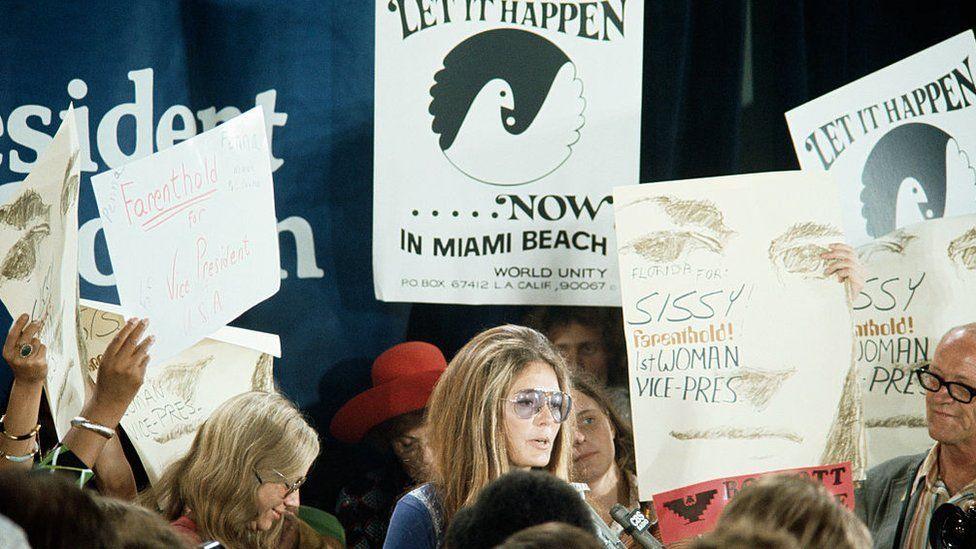
When the Equal Rights Amendment failed in 1970 Steinem co‑founded the National Women’s Political Caucus, attracting more than 300 women. She testified before the Senate, citing personal experiences with discrimination and emphasizing that women deserve equal civil rights. She also championed same‑sex marriage and later defended transgender inclusion in her writings.
Criticism and Resilience
Steinem faced hostility from both feminist peers and male counterparts. She endured harassment, including a sexual smear campaign by the pornographer Al Goldstein, and other public attacks such as the Nixon‑era secret recordings. Though critics raised questions about her appearance and feminist authenticity, she consistently responded that her public persona served to amplify the movement, not to detract from it.
Personal Life
She resisted marriage for most of her life, famously saying “I can’t mate in captivity”, but eventually married David Bale on 7 January 2000. The marriage included a green‑card motivation and a declaration of equal marriage.
Legacy
In 2013 President Barack Obama awarded her the Presidential Medal of Freedom for her contribution to women’s rights. At age 90, she continues to inspire future generations of women, speaking at the BBC about the need to “become the unique, valuable, loved and lovable person that you want to be.” Her influence is seen in how mainstream media now cover feminist issues and in legal advances for women worldwide.