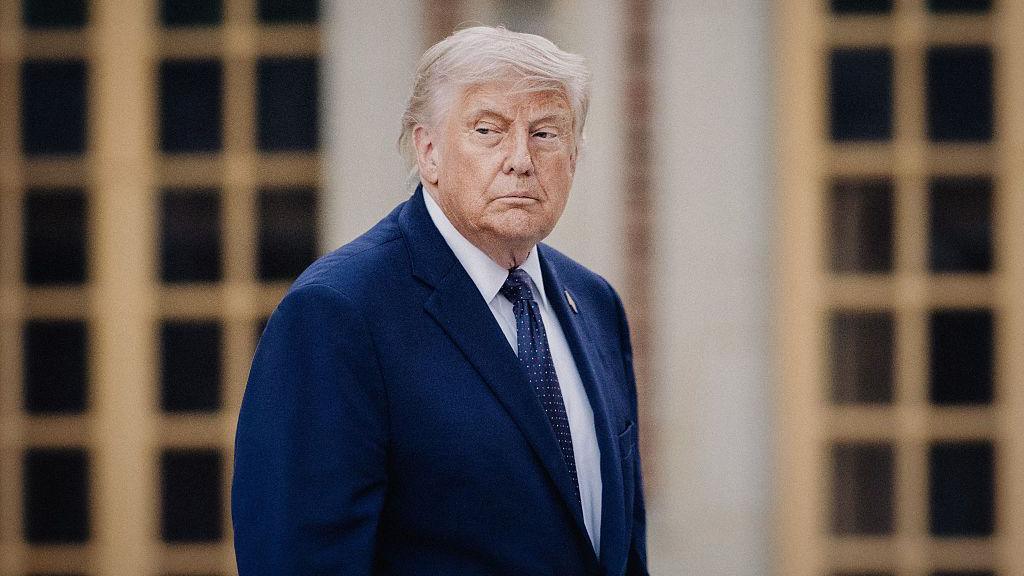
President Donald Trump has suggested talks aimed at ending the war in Iran could resume this week, after negotiations collapsed at the weekend, prompting the US to blockade Iranian ports.
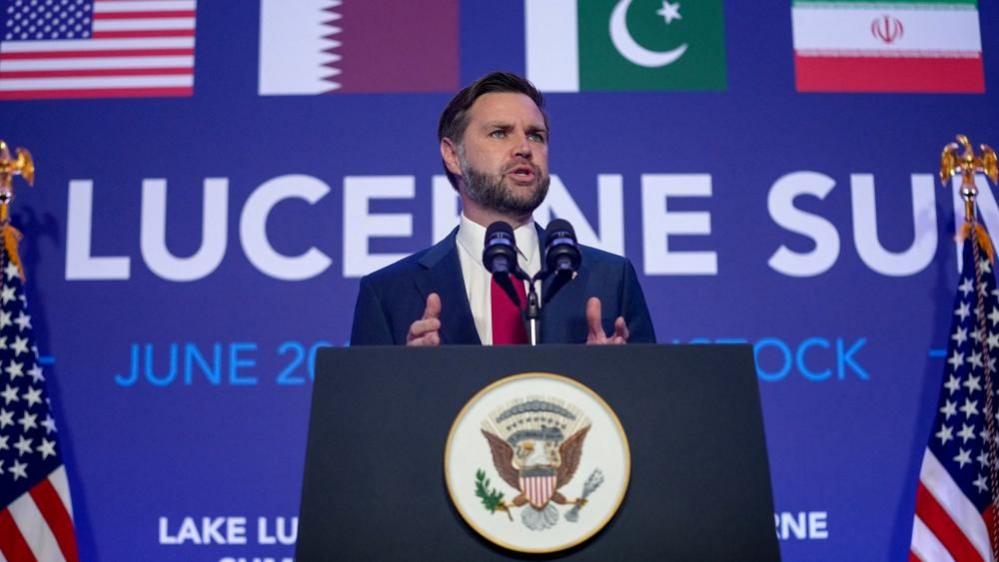
You should stay there [Islamabad], really, because something could be happening over the next two days, and we're more inclined to go there, Trump was quoted as saying in an interview with the New York Post.
His remarks came as the American military said no ships had passed through the US-enforced blockade of Iranian ports and coastal areas in the first 24 hours of the operation.
The stand-off has raised doubts over the prospects for a two-week ceasefire that is due to expire next week.
The Iranian side has not yet responded to Trump's remarks, but United Nations Secretary General António Guterres said it was highly probable that talks would restart.
Gulf, Pakistani and Iranian officials also said negotiating teams from Washington and Tehran could return to Pakistan later this week, with no date yet agreed, Reuters news agency reports.
Hopes that diplomacy might continue helped soothe oil markets, pushing benchmark prices below $100 on Tuesday.
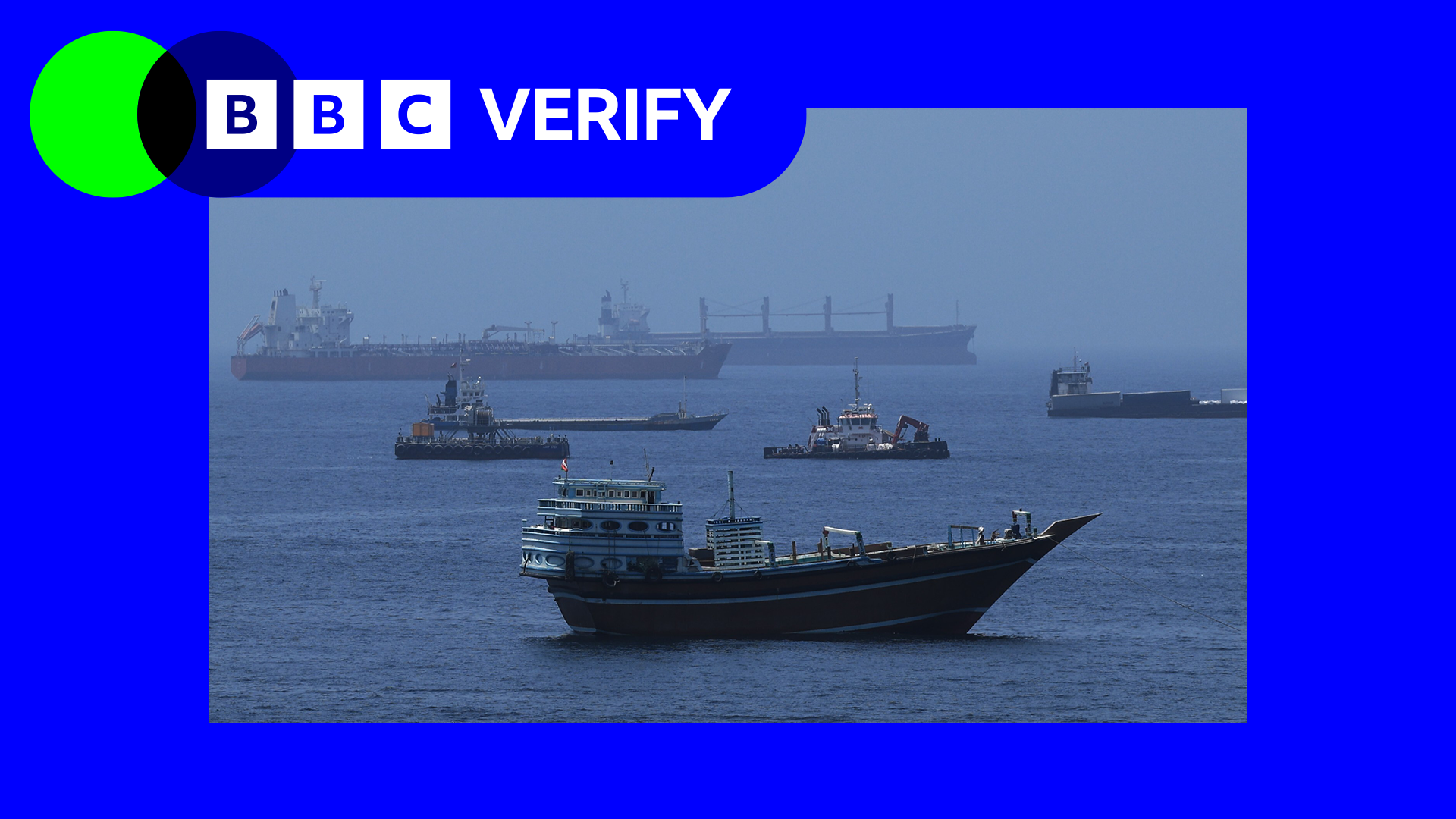
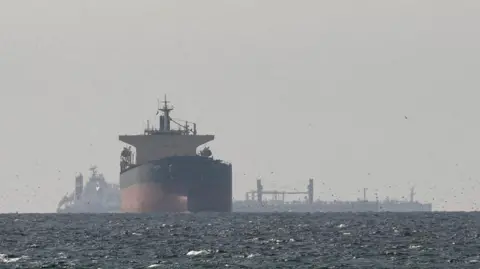
Iran has effectively shut the Strait of Hormuz, a crucial global waterway for oil and gas transport, since it came under attack from US and Israeli air strikes on 28 February. More than a dozen US warships and some 10,000 US military personnel are now enforcing the blockade against vessels of any country entering or leaving Iranian ports, starving Iran of a vital economic lifeline.
It is aimed at putting pressure on Tehran by targeting two of the country's major money sources: oil revenue and the significant tolls Iran demanded from ships for passage through the critical waterway.
The blockade's impact was immediate, with six merchant vessels having "complied with direction" from American forces to turn around and return to Iranian ports in the blockade's initial 24 hours. Ship-tracking data showed that at least four Iran-linked shipping vessels had crossed the Strait of Hormuz despite the blockade.
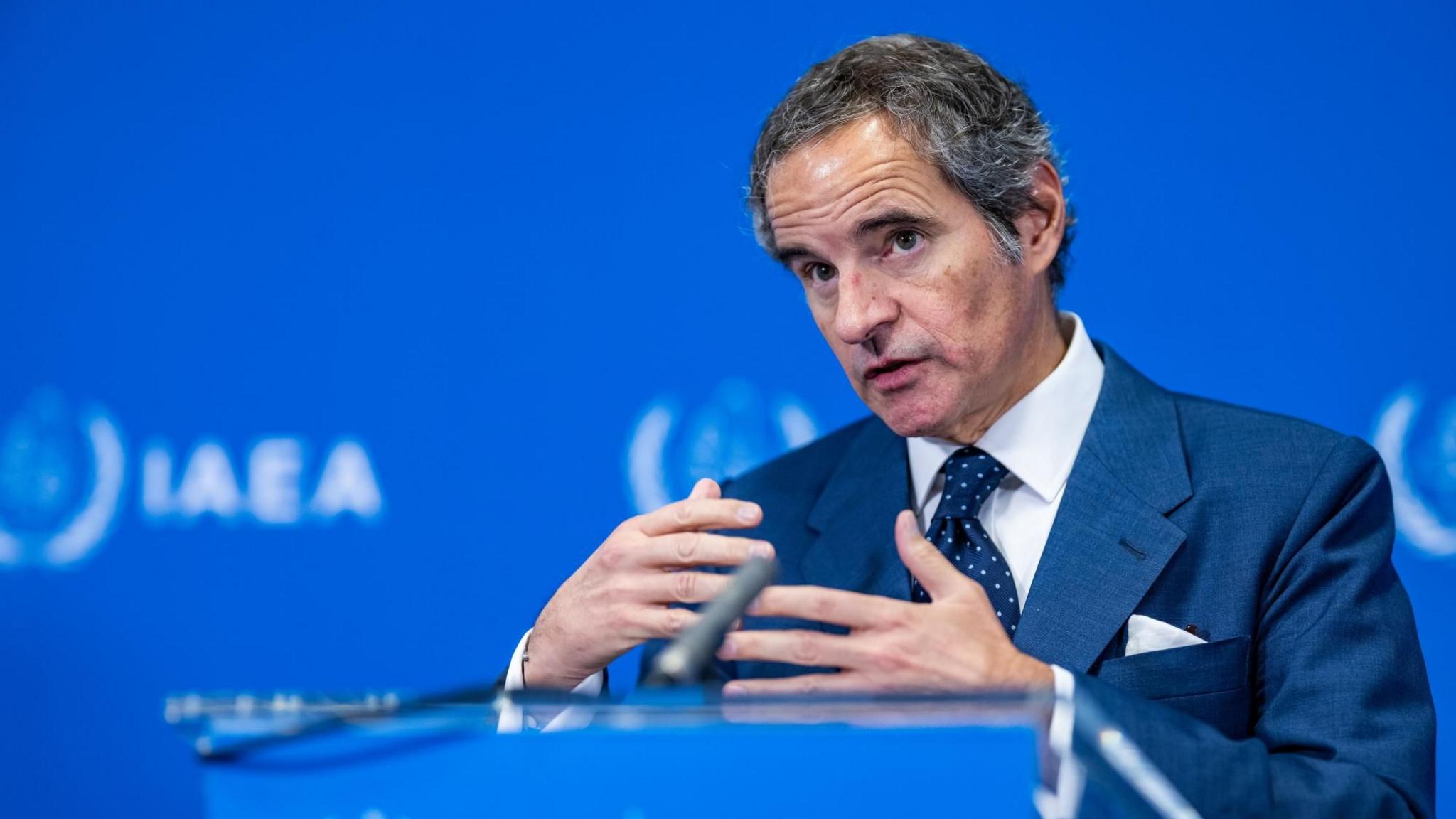
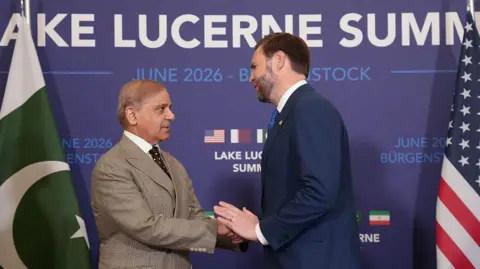
Initial high-level negotiations in Islamabad over the weekend failed to produce any deal, largely due to disagreements over Iran's nuclear ambitions. The US had proposed a 20-year suspension of all uranium enrichment by Iran, while Tehran suggested a halt of only five years.
As the International Monetary Fund (IMF) warned that the war could plunge the global economy into recession, US Treasury Secretary Scott Bessent asserted that a "small bit of economic pain" is worthwhile for long-term security. However, China criticized the blockade as "dangerous and irresponsible", arguing it could worsen tensions.
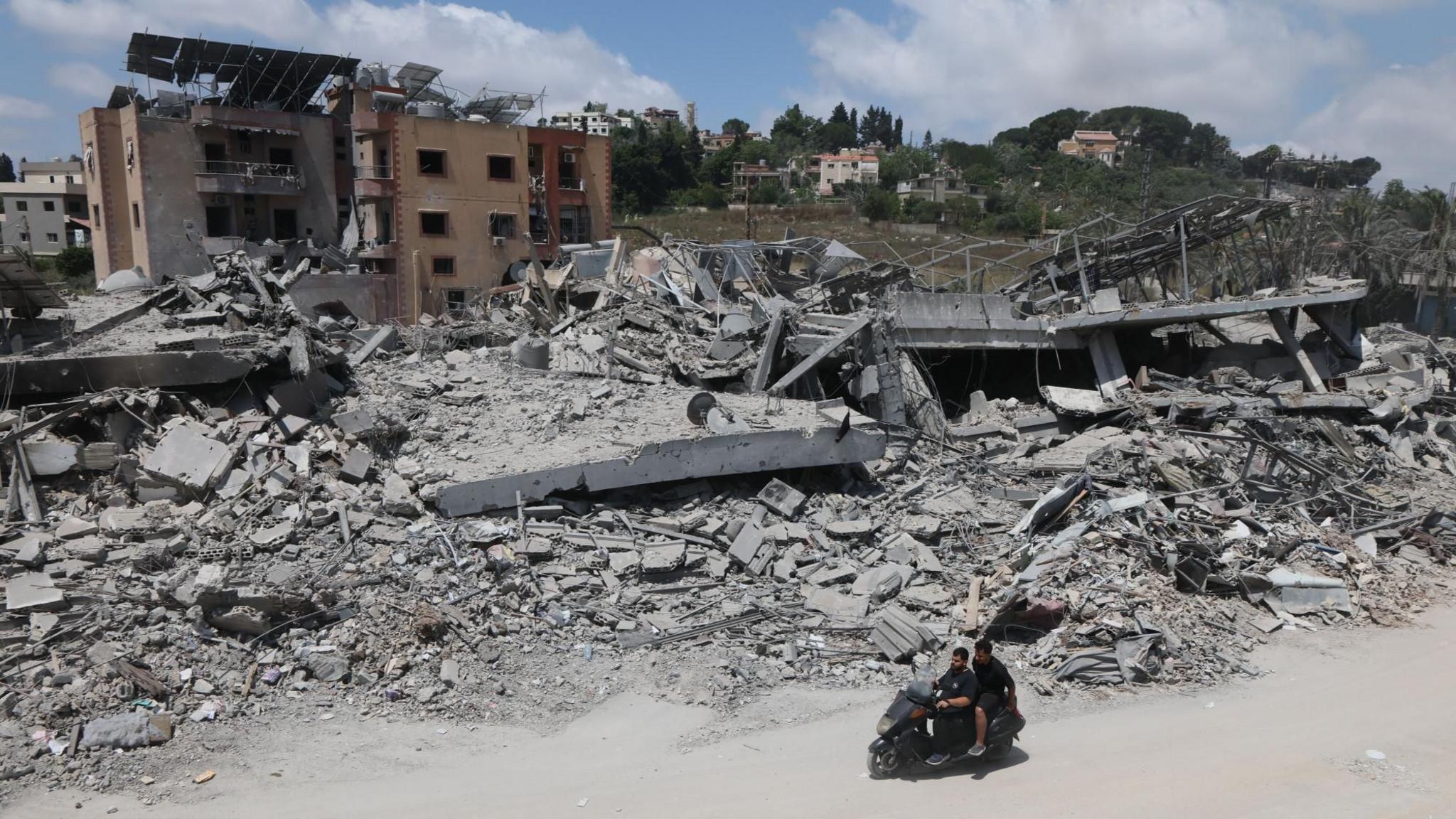
Additionally, parallel negotiations have been launched between Israel and Lebanon following Israeli airstrikes targeting the Iran-backed militant group Hezbollah, marking the first direct talks between the two nations since 1993. A US official emphasized there is no link between the US-Iran negotiations in Islamabad and the Israeli-Lebanon discussions.
You should stay there [Islamabad], really, because something could be happening over the next two days, and we're more inclined to go there, Trump was quoted as saying in an interview with the New York Post.
His remarks came as the American military said no ships had passed through the US-enforced blockade of Iranian ports and coastal areas in the first 24 hours of the operation.
The stand-off has raised doubts over the prospects for a two-week ceasefire that is due to expire next week.
The Iranian side has not yet responded to Trump's remarks, but United Nations Secretary General António Guterres said it was highly probable that talks would restart.
Gulf, Pakistani and Iranian officials also said negotiating teams from Washington and Tehran could return to Pakistan later this week, with no date yet agreed, Reuters news agency reports.
Hopes that diplomacy might continue helped soothe oil markets, pushing benchmark prices below $100 on Tuesday.
Iran has effectively shut the Strait of Hormuz, a crucial global waterway for oil and gas transport, since it came under attack from US and Israeli air strikes on 28 February. More than a dozen US warships and some 10,000 US military personnel are now enforcing the blockade against vessels of any country entering or leaving Iranian ports, starving Iran of a vital economic lifeline.
It is aimed at putting pressure on Tehran by targeting two of the country's major money sources: oil revenue and the significant tolls Iran demanded from ships for passage through the critical waterway.
The blockade's impact was immediate, with six merchant vessels having "complied with direction" from American forces to turn around and return to Iranian ports in the blockade's initial 24 hours. Ship-tracking data showed that at least four Iran-linked shipping vessels had crossed the Strait of Hormuz despite the blockade.
Initial high-level negotiations in Islamabad over the weekend failed to produce any deal, largely due to disagreements over Iran's nuclear ambitions. The US had proposed a 20-year suspension of all uranium enrichment by Iran, while Tehran suggested a halt of only five years.
As the International Monetary Fund (IMF) warned that the war could plunge the global economy into recession, US Treasury Secretary Scott Bessent asserted that a "small bit of economic pain" is worthwhile for long-term security. However, China criticized the blockade as "dangerous and irresponsible", arguing it could worsen tensions.
Additionally, parallel negotiations have been launched between Israel and Lebanon following Israeli airstrikes targeting the Iran-backed militant group Hezbollah, marking the first direct talks between the two nations since 1993. A US official emphasized there is no link between the US-Iran negotiations in Islamabad and the Israeli-Lebanon discussions.