Toxic Smog from Indonesian Fires: Why Battling the Blaze Is So Hard
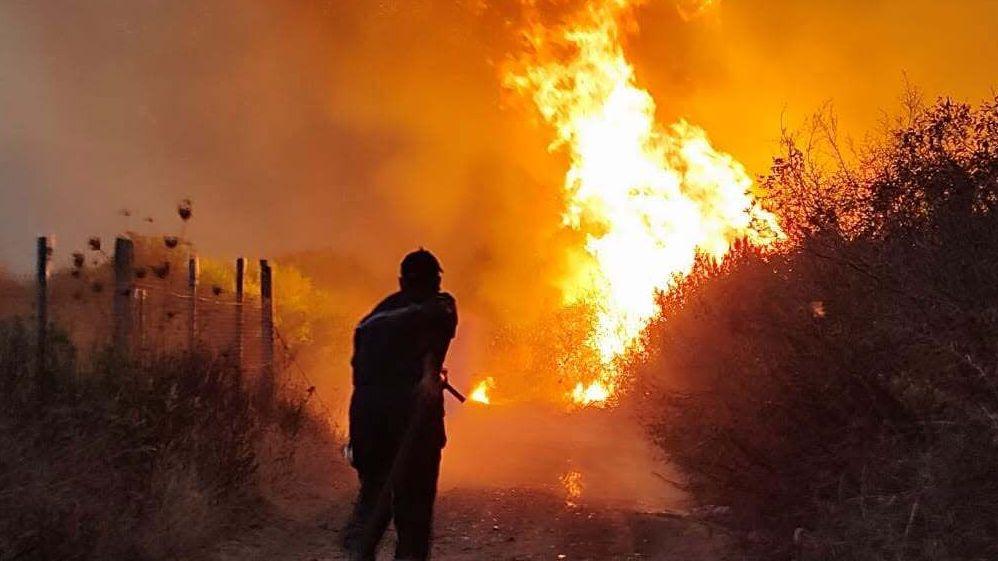
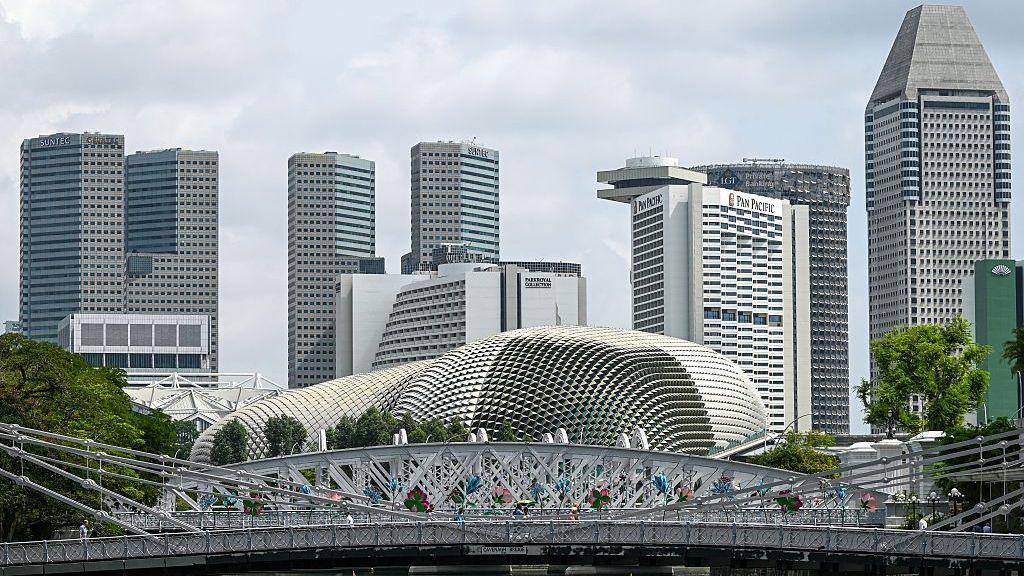
For weeks, Indonesia’s vast lowlands have been seared by a wave of peatland fires that have turned the skies of Jakarta, Kuala Lumpur, Singapore and the Philippines into a choking, purple haze. When local media in Jakarta streams live footage of blackening fields, the immediate concern is the visible glow beyond the horizon; for residents and officials, the real threat is the invisible plume of fine particulates and toxic gases that pass across the archipelago and beyond.
Gavin Butler, the BBC’s climate correspondent, explains that the difficulty in putting out these fires goes beyond a simple lack of water or fire engines. The peat – a partially‑decomposed layer of organic plant matter that can lie up to a metre thick – is a carbon‑rich fuel that burns beneath the surface. Once ignited, the fire can smolder unseen for weeks, only erupting when wind or rain finally unearths it. “Burning peat is like a bank of dry tinder beneath a forest canopy,” Butler says, noting that traditional aerial water drops often miss the very source that keeps the fire alive.
Compounding the problem are the geopolitical and environmental realities that isolate firefighting units from the core of the blaze. The firebreaks drawn by communities are weak, and many of the farms that own these mangrove and peatland areas are part of large palm‑oil and livestock enterprises. The legal framework is fragmented – local regulations often allow drifts of open flames, while national bodies have limited resources to enforce the ban. Even when the authorities deploy drones to map fire fronts, the “black sky” above makes it hard for pilots to determine whether they are approaching a smoldering peat patch or simply a translucent plume.
The public health impact cannot be overstated. In Jakarta alone, air‑quality monitors have recorded levels of PM2.5 – fine particulate matter – several times higher than the World Health Organization safe limit. Hospitals report up to a 30% surge in respiratory cases during peak smoke days, and early warning systems have been delayed due to a gap in real‑time satellite data for Indonesia’s remote regions. “If you stare at the sky for weeks, you will not be able to breathe in the wilderness,” Butler notes, citing a recent study linking haze exposure to increased incidences of pneumonia and heart attacks.
While regional support – from a Singaporean aid package for firefighting crews to a Malaysian joint‑response unit – has allayed some immediate risks, experts pledge that a lasting solution lies in preventative measures. This includes enforcing a moratorium on peatland conversion, rewarding sustainable land‑use practices, and implementing cutting‑edge monitoring technology that blends satellite imagery with ground‑level sensors. Bringing communities into the firefighting process – giving them training, tools and economic incentives to prevent accidental flare‑ups – is also a key proposal being discussed by international NGOs.
As the smog drifts on, Indonesia faces a stark choice: whether to double down on short‑term firefighting or invest in long‑term resilience to a climate that is, arguably, making peatlands increasingly combustible. Until that choice is made, the haze will remain one of the most visible, stubborn reminders of how environment and policy can collide in a crisis that researchers describe as “deeply complex.”