Singapore’s iconic skyline is often seen as a showcase of modern engineering and design, but on 7 October 2026 it looked like a smudged illustration. A dense, toxic haze has rolled over the city, obscuring landmarks such as Marina Bay, the Merlion, and the towering Merlion‑flag.
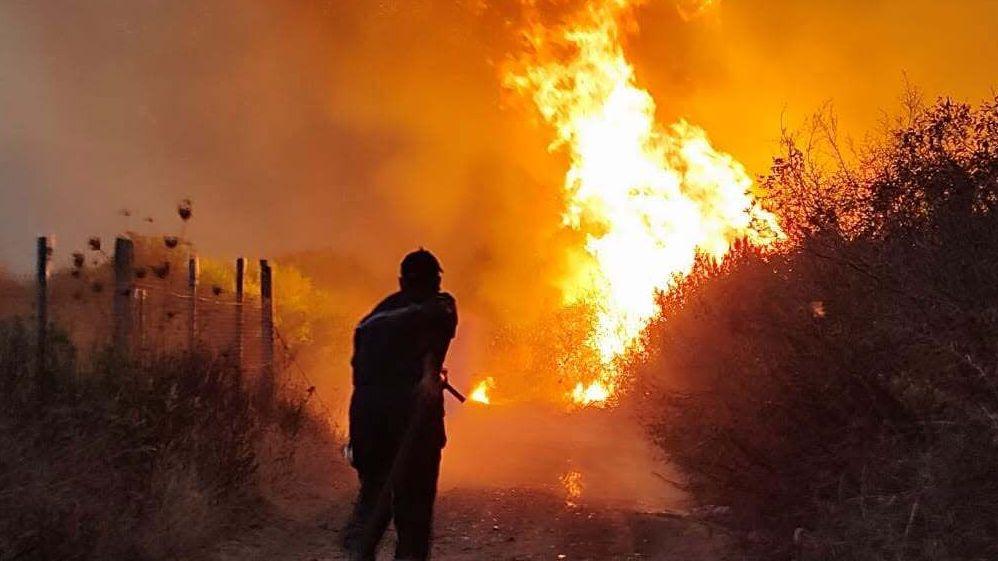
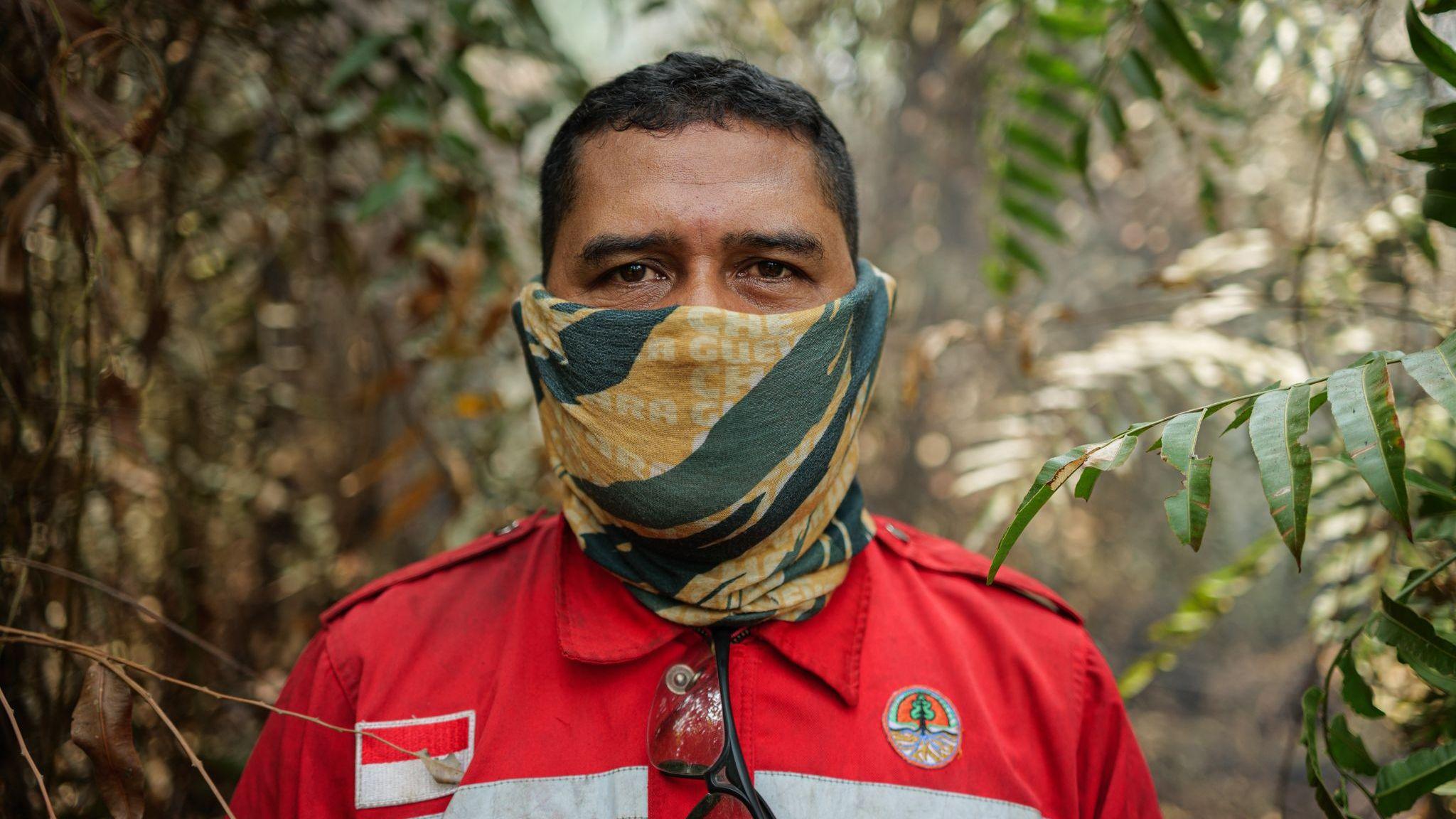
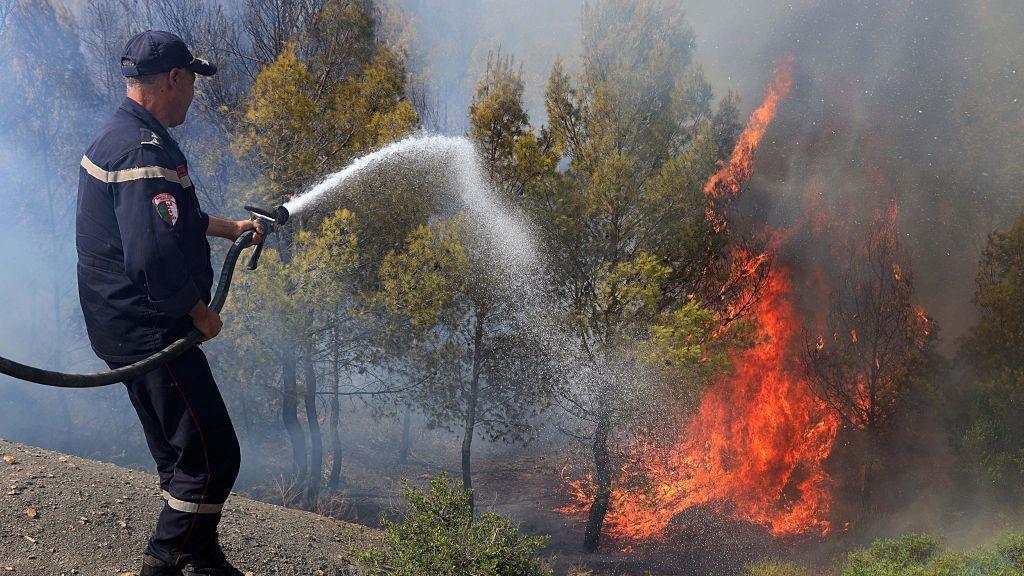
Harsh, fine‑particle smoke is produced by massive wildfires burning across Indonesia’s Sumatra island. With roughly one million hectares already scorched this year, the fires have sent plumes of ash and pollutants drifting across the Indian Ocean and into Singapore’s vicinity.
BBC journalist Tessa Wong reports that the smoke’s penetrating dispersion allows it to travel thousands of kilometres, settling in Singapore’s air and reducing visibility to just a few metres. The fine particulate matter (PM2.5) is not only a visual menace but also a health hazard, prompting authorities to advise residents to stay indoors and wear masks.
City officials have heightened air‑quality monitoring and added emergency alert systems. Local media covers the brightness of city lights behind a gray curtain, while residents describe their streets “drifting into the clouds.”
While officials appeal for long‑term solutions, the present haze serves as stark evidence of the interconnectedness of Southeast Asian environmental challenges.