In brief
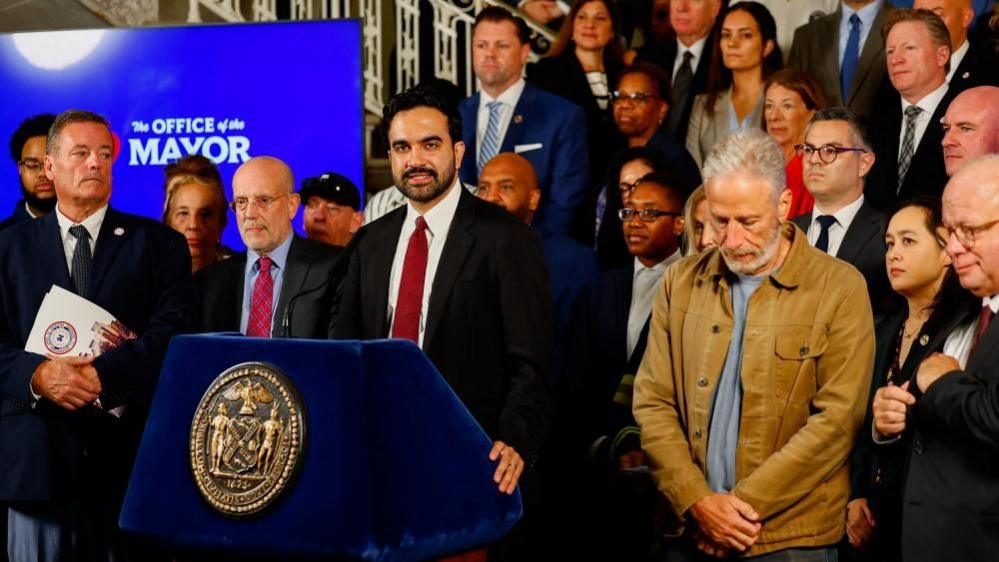
New York City Mayor Zohran Mamdani announced on Tuesday the publication of 170,000 previously hidden documents concerning air quality at Ground Zero after the September 11 attacks. The files, discovered last year, reveal that officials had concerns about toxic air but publicly reassured the public of safety. The release, part of a lawsuit filed by 9/11 Health Watch, includes the infamous “Harding Memo” warning of potential lawsuits. Mamdani said the city would spend $34m to bring the records to an online portal and that asbestos was found almost everywhere tested. Survivors and advocates demanded transparency for years. The documents show the city did not recognize the danger until October 2001, and that the environment was misrepresented as safe.
New York City releases documents about air quality after the 9/11 attacks, raising concerns about toxic conditions at Ground Zero.
The newly released files, which date back to 2001, indicate that city officials had long worried about hazardous air yet publicly assured residents that the environment was safe.
Mamdani said the documents were found in 68 boxes last year and that the city will now make hundreds of thousands of pages available through a portal timed with the 25th anniversary of the attacks.
Maidani noted that asbestos was found “nearly everywhere” in the testing and that the city had been unaware of the toxic air until October 2001.
The release resolves a lawsuit by advocacy group 9/11 Health Watch who sought the hidden records.
Survivors and activists welcomed the disclosure and said it “uncovers the truth” about the city’s handling of public health after the attacks.
The documents include the “Harding Memo,” an October 2001 file warning that the city could face tens of thousands of legal claims from the response to 9/11.
After the attacks, the U.S. Environmental Protection Agency and city officials declared the air near the Twin Towers safe, a stance later apologized for by EPA head Christine Todd Whitman.
Health issues linked to the dust and smoke from the collapse have caused more deaths than the attacks themselves, according to research.
Emergency medical technician Elizabeth Cascio compared the dust so toxic it felt like having to hold one’s breath in the first hours after the collapse.