In brief
French authorities confirm the first human infection with the Shamonda virus, a disease that largely affects livestock, in a severely immunocompromised patient who died in early October. Officials say the virus was likely contracted via a midge bite and pose no current risk to the public. The European Centre for Disease Prevention and Control is monitoring the situation and collaborating with French agencies. Despite the case, the virus was considered non‑transmissible to humans until now. International partners, including the World Health Organization, have been notified.
The first known human case of the Shamonda virus (Shav) has been detected in a patient who died in early October, French authorities have said.
Health officials said it was an "exceptional case in a severely immunocompromised patient" and there was currently no risk to the public.
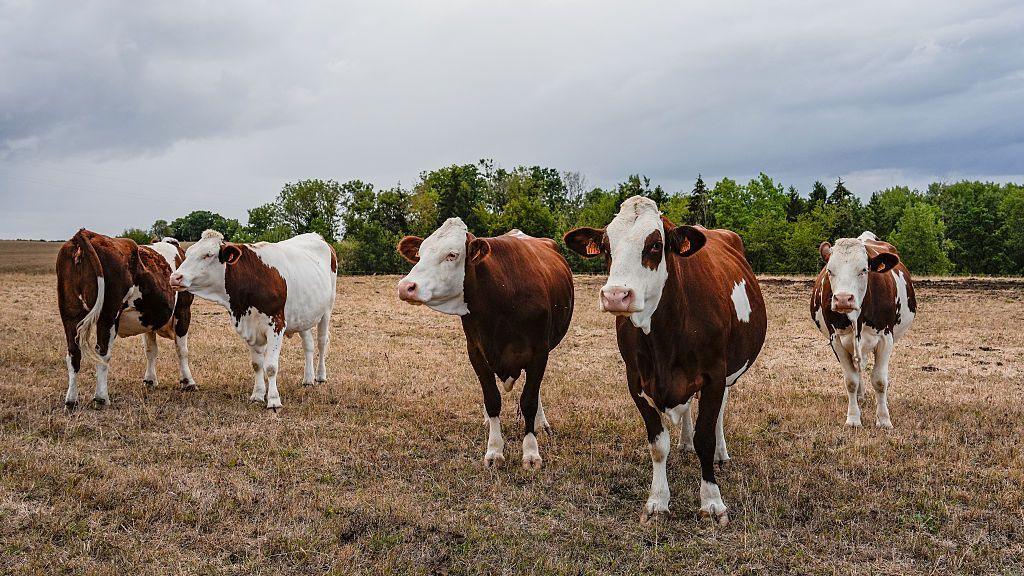
Shav is a disease that primarily affects cattle and can be spread by infected midges. Cases have also occurred in sheep, goats, alpacas and horses, but infections in people were previously unheard of.
The European Centre for Disease Prevention and Control (ECDC) said it was monitoring the situation and officials were still investigating how the virus had spread to a human.
It is currently thought the patient contracted Shav through a midge bite in eastern France, the country's health and agriculture ministries said on Thursday, where cases were first identified in animals in the spring.
They said the patient was being treated for a serious illness in a Lyon hospital and experienced neurological complications thought to have been "very likely linked" to the virus, based on initial findings.
The statement stressed that their immune system was weakened, leaving them more vulnerable to getting ill.
"Until now, the Shamonda virus was considered non-transmissible to humans," it noted, having only been identified in animals "despite decades of circulation of the Shamonda virus in Africa and Asia".
Dairy herds that catch Shav from bites can experience fever, diarrhoea and poor milk production.
The ECDC said it was working with French and European partners to investigate the "potential public health implications" of the infection.
The first cases of the virus in Europe were identified in late July, the agency said. It has since been detected in farm animals in several countries, including Ireland, Germany, Italy and Spain, as well as in Jersey.
The case has also been reported to the World Health Organization.