Kratom: US “Gas Station” Drug Spurs Growing Bans and Safety Concerns
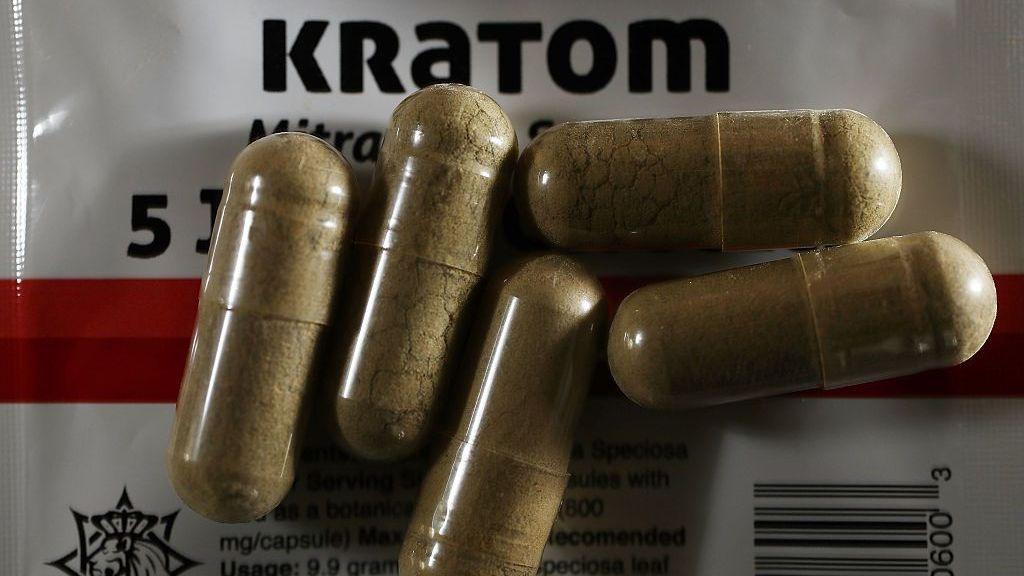
Kratom, the leaf‑based herb that grows in Southeast Asia, has surged in the United States as an informal relief for aches and a self‑medication tool against opioid addiction. 55‑year‑old timber worker Jeffrey Deaver of Washington reports it helped him end chronic joint pain after doctors gave up on treatment options. He bought the supplement from a local shop, where pills, powders and liquids are sold openly in convenience stores and vape shops. Users describe a buzz similar to caffeine in low doses and a calming, euphoric feeling when taken in higher amounts, a mix that resembles opioids.
How It Works and Why People Use It
Kratom’s active alkaloids, such as 7‑hydroxymitragynine, bind to opioid receptors and stimulate the release of dopamine, producing pain relief and mood elevation. Those seeking to taper off medications like fentanyl sometimes turn to kratom, hoping its natural origins and lack of prescription barriers will reduce withdrawal. In lower doses, a mild stimulant effect encourages alertness, whereas higher doses give a “high” that can include hallucinations. Long‑term users often develop tolerance, pushing them to increase their consumption to regain earlier effects. The drug’s legal status means consumers have no guarantee of purity, concentration, or safety.
Health Risks and Regulatory Pushbacks
The lack of federal regulation is a core concern for clinicians and public‑health officials. Cases in recent months, such as the discovery of packaged kratom in the possession of deceased Mississippi students, do not directly link the product to fatal outcomes, yet authorities caution that the high doses may depress the central nervous system, triggering respiratory arrest. Withdrawal symptoms—nausea, fatigue, irritability—have been reported very frequently, and several patients overuse up to 20 pills daily, according to addiction specialist Jana Wu.
The U.S. Drug Enforcement Administration once attempted to list kratom as a Schedule 1 substance in 2016, but the move failed after backlash from supporters. Today, eleven states—Alabama, Arkansas, Connecticut, Indiana, Kansas, Louisiana, Massachusetts, North Dakota, Tennessee, Vermont, and Wisconsin—have banned it. Massachusetts enacted a temporary emergency order in August after a recent surge in reports of abuse. Others, including Mississippi, still allow it for complementary use, which fuels the debate over public‑safety protection versus consumer choice.
The Road Ahead
Crucial to resolving the debate is increased research and stricter enforcement that can distinguish natural kratom from synthetic analogues. While patient groups argue for continued access for legitimate therapeutic uses, lawmakers who label the drug a “gas‑station compound” are pushing for wider bans. With the visibility of stories like Deaver’s and Colorado’s withdrawal cases, the conversation has moved from fringe anecdote to mainstream policy.