In brief
In eastern Indonesia’s Borneo, volunteer firefighters are battling massive peatland wildfires that have turned the region into a ‘carbon bomb’, releasing huge amounts of carbon dioxide and methane. The blaze has spread across 200,000 hectares, obscuring the air over much of Southeast Asia and putting millions of people at risk of respiratory illness. With smouldering underground fires, the fight requires creating wells and irrigation channels in the dry peat, turning the ground into a porridge‑like mud. While the volunteers endure fumes, exhaustion, and personal danger, experts link the crisis to decades of deforestation and peatland draining. The battle is not only a story of bravery but also a warning about the environmental cost of unchecked industrial expansion and climate change.
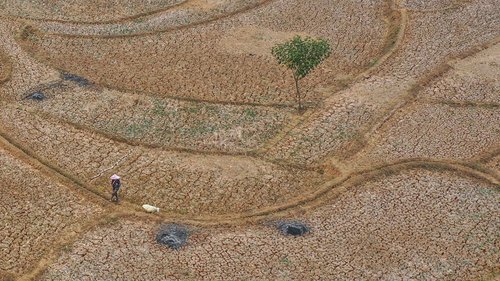
In the rain‑shadowed wilderness of Borneo, a new kind of fire has taken hold: a peatland blaze that stores more than 6,000 tonnes of carbon per hectare. Since early July, fire has ravaged 200,000 hectares of forest and farmland, releasing a surge of carbon dioxide, methane and toxic smoke across the island, and casting a haze over Singapore, Manila and Kuala Lumpur.
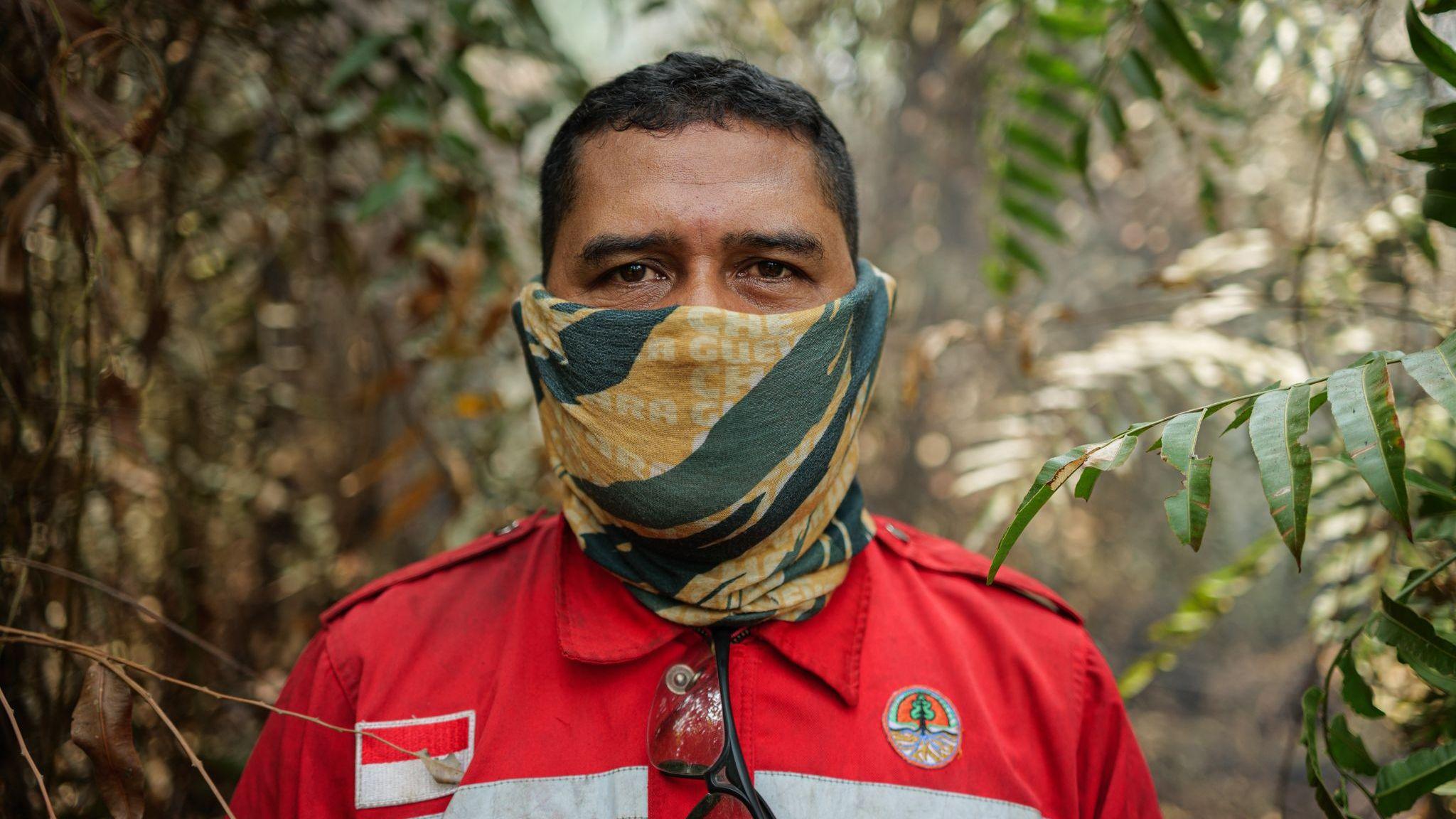
Local volunteer firefighter Fahrin Ramadhianto, 35, has spent more than a month breathing the smoke in the heat of Banjarbaru, an area literally smouldering under a choking cloud. “Every time you breathe, it hits your nose and makes your eyes burn,” he says. He describes the smell as “decaying wood being burned” – the signature scent of peat burning deep in the earth.
These ‘carbon bombs’ are a legacy of Indonesia’s post‑Suharto era, when vast swaths of rainforest were cut for palm oil plantations and mining. Dr. Nisa Novita of the conservation NGO YKAN explains that the deep, water‑logged peat stores carbon for millennia, but when the soil dries and ignites, all that stored carbon can be released in a single, rapid burst.
The Toxic Cloud
Health officials have recorded over 50,000 cases of respiratory infection linked to the haze, including more than 12,000 children under five. Across Indonesia and neighbouring countries, air‑quality indices have spiked to “unhealthy” levels, and hospital admissions for asthma, bronchitis and eye irritation have surged.
Dr. Susan Page of the University of Leicester notes that the tiny particulate matter and carbon monoxide from the fires can penetrate deep into the lungs, leaving lasting damage to cardiovascular and respiratory health.
The Front Line
Volunteer firefighters face a daunting task: they must flood the dry peat to make the fires extinguishable. “It has to become like porridge, so it can stop the underground flames,” Sujatmoko explains. They dig ponds, carve canals and drill bore‑wells, all while the smoke tastes of burning wood and turns their clothes blue.
In recent weeks at least two volunteers in Central Kalimantan have died after collapsing from the harsh conditions. Yet the courageous men and women keep working, sleeping in the shadows of the flames, hoping for the first downpours.
Additional reporting by Faisal Irfani from BBC Indonesian.
Sources: BBC News, 6 September 2024, “The volunteers risking their lives to defuse Indonesia’s wildfire ‘carbon bombs’.”