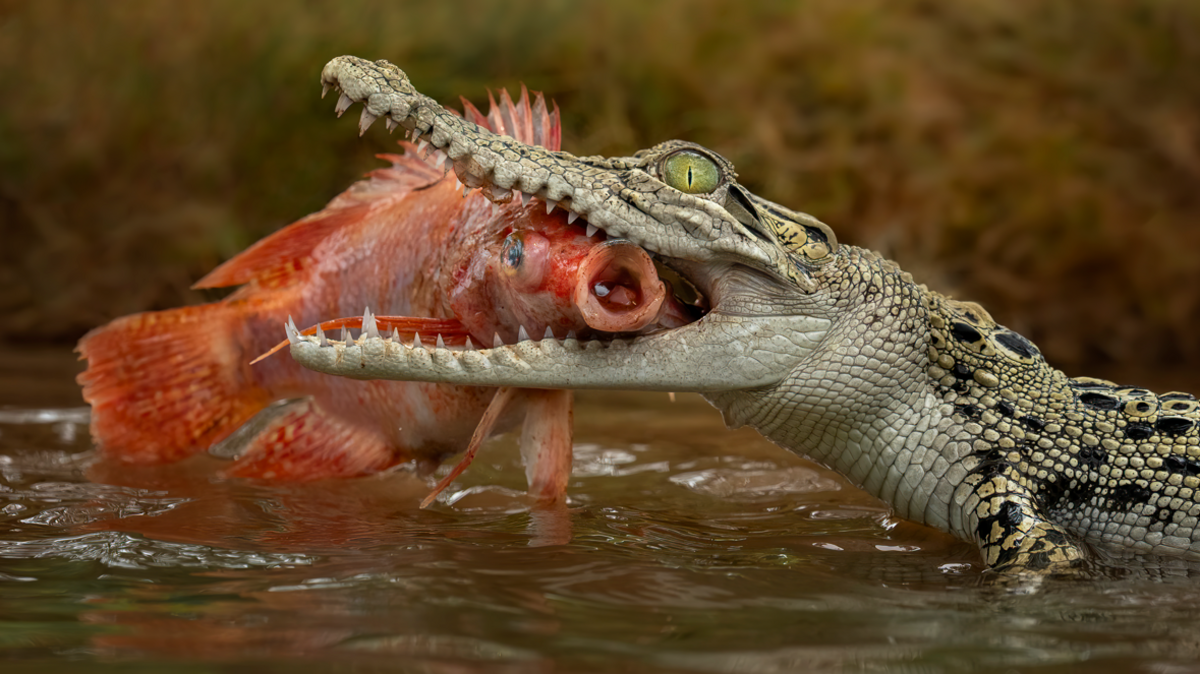
Police in Singapore have charged a man who is accused of posting an AI‑generated image of a saltwater crocodile in a popular reservoir.
Ye Lin, a 28‑year‑old from Myanmar, faces charges of communicating a false message and obstructing the course of justice after he deleted the picture and the application used to create it.
The doctored image caused widespread public concern. Less than a month earlier, the national water agency had suspended all sporting and recreational activities at the Pandan Reservoir after receiving reports of a crocodile sighting.
According to a court hearing, Ye Lin told the magistrate through an interpreter that he intended to plead guilty. He was originally accused of creating the image using artificial‑intelligence software and then sending it to a colleague.
“The man subsequently deleted the image and the related application in an attempt to conceal his actions,” the police statement read.
The case is set to return to court in November. If found guilty, Ye Lin could face up to seven years in jail and a hefty fine. In Singapore, sending a false message carries a maximum penalty of three years’ imprisonment and a penalty of up to S$10,000 (about US$7,800). Obstructing justice can lead to up to seven years’ imprisonment, a fine or both.
The incident illustrates how quickly digital misinformation can prompt real‑world responses and underscores the serious legal repercussions for those who weaponise AI to create fake content.