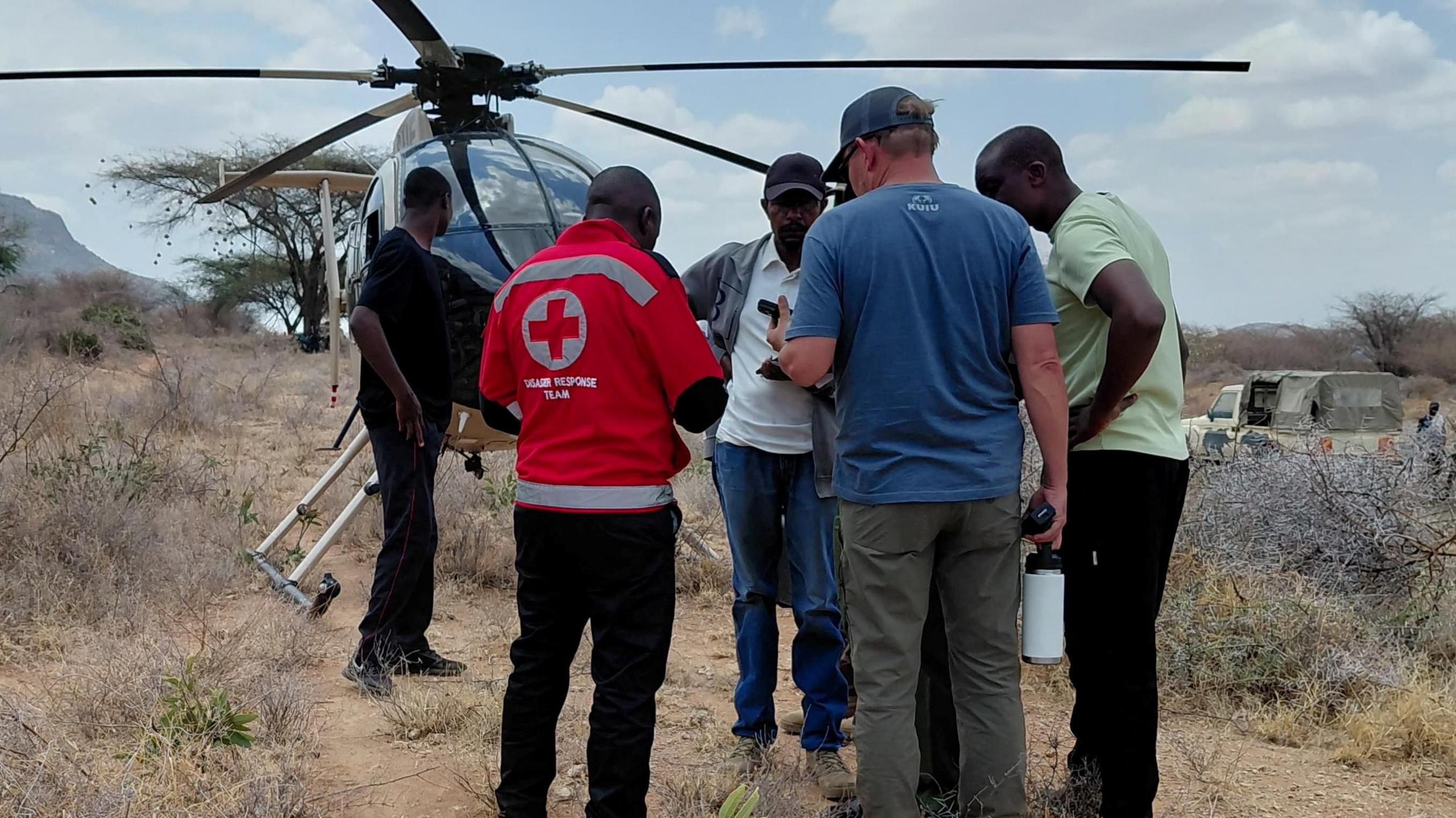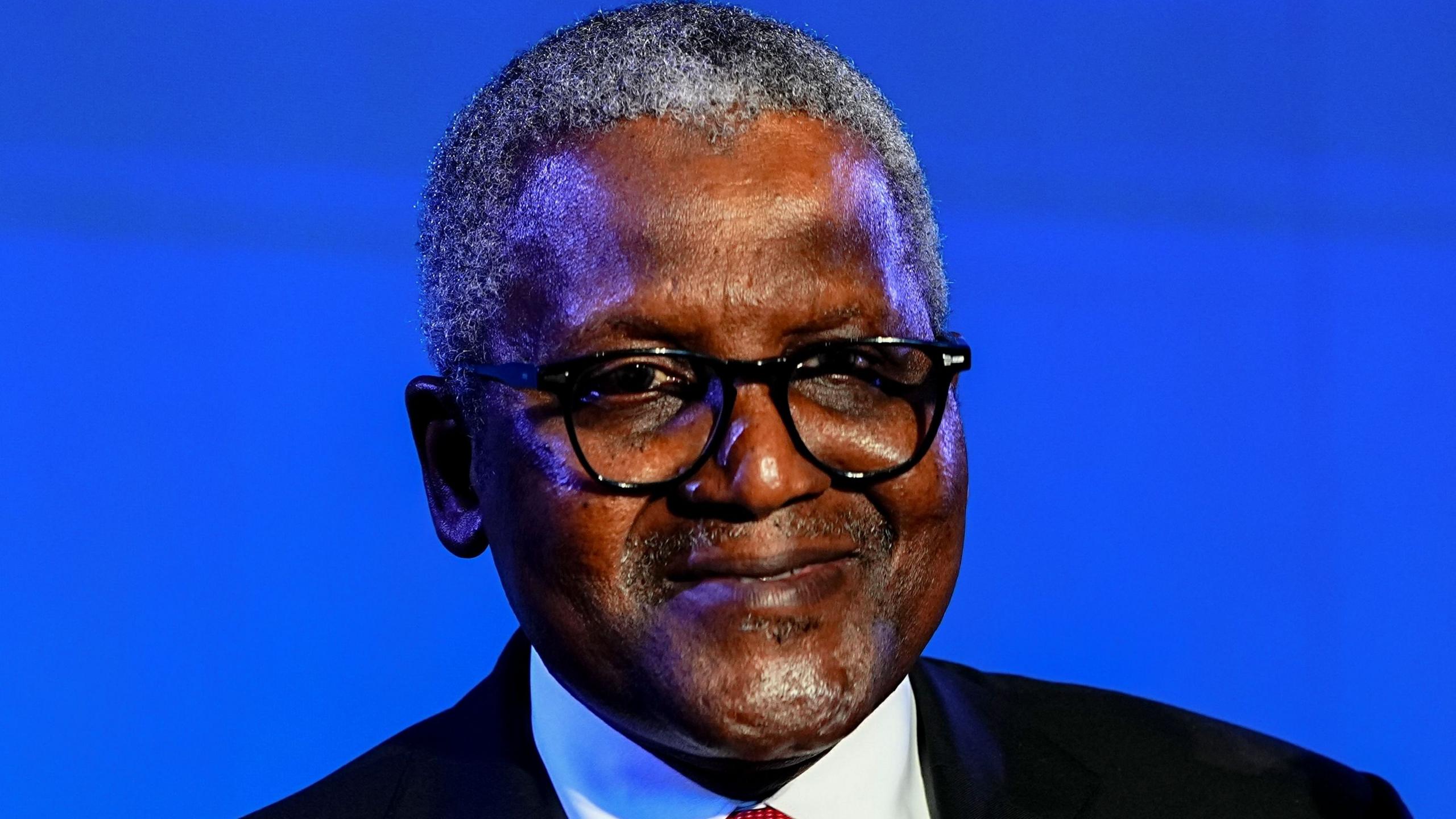
Nigerian billionaire Aliko Dangote and Kenya’s President William Ruto are set to break ground on a 16 bn dollar (£12 bn) oil refinery in Lamu, on Kenya’s northern coast. Upon completion, the refinery is expected to process 700,000 barrels of crude oil a day, making it East Africa’s largest industrial project by capacity.
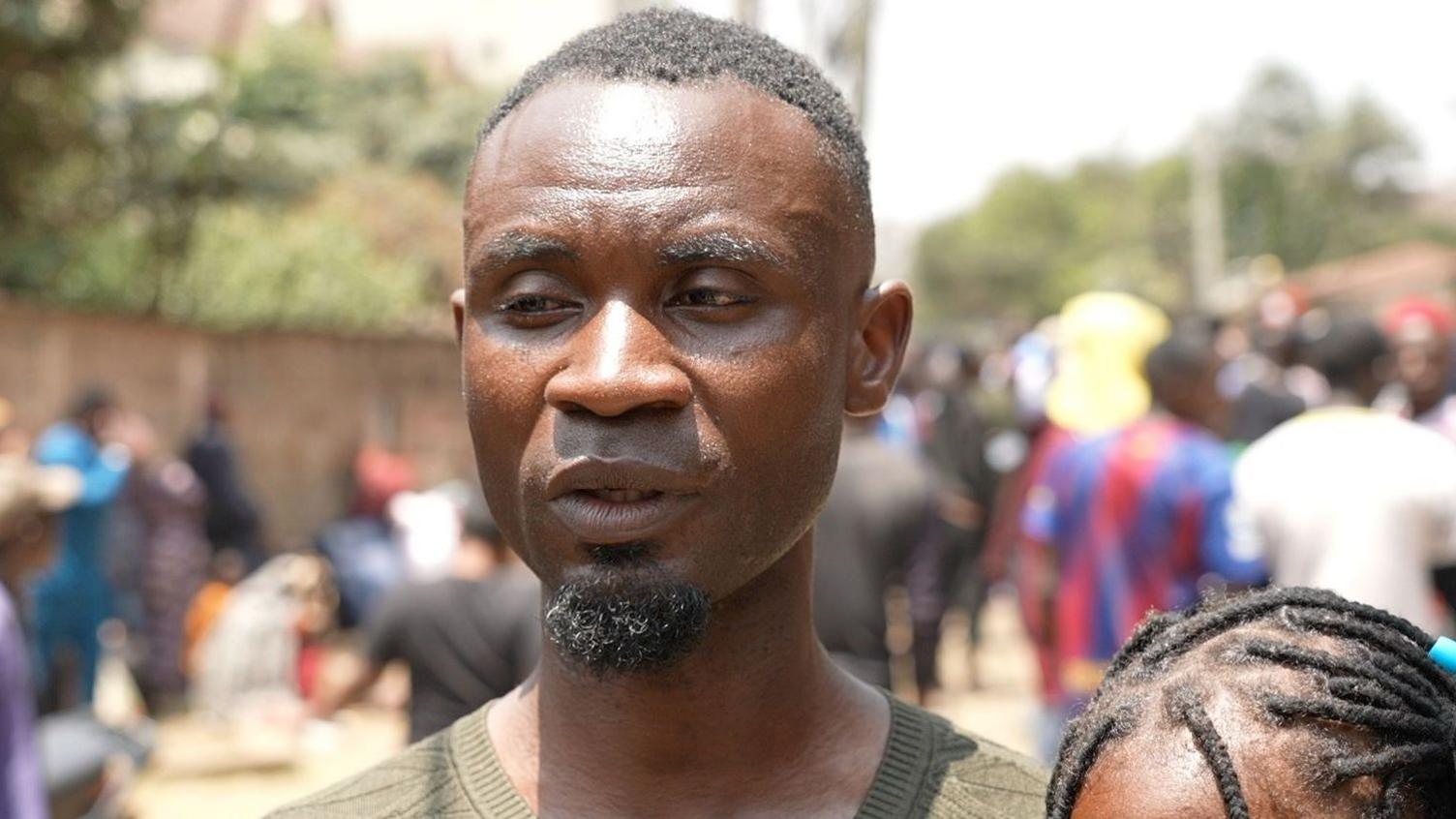
Before the launch, local residents marched demanding higher compensation for the land used for the refinery. Dangote dismissed the protests as “games played by local marketers and international players,” insisting the project would go ahead and be operational by 2030.
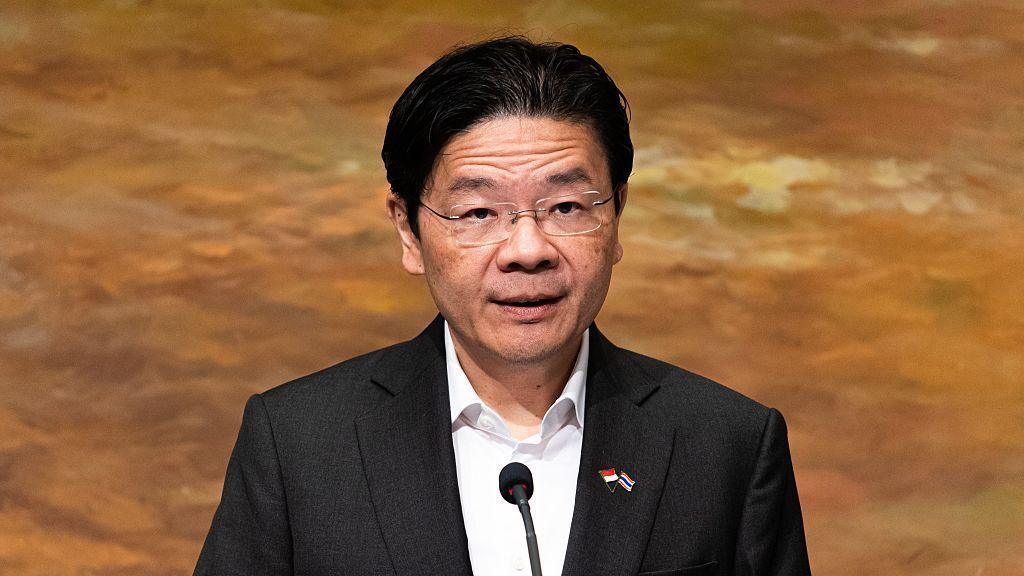
Lamu refinery represents Kenya’s biggest infrastructure project since independence, surpassing the $5.1 bn (£3.9 bn) Standard Gauge Railway. East Africa has no existing oil refineries, sparking debate over the choice of a non‑oil‑producing country as host. Kenya’s Energy Minister Opiyo Wandayi said the refinery would rely on market‑sourced crude, not local production.
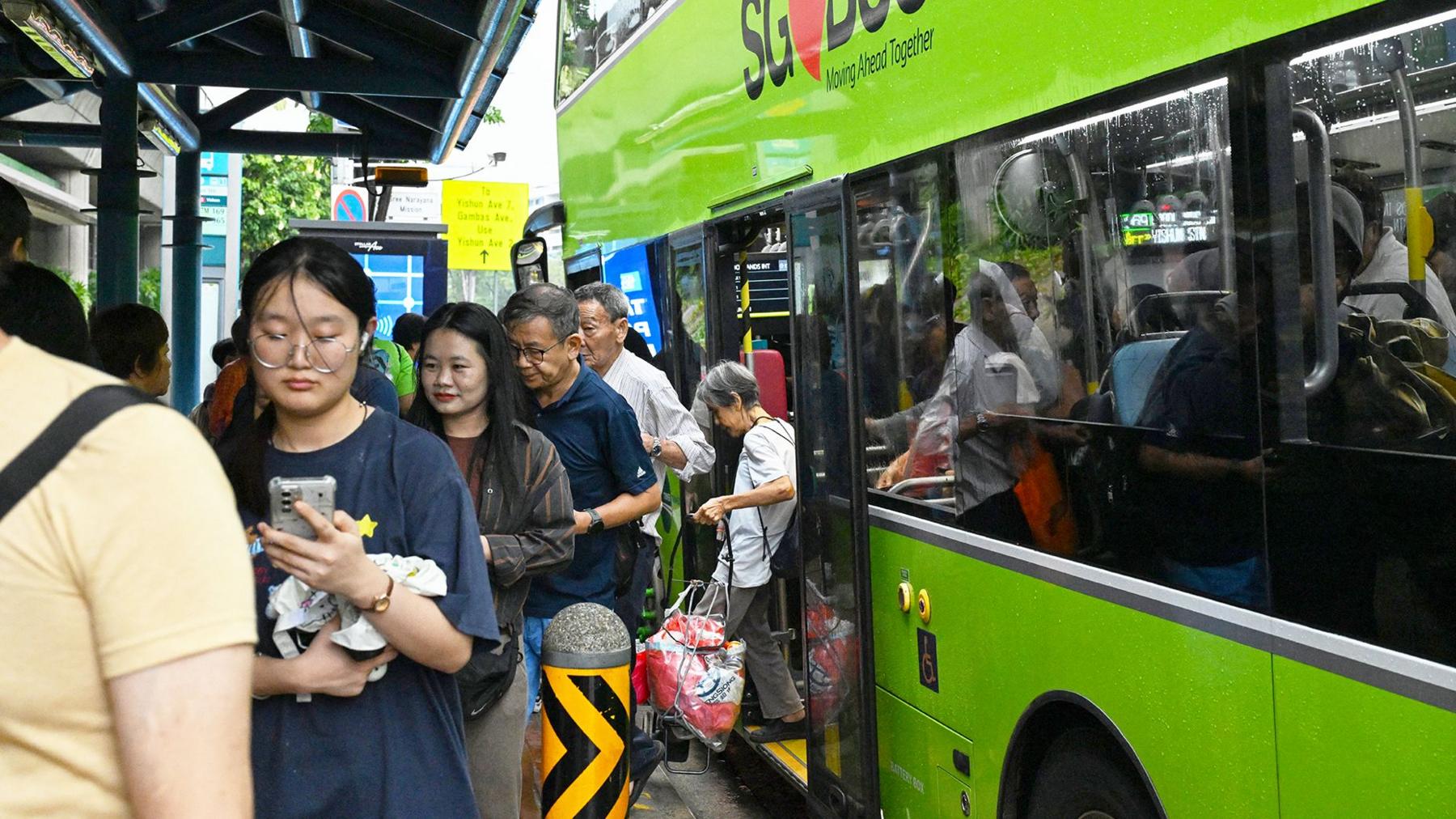
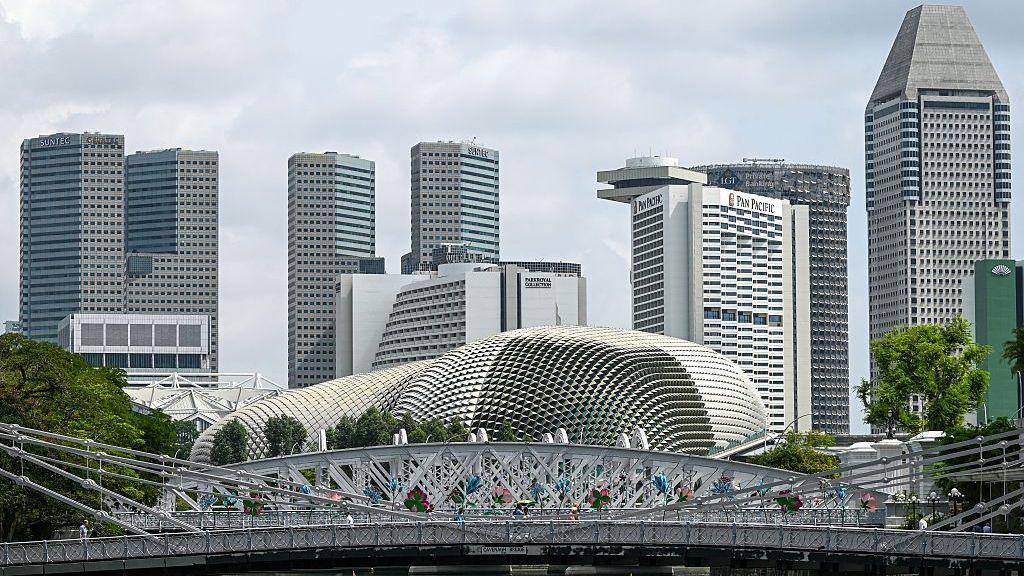
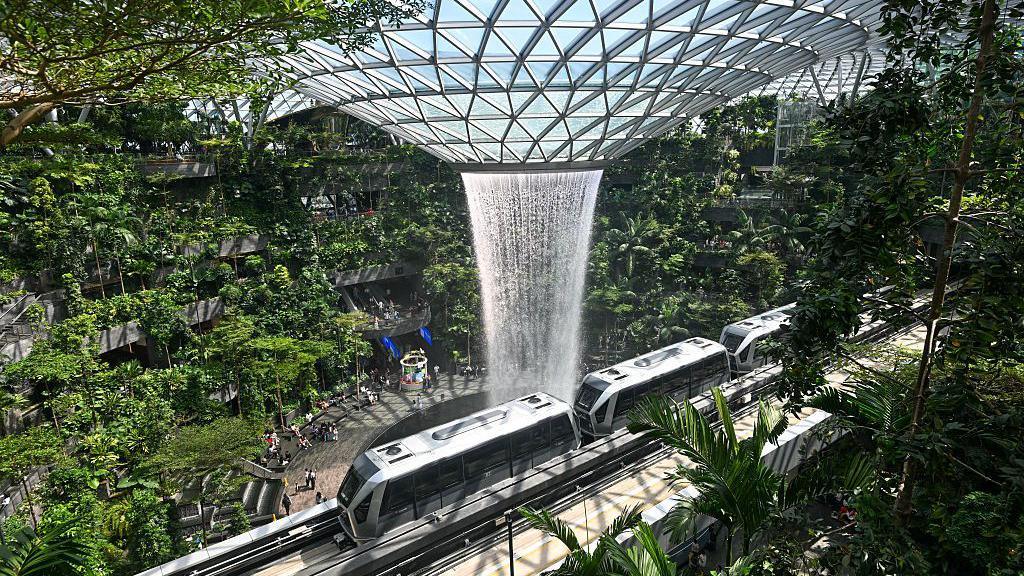
Dangote highlighted Singapore as a parallel, noting the city refines oil without domestic production. He also announced the facility will include a 1,000‑megawatt power plant to support both his operations and other local industries, a move he claims will plug a critical energy constraint hindering African industrialisation.
The refinery, whose construction will start on 1 November, is part of Dangote’s broader plan to develop 10,000 MW of power across Africa by 2030, a figure that could double if demand grows. Dangote’s Lamu project, mirroring the capacity of his Nigerian refinery, aims to generate 60,000 jobs, with benefits extending beyond direct employment.