In brief
Shein is preparing for a Hong Kong stock market debut on 1 September, offering 280 million shares at a price range that could value the company at almost $27 billion. The fast‑fashion retailer, backed by Goldman Sachs, Morgan Stanley and JP Morgan, will raise up to HK13.86 billion ($1.77 billion) despite a steep decline from its 2022 $100 billion valuation. Earlier this year, the company posted a quarterly loss amid weaker sales growth and rising costs, and continued scrutiny over its supply chain and environmental impact.
Shein aims for almost $27bn valuation in 1 September stock market debut
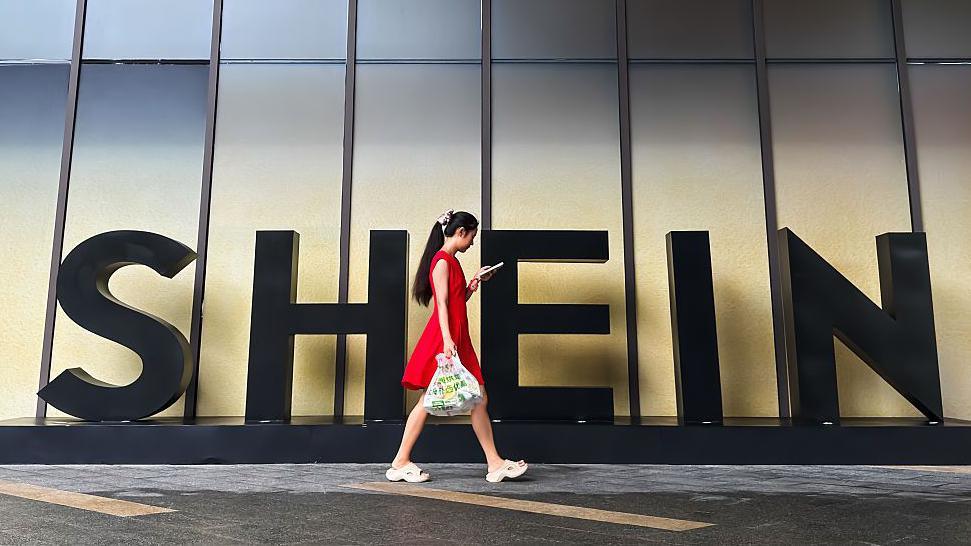
Fast‑fashion giant Shein says it plans to raise up to HK13.86bn (£1.3bn; $1.77bn) when its shares start trading on the Hong Kong stock market on 1 September.
In a filing on Monday, Shein said it will offer nearly 280 million shares for between HK$47.60 and HK$49.50. At the top of the range, it would value the firm at almost $27 billion (£19.8 billion). That is well below the $100 billion valuation reached in a 2022 private fundraising round, reflecting weaker sales growth and higher costs.
The long‑awaited move to the public markets follows failed attempts to list in the US and London, where regulatory challenges amid scrutiny of Shein’s operations stalled the process. The company is headquartered in Singapore but was founded in China.
The IPO is being backed by Wall Street investment giants Goldman Sachs, Morgan Stanley and JP Morgan.
Earlier this month, Shein reported a quarterly loss as its sales slowed after the US removed a duty exemption on small packages under a recent trade action. The firm lost $99 million in the first three months of the year, compared with a net income of $395 million a year earlier.
Uncertainty also remains over the paused US‑China tariff war, which could impact the retailer’s global supply chain.
Since its founding in 2008, Shein has become one of the world’s biggest fast‑fashion retailers, serving customers in more than 150 countries. The e‑commerce giant is known for ultra‑cheap clothes, backed by a vast network of Chinese factories that can rapidly produce new products based on the latest trends.
Shein’s revenues have far outstripped rivals such as H & M and Zara. However, concerns about the environmental impact of its fast‑fashion model and allegations of forced labour in its supply chains have marred the brand. Shein has previously stated it maintains "zero tolerance for forced labour".
The company’s failed attempt to list on the London Stock Exchange collapsed after scrutiny over its refusal to answer questions about its supply chain practices.