In brief
The BBC Global Disinformation Unit has traced a wave of mob violence across six African countries, sparked by rumours that men can ‘steal’ or cause the disappearance of another’s genitals with a mere touch. The story began in the Democratic Republic of Congo in 2025 and spread to Tanzania, Zambia, Mozambique, Kenya and Malawi, costing more than 80 lives, including police officers, health workers and civilians. Victims such as Boniface Mgala in Tunduma have been attacked and left for dead while police and community leaders work to counter the myth. Social‑media platforms TikTok and Facebook have shared videos of assaults, leading to calls for the content to be taken down. Governments in Mozambique and Kenya have warned that such misinformation can “easily lead to loss of life” and have begun police patrols and public education campaigns to counter the rumours.
Deadly African mobs: false rumours that men stole genitals spark violence
More than 80 people have been killed between October 2025 and July this year in a wave of attacks fueled by a shockingly absurd claim: a simple tap on a man’s shoulder can cause his genitals to shrink or vanish. The BBC Global Disinformation Unit has traced the deaths to rumours that spread first in the Democratic Republic of Congo in August 2025 and then across Tanzania, Zambia, Mozambique, Kenya and Malawi.
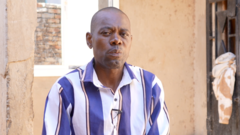
In April 2026, Tanzanian mechanic Boniface Mgala and a friend were pulled from a restaurant in Tunduma after men shouted, “We stole someone’s genitals!” The mob beat and left Mgala for dead. He survived, but his friend, still in hospital, later died. The incident led to a scar on his head, multiple injuries, and an ongoing limp. Mgala’s story was captured in a video that now has been viewed over 100,000 times on TikTok and Facebook.
The rumours echo age‑old witchcraft fears that persist in parts of Africa. However, the speed and scale of spread are new, thanks to social‑media platforms that replicate the claims with striking immediacy. Videos of men shouting that their body parts have disappeared, crowds demanding restitution, and mobs violently attacking the accused have circulated widely, often accompanied by “charms” that are marketed as protection against genital theft.
The BBC Disinformation Unit verified many of the assault videos and reported that they were ‘ongoing and real’ in several locations. Authorities in Mozambique, for instance, received reports of 55 deaths in six weeks, including a police officer, health workers and civil servants. The government announced it had found no medical evidence supporting the claim that anyone’s genitals had disappeared.
In Kenya’s coastal towns of Kwale and Mombasa, five people died after mobs attacked men alleged to have stolen body parts. Mombasa County Commissioner Mohamed Noor blamed some social‑media creators for stoking the violence, describing the rumours as propaganda for increased viewership. Police have since made several arrests, sentencing a father and son to one‑year prison terms.
International reaction has been swift. A BBC Public Affairs spokesperson said it was reviewing content that violated its policies and would take action against violations. Social‑media platforms have yet to respond in full; TikTok’s response remains pending.
Experts such as author Julien Bonhomme argue that the problem is not just false statements but the credibility of videos showing attacks, which can make rumours convincingly real. He notes that this is one of the most significant differences between the digital age and earlier outbreaks of misinformation.
In the meantime, community leaders in Tunduma and beyond are urging caution, dismissing the rumours for the first time after multiple casualties. Yet the scars—physical, social and psychological—remain, haunting survivors like Mgala, who still struggles daily with the trauma of having been attacked for a claim with no factual basis.