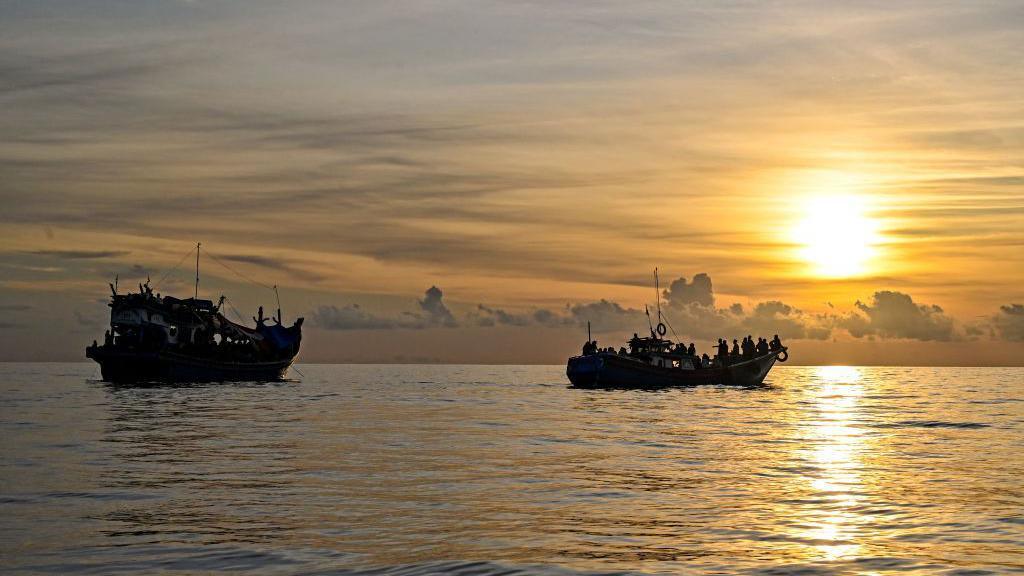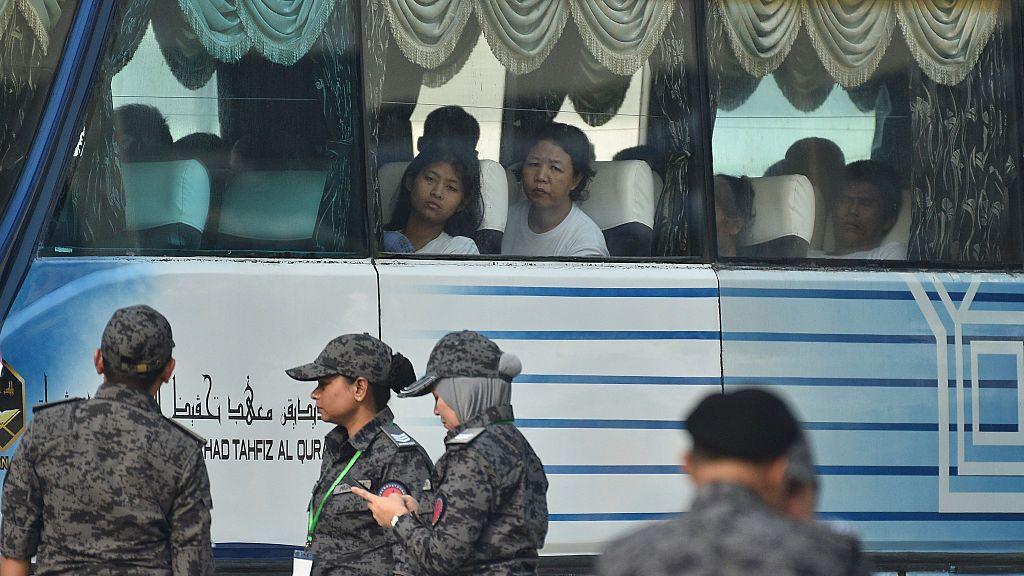
Malaysia has begun repatriating around 5,000 asylum seekers from Myanmar under a controversial deal with the country’s military leadership. Three navy ships are set to leave Kuala Lumpur later today carrying the first 1,476 returnees.
Human‑rights groups have condemned the move, warning that the returnees could face violence, persecution and forced conscription into the Myanmar army. Malaysia insists the repatriation is voluntary, but it has barred UN agencies from seeing or screening the migrants, who are held in detention centres.
Prime Minister Anwar Ibrahim said the program will largely involve Rohingya Muslims—an persecuted minority in Myanmar who fled in mass to Malaysia after being expelled from Rakhine State. He justifies the policy as a response to growing public hostility towards the Rohingya community while noting he has no other choice than to negotiate with Myanmar over their return.
This marks a stark reversal in Malaysia’s stance. Earlier, Anwar, a former political prisoner, positioned himself as a defender of human rights and a proponent of greater assistance for Rohingya refugees. Under him, Malaysia has refused to recognise the Myanmar military regime and has championed a negotiated resolution to the civil war.
Several factors explain the shift. Economic pressure on lower‑income Malaysians after the Covid pandemic has intensified resentment of the Rohingya population, and the political upheavals since 2018—when the long‑ruling UMNO party was ousted—have left Malaysia’s coalition government fragile and under mounting scrutiny.
In spite of his past advocacy for humane treatment, Anwar has acknowledged that “they have become a burden” for the country and insists on their expulsion. Critics accuse him of abandoning his principles, citing instances of abuse in immigration detention facilities.
Rohingya refugees face a bleak future if returned. They are not recognised as citizens in Myanmar, cannot travel freely within the country, and are confined to Rakhine State—a region largely controlled by the insurgent Arakan Army and subject to continuous artillery fire. The sole feasible destination, Sittwe, is besieged and its camps are severely lacking food and medicine. Moreover, men among the returnees risk compulsory enlistment in the Myanmar army to fight in ongoing conflicts.
Neither Malaysia nor Myanmar has detailed how these obstacles will be overcome or how the repatriation will adhere to humanitarian principles. Rights advocates demand that the people affected by this decision be listened to, respected and treated with dignity.