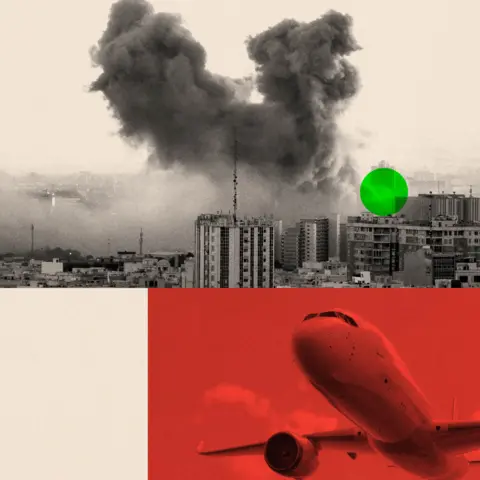
It was once a humble outpost in global aviation, a refueling stop for flying boats bound for the far corners of the British Empire. Fast forward to today; Dubai has emerged as a global aviation powerhouse, with Dubai International Airport (DXB) serving over 92 million passengers in a single year. However, the conflict in the Middle East has led to significant disruptions in this hub, causing massive flight cancellations and stranding travelers around the world. The region, known for its major carriers such as Emirates, Etihad, and Qatar Airways, faces an uncertain future as geopolitical tensions continue.
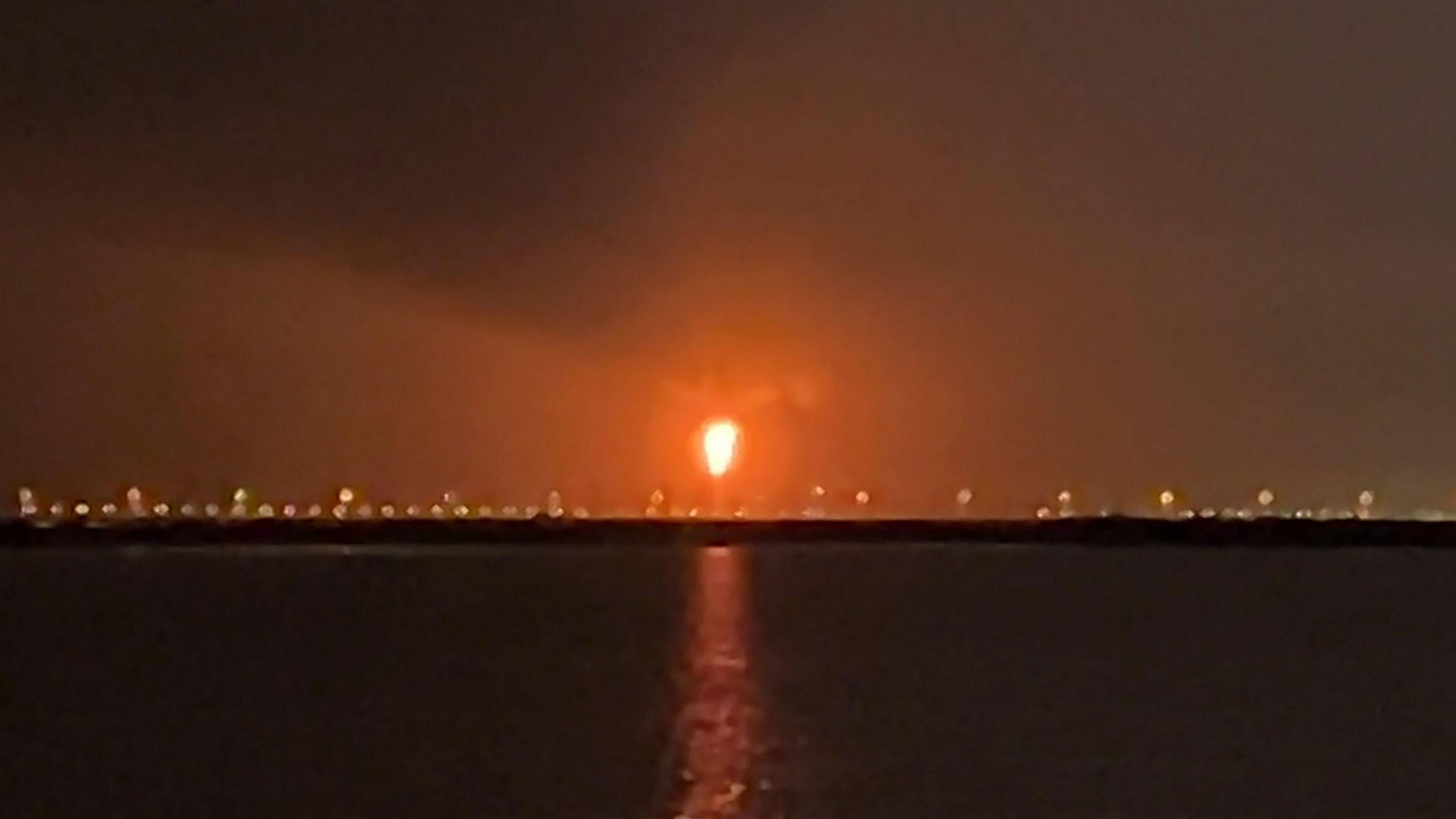
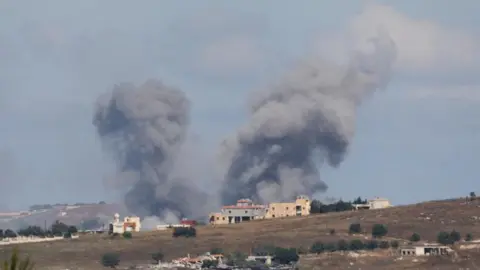
As of now, the Gulf airports are witnessing a substantial decline in operations due to the escalation of conflict, especially after the US-Israeli strikes on Iran. The airspace closure has grounded countless flights, disrupting hundreds of thousands of passengers' travel plans. Fuel supply issues further complicate matters, as disruptions in the Strait of Hormuz have led to soaring jet fuel prices, creating an environment where flights could become unaffordable.
Experts warn that if the current chaos continues, the impacts could extend beyond immediate disruptions, potentially altering the Gulf's aviation model—a model credited with revolutionizing long-distance air travel. Passengers may begin to favor alternative routes through Asia, jeopardizing the region’s position as a pivotal junction for connecting global travelers.
As travelers express discontent and anxiety over their experiences, the future remains hazy. Questions linger regarding whether the Gulf can maintain its reputation as a safe travel corridor and how quickly they can recover from this crisis. With variables fluctuating daily, there will likely be profound implications for airlines and travelers alike as the situation continues to unfold.
As of now, the Gulf airports are witnessing a substantial decline in operations due to the escalation of conflict, especially after the US-Israeli strikes on Iran. The airspace closure has grounded countless flights, disrupting hundreds of thousands of passengers' travel plans. Fuel supply issues further complicate matters, as disruptions in the Strait of Hormuz have led to soaring jet fuel prices, creating an environment where flights could become unaffordable.
Experts warn that if the current chaos continues, the impacts could extend beyond immediate disruptions, potentially altering the Gulf's aviation model—a model credited with revolutionizing long-distance air travel. Passengers may begin to favor alternative routes through Asia, jeopardizing the region’s position as a pivotal junction for connecting global travelers.
As travelers express discontent and anxiety over their experiences, the future remains hazy. Questions linger regarding whether the Gulf can maintain its reputation as a safe travel corridor and how quickly they can recover from this crisis. With variables fluctuating daily, there will likely be profound implications for airlines and travelers alike as the situation continues to unfold.