US President Donald Trump has announced that the leaders of Israel and Lebanon have agreed to a 10-day ceasefire, effective from April 16. The weeks leading up to this announcement saw escalating tensions, particularly involving the Iran-backed militant group Hezbollah, which Israel has exchanged fire with over the past six weeks.
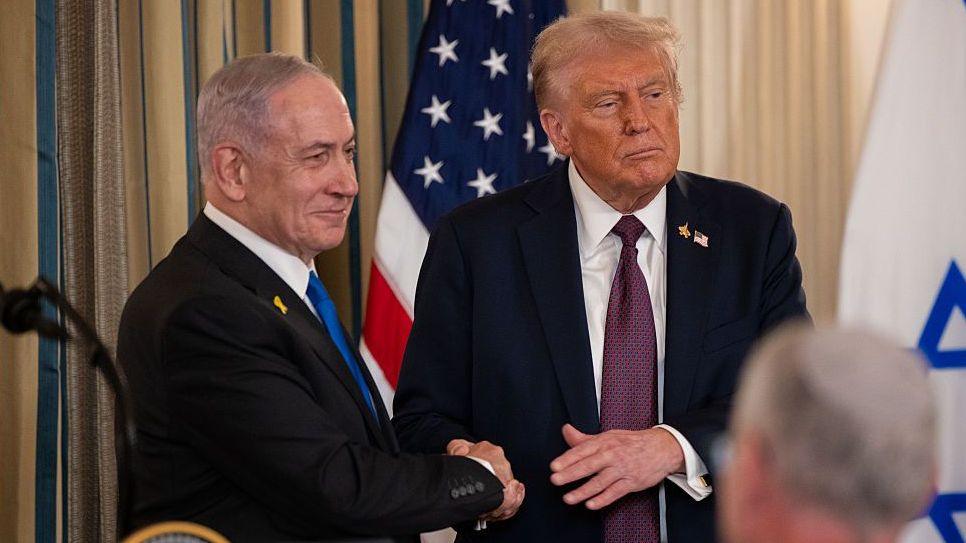
Following the ceasefire declaration, Trump urged Hezbollah to comply, stating, I hope Hezbollah acts nicely and well during this important period of time. He has also extended invitations to both Israeli Prime Minister Benjamin Netanyahu and Lebanese President Joseph Aoun for further discussions at the White House.
The ceasefire's terms include a potential extension should negotiations progress favorably. The agreement stipulates that Israel retains the right to self-defense, while Lebanon must take steps to prevent any attacks from Hezbollah and other non-state groups. Israel and Lebanon also requested ongoing US facilitation for their direct talks.
What does the agreement say?
As per the details released by the US State Department:
- Israel reserves its right to defend itself against planned, imminent, or ongoing attacks.
- Lebanon must make significant efforts to prevent Hezbollah from carrying out attacks.
- Lebanon's security forces are responsible for the nation’s security.
- Ongoing US involvement is expected to advance negotiations on outstanding issues.
This agreement is being viewed as a goodwill gesture by Israel aimed at enabling meaningful negotiations towards a long-term peace agreement.
Responses from Leaders
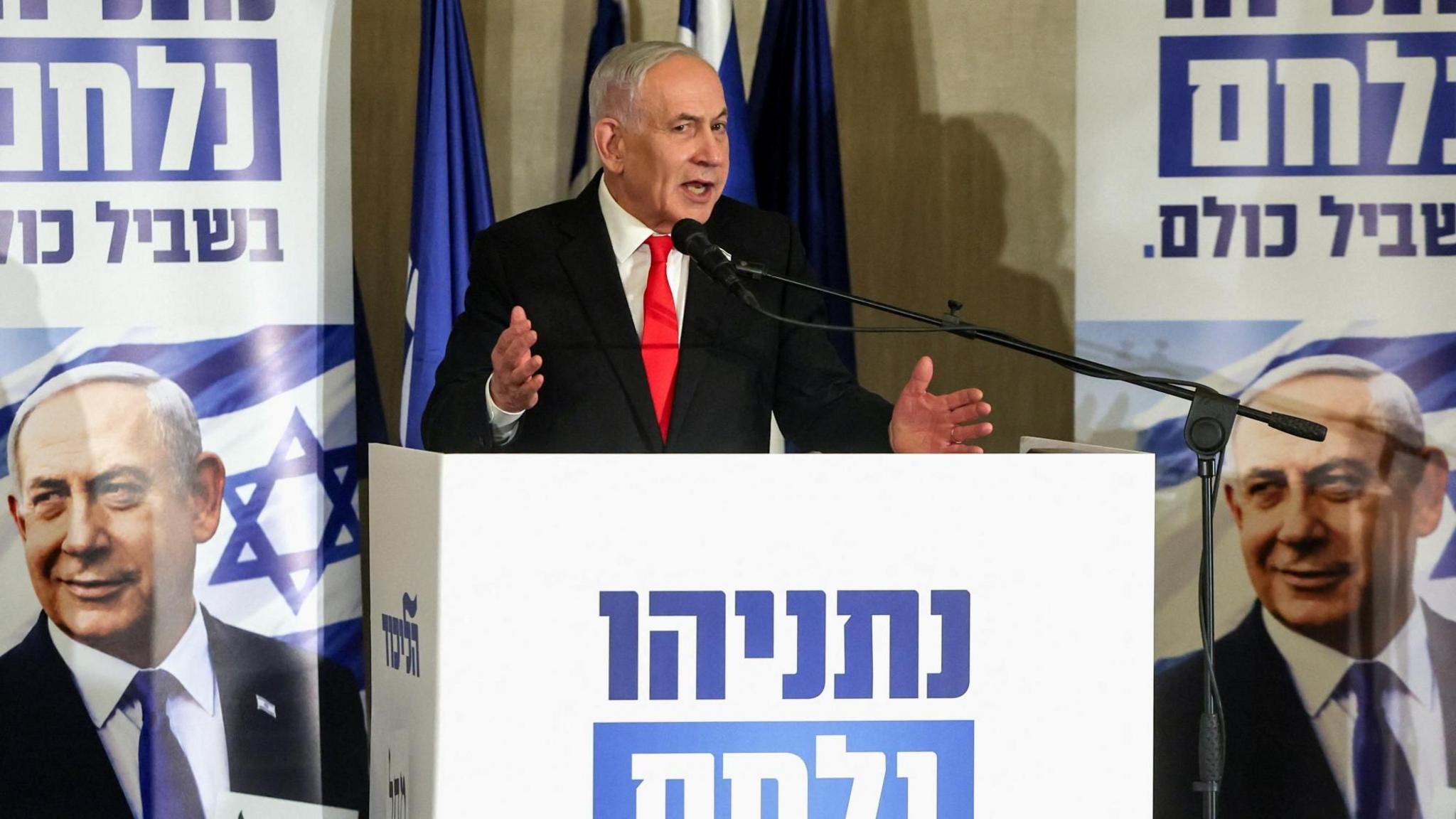
Netanyahu expressed optimism about the ceasefire as an opportunity to forge a historic peace, while Lebanese Prime Minister Nawaf Salam hopes it will allow displaced individuals to return home. Hezbollah has indicated conditional participation in the ceasefire, demanding a complete halt to attacks from Israeli forces.
Iran's foreign ministry has endorsed the ceasefire and expressed solidarity with Lebanon, while the UN Secretary-General praised the US's role in its facilitation.
Despite the ceasefire, Netanyahu announced that Israeli forces would remain positioned in a 10km buffer zone in southern Lebanon, emphasizing its necessity for national security against possible invasions.
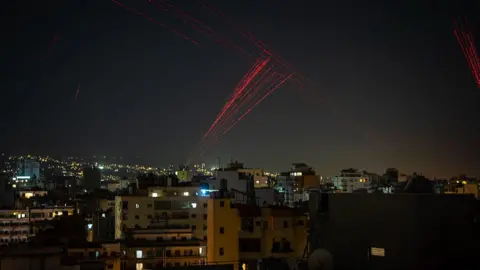
This ceasefire follows a period of intense conflict, with over 2,100 reported casualties in Lebanon since March 2, and ongoing retaliatory strikes from both sides, showcasing the fragile and complex nature of the Middle East tensions.