As news of the ceasefire spread through Israel's northern communities, sirens blared three times this evening warning of incoming rockets from Lebanon.
In the sky above the northern city of Nahariya, Israel's air defence interceptors shot up to block them, triggering loud explosions. Ambulance crews reported at least three people were wounded by shrapnel in the hours before the ceasefire took effect, including two seriously.
On the ground here – and across the country – there's scepticism about why Israel's leader has signed up to the truce.
I feel like the government lied to us, said Gal, a student in Nahariya. They promised that this time it would end differently, but it seems like we're once again heading toward a ceasefire agreement that solves nothing.
We gave the Lebanese government a chance and they failed to uphold the agreement; they didn't disarm Hezbollah, said Maor, a 32-year-old truck driver whose house was hit by a rocket last year.
If we don't do it, no one will. It's a shame they stopped. It seemed like there were significant achievements this time.
Israel has five army divisions in southern Lebanon, and only yesterday its chief army spokesman stated they would continue advancing.
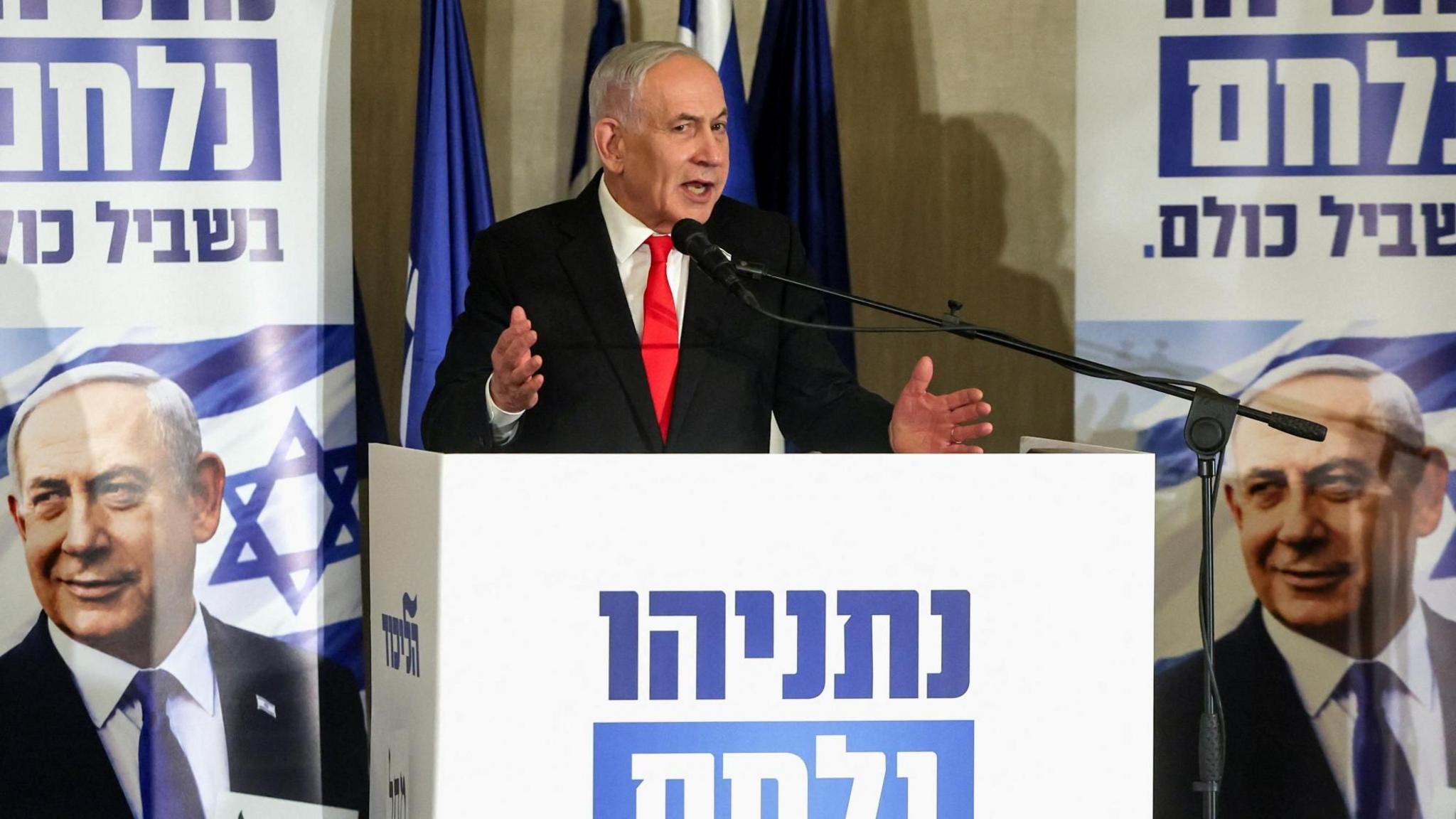
This ceasefire announcement has taken Israel by surprise, reportedly even within the government's own security cabinet.
A widely respected Israeli news outlet described Israeli Prime Minister Benjamin Netanyahu convening a security cabinet meeting with just five minutes notice, shortly before the ceasefire announcement was made. Leaks from that meeting indicate that ministers were not given a vote on the ceasefire.
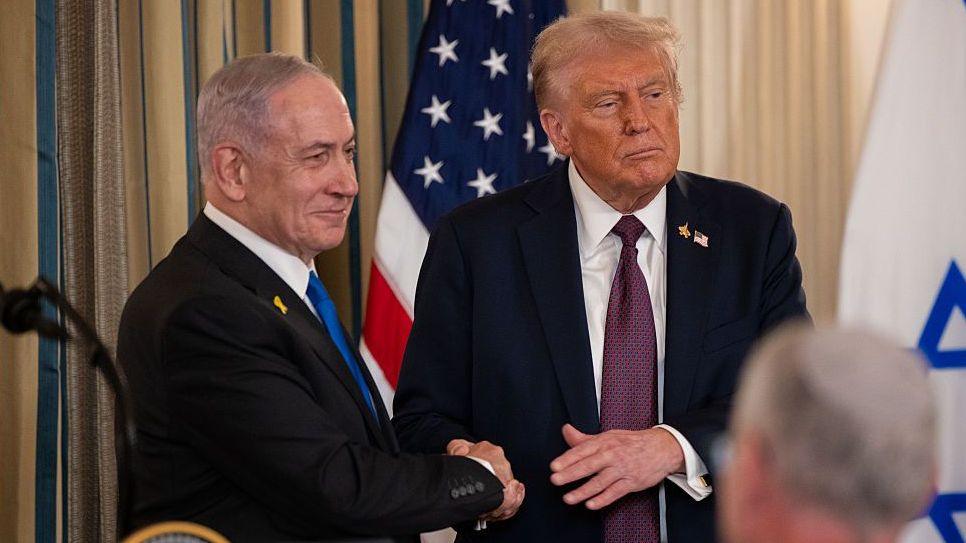
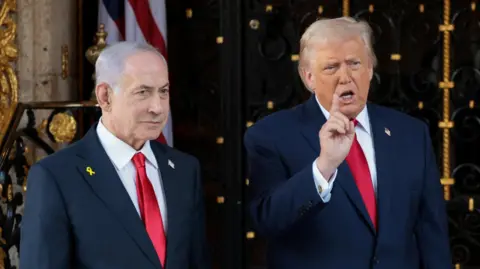
For many, this is another example of Netanyahu bowing to U.S. President Donald Trump's demands to halt fighting, even when the terms or timing are not what Israel wants.
Iran has been demanding an end to Israeli operations against its proxy group Hezbollah in Lebanon since agreeing to a two-week ceasefire with the U.S. earlier this month.
Both Netanyahu and Israel's military leaders have emphasized that the ceasefire Trump agreed upon with Tehran does not represent a halt in Lebanon.
Recent polls indicate that almost 80% of Israelis support continued strikes on Hezbollah and many oppose the two-week ceasefire Trump negotiated with Iran.
Overall, skepticism persists regarding whether this truce can genuinely bridge the ongoing conflict, with many feeling it merely reflects the pressure Israel faces to align with U.S. interests.