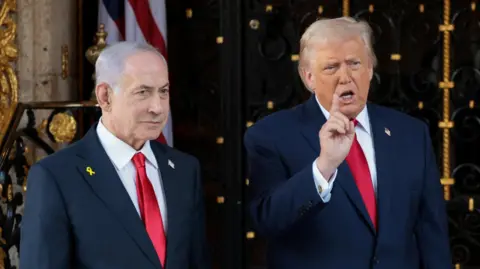
Trump's Lebanon ceasefire takes Israel by surprise
As news of the ceasefire spread through Israel's northern communities, sirens blared three times this evening warning of incoming rockets from Lebanon. In the sky above the northern city of Nahariya, Israel's air defense interceptors shot up to block them, triggering loud explosions. Ambulance crews reported at least three injuries due to shrapnel in the hours before the ceasefire took effect, including two serious injuries.
Amidst the ongoing violence, skepticism has gripped the nation. Residents voiced concerns over their government's decision to sign the truce. I feel like the government lied to us, said Gal, a student in Nahariya. They promised that this time it would end differently, but it seems like we're once again heading toward a ceasefire agreement that solves nothing. Another individual, Maor, a 32-year-old truck driver, shared similar sentiments, saying, We gave the Lebanese government a chance, and they failed to uphold the agreement; they didn't disarm Hezbollah. He further expressed frustration, stating, If we don't do it, no one will. It's a shame they stopped. It seemed like there were significant achievements this time.
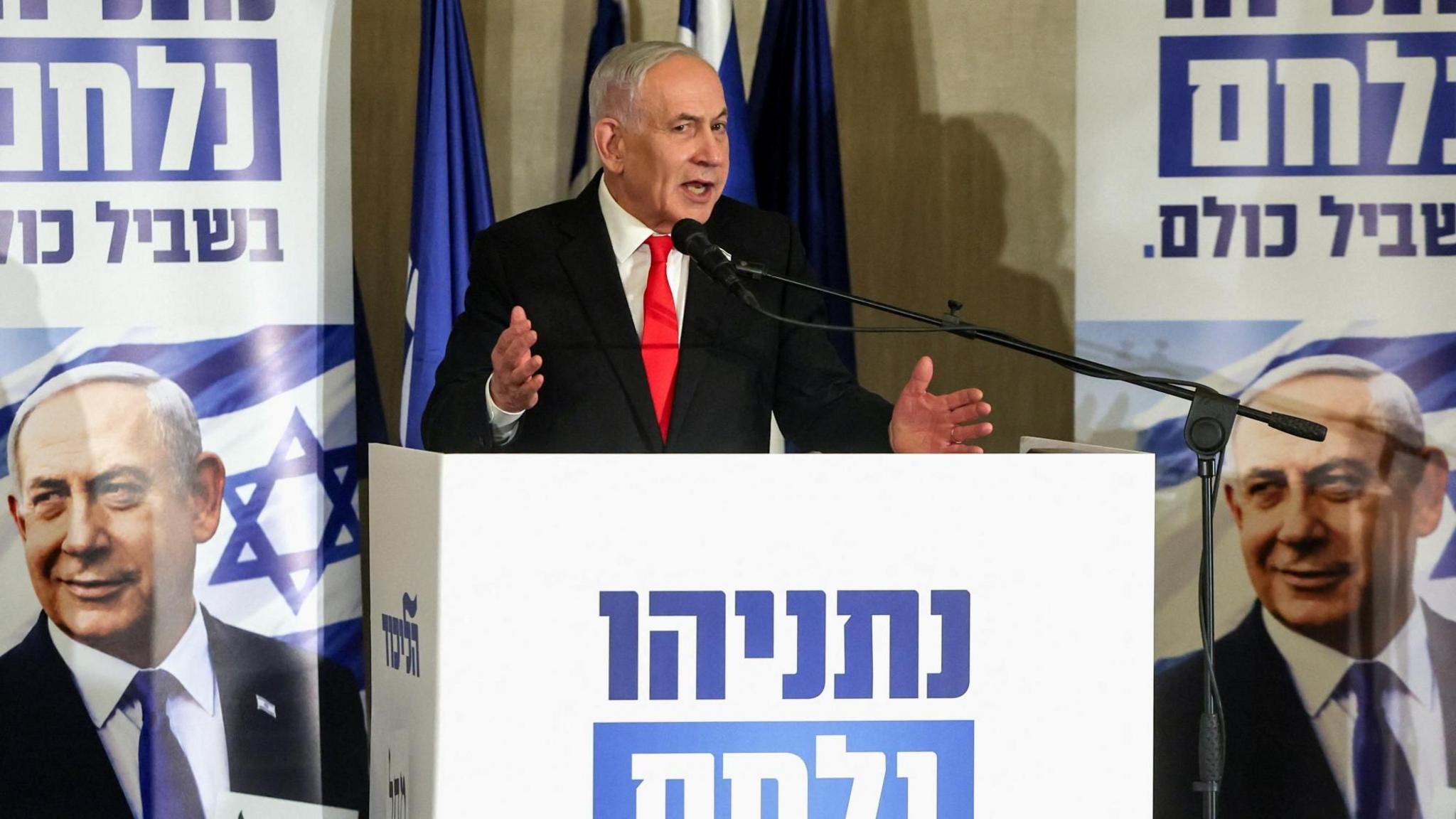
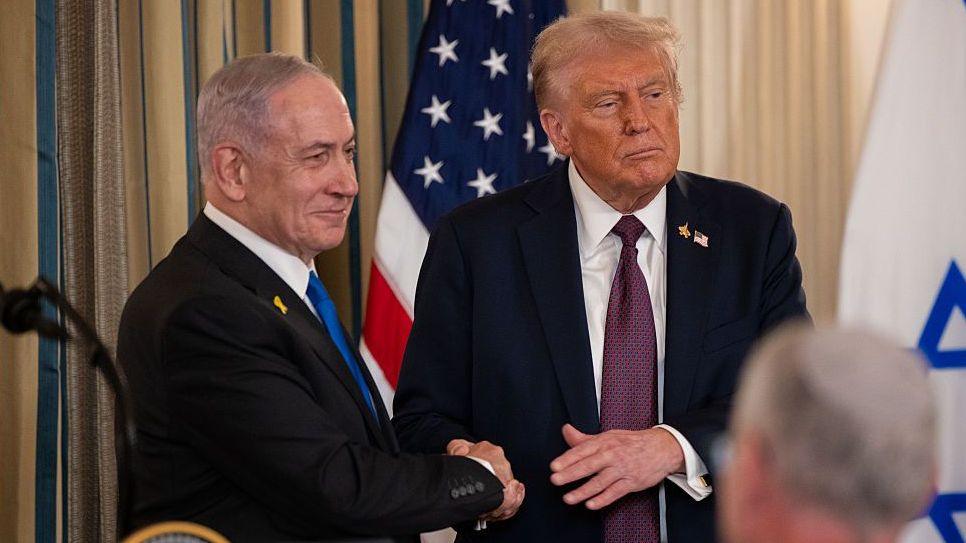
Reports indicate that Israeli Prime Minister Benjamin Netanyahu hastily convened a security cabinet meeting with only minutes’ notice before the announcement. Leaks suggest that ministers were not even allowed a vote on the ceasefire, reinforcing feelings among citizens that Netanyahu capitulated to U.S. pressure. The announcement of a ceasefire was a surprise even within the Israeli government, raising eyebrows towards Netanyahu's leadership amidst ongoing conflicts.
Despite framing the ceasefire as an opportunity for a historic peace agreement, Netanyahu asserted that he made no concessions regarding Israel's military position in Lebanon. Hezbollah's demands for a withdrawal of Israeli forces and a principle of 'quiet for quiet' were both rejected. Netanyahu disclosed, These two conditions are not being met. We are remaining in Lebanon in a thickened security zone […] We are there, and we are not leaving. The Israeli populace remains largely unconvinced that this truce provides a viable resolution to the conflict with Hezbollah.
Adding to the complexity, both Netanyahu and military leaders emphasized that U.S.-led negotiations and the ceasefire arranged with Iran were not equivalent to a ceasefire in Lebanon, with a significant proportion of Israelis expressing support for continued military action against Hezbollah. A Channel 12 poll indicated that approximately 80% of respondents favored ongoing strikes against the group.
The ongoing conflict has raised questions of U.S. influence over Israel's military actions, with local leaders arguing against international interventions that compromise national security. Agreements may be signed with a tie in Washington, but the price is paid in blood and destroyed homes in northern Israel, lamented Moshe Davidovich, head of the Mateh Asher Regional council, echoing concerns among citizens who feel they are pawns in international diplomacy. As the ceasefire unfolds, many Israelis remain wary of its implications for their safety and sovereignty.