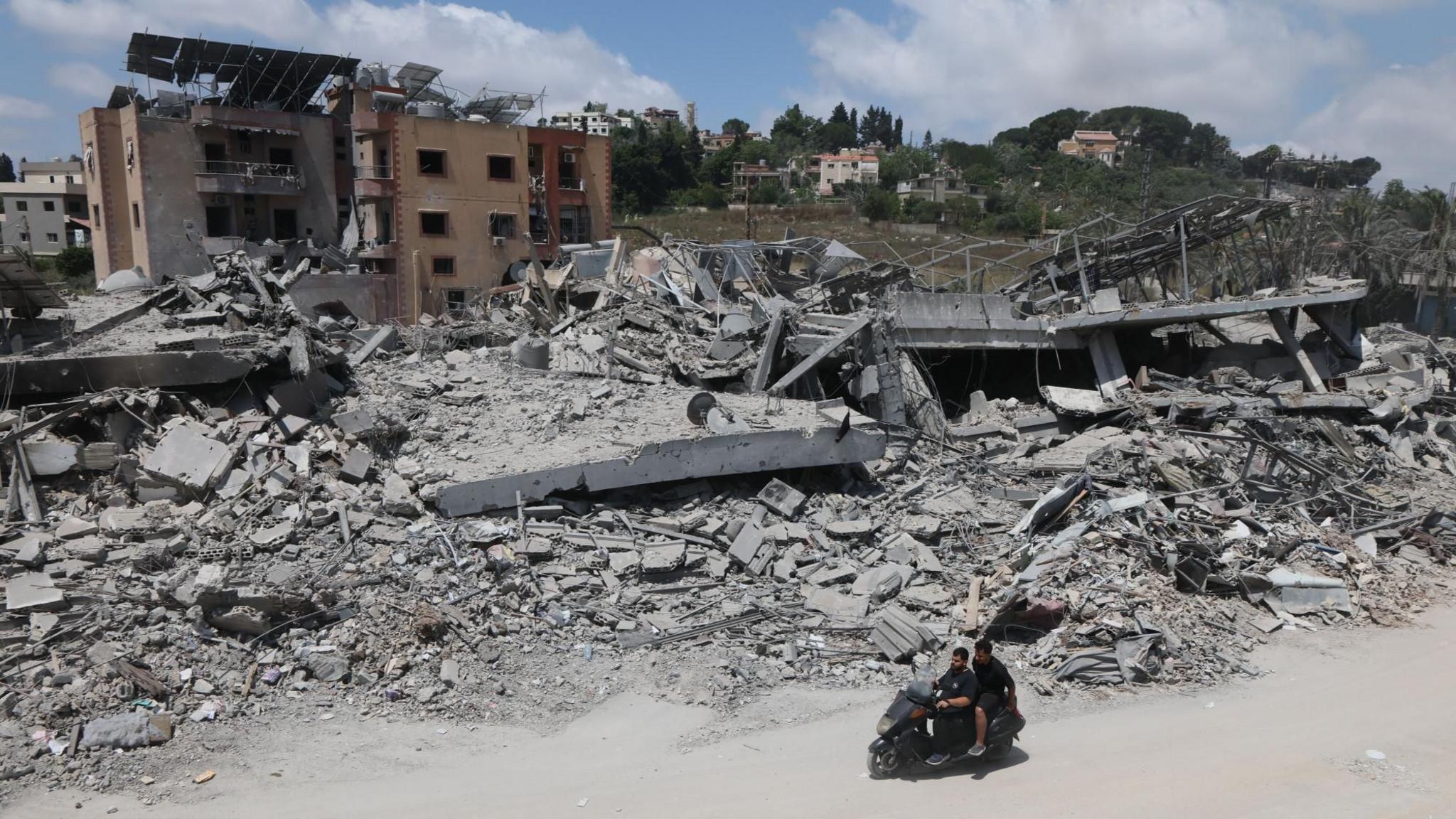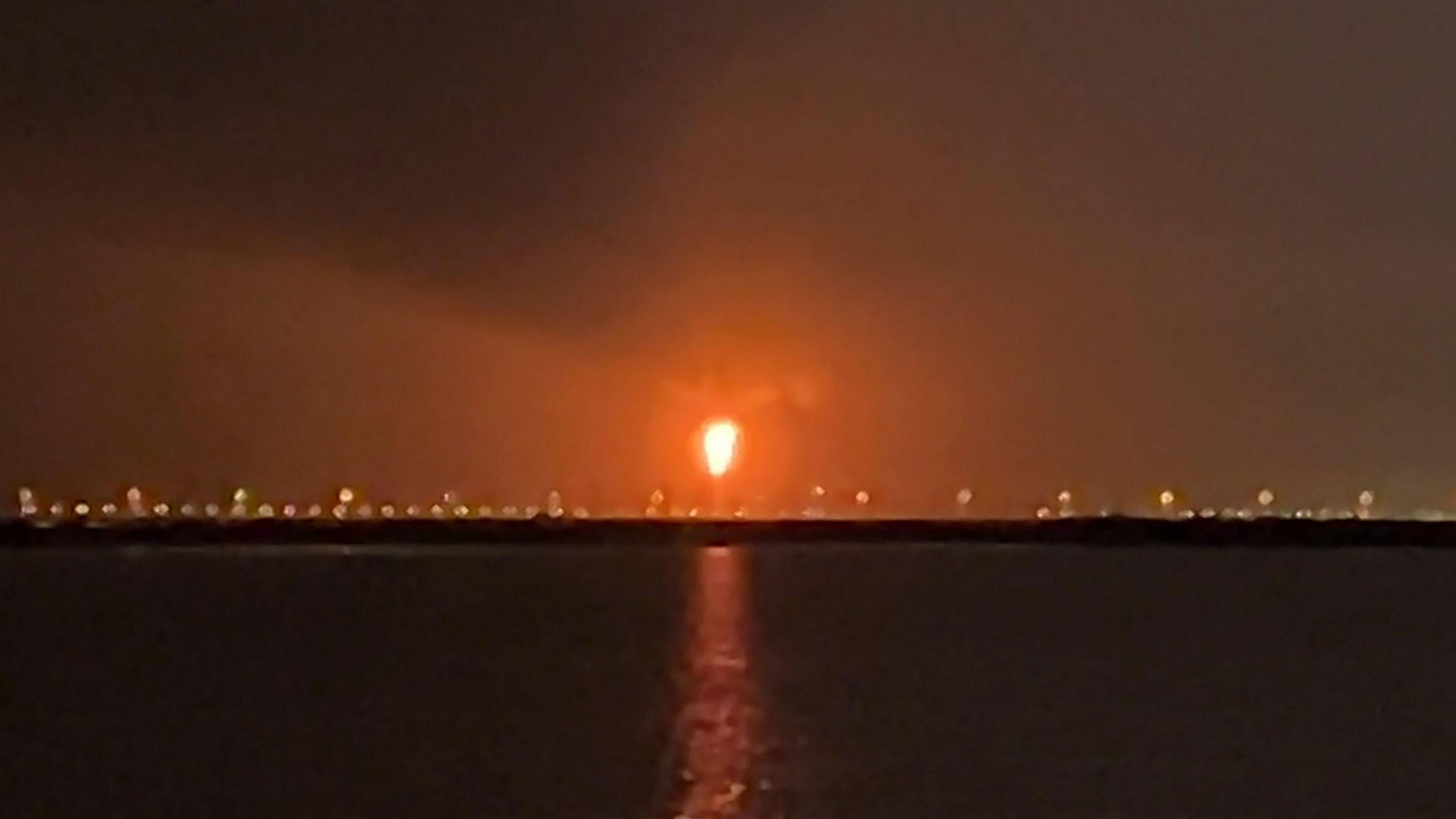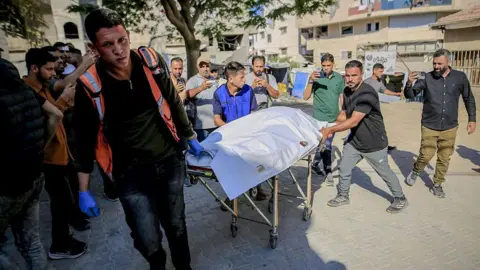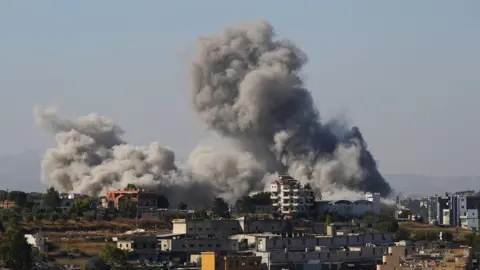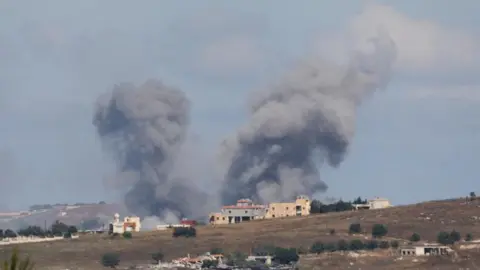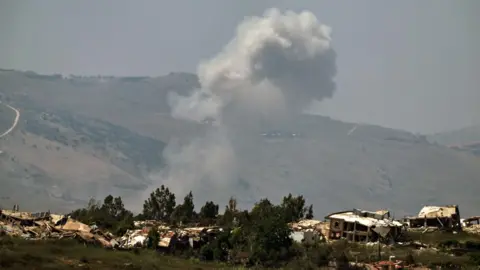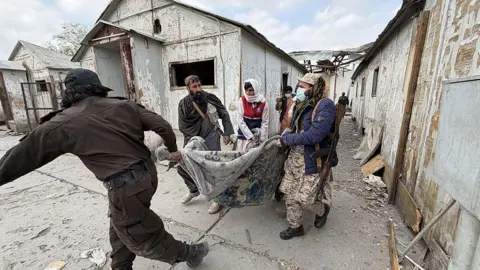
The recent airstrike on Kabul marked the highest number of casualties since hostilities reignited in February. Within hours of explosions resonating through the capital, both sides sprang to social media, delving into a fierce war of words, aiming to shape public perception about the violence.
Zabihullah Mujahid, spokesperson for the Taliban, accused the Pakistani military of violating Afghanistan’s airspace and targeting a drug rehabilitation center, calling it a crime against humanity. Pakistan's Ministry of Information countered these claims, labeling them as propaganda and asserting that the military carried out precise strikes against terrorist infrastructures in Kabul.
As more than 140 deaths were verified by the United Nations, the Taliban's claim escalated the rhetoric, exaggerating casualties to over 400, although independent sources indicated at least 100 fatalities. The dispute over responsibility for the airstrike showcased the conflict's deeply rooted narrative struggles fueled by misinformation.
Pakistan's military insisted that their operations were necessary to protect its citizens from attacks attributed to Afghan militants, leading to a cycle of retaliation. The Taliban, in turn, has promised a severe response to any further incursions. The intricate blame game between the two nations further complicates their already strained relations, and as accusations fly, the prospect for reconciliation appears increasingly dim.
As both sides continue to solidify their positions through escalated rhetoric and military actions, the possibility of finding common ground diminishes further. The ongoing conflict not only illustrates the combat between two military powers but also reflects a deeper struggle for narrative control in an ever-evolving regional landscape.