In brief
On 19 June, a Tesla Model 3 left the highway and slammed into a home near Houston, fatally injuring a 76‑year‑old resident. The National Highway Traffic Safety Administration has opened a special crash investigation, separate from the police inquiry, to examine the car’s automated driving system. Police say the driver was sober and claimed the vehicle was in “full self‑driving” mode at the time. Martor and senators have already called for deeper scrutiny of Tesla’s autonomous technology.
On 19 June, a Tesla Model 3 from Harris County, Texas, went off the roadway and crashed through a residential property, killing the 76‑year‑old woman inside. The incident is now under a special crash investigation by the National Highway Traffic Safety Administration (NHTSA).
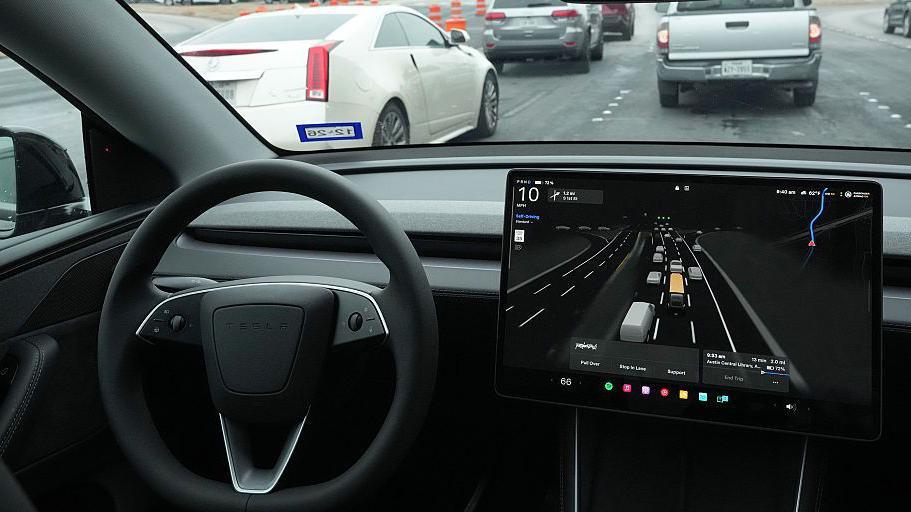
The driver, who was later taken to a hospital and is cooperating with investigators, said the vehicle was operating with its automated driving assistance system—Tesla’s “full‑self‑driving” (FSD) mode—when the crash occurred. Police confirmed the driver was not intoxicated.
According to the Harris County Sheriff’s Office, the vehicle failed to stay in a single lane, left the roadway at a high speed and struck the house at approximately 20:00 local time (03:00 GMT). The tragic accident left the victim’s daughter, son‑in‑law, and three grandchildren present in the home at the moment of impact.
The NHTSA, which conducts the most in‑depth investigations of automotive safety, stated it was launching a special study separate from the local police inquiry. Such investigations often focus on emerging vehicle technologies to gather data that can lead to safety recalls or regulatory actions.
Tesla has defended its FSD system as safer than human driving; however, critics— including Senators Edward Markey and Richard Blumenthal—have called the company’s claims misleading and urged the agency to tighten data reporting requirements for autonomous driving technologies.
Earlier this year, the NHTSA expanded a probe into Tesla’s performance in inclement weather, and more recent concerns have emerged about other autonomous leaders such as Waymo and Uber. The current Texas crash further fuels debate over the safety and regulation of vehicle automation.
We will continue to follow the investigation as more details emerge about the cause of the vehicle’s loss of control and any potential implications for Tesla’s product safety.