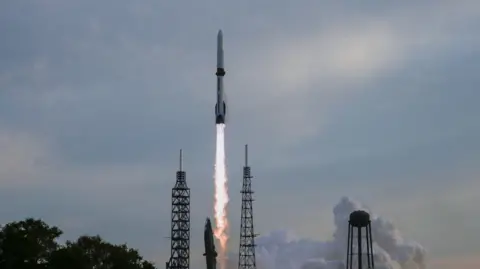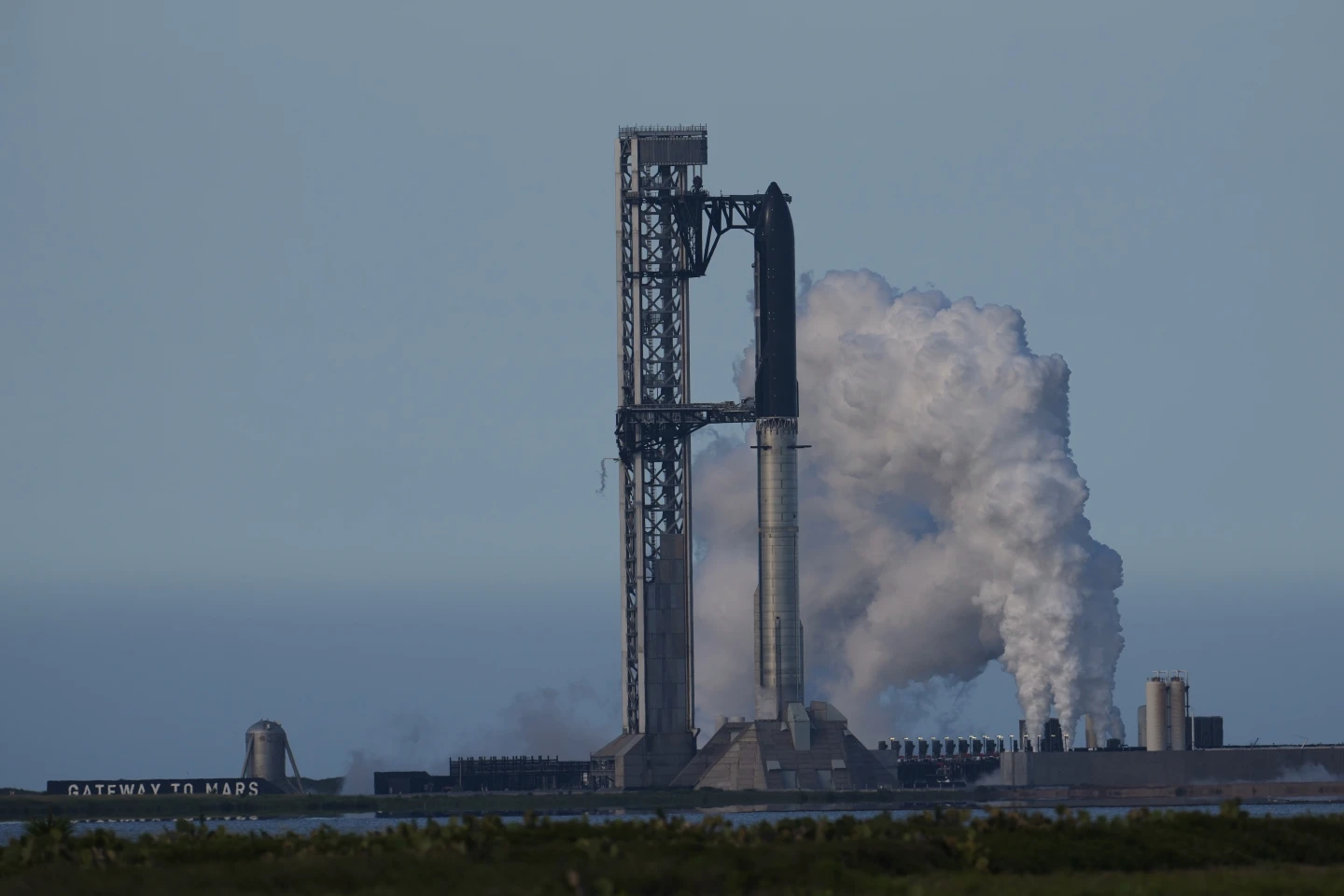
CAPE CANAVERAL, Fla. — SpaceX narrowly missed a historic launch attempt as critical hydraulic issues forced the cancellation of its Starship test flight just 30 seconds before liftoff Thursday evening. The company's largest rocket, standing 407 feet (124 meters) tall, was poised for a space-skimming journey from Starbase near the Mexico border when a malfunction with the brand-new launch pad prevented the countdown from proceeding.
SpaceX CEO Elon Musk confirmed the failure stemmed from a hydraulic pin that failed to retract from the launch tower's arm. 'If this issue can be fixed quickly, we'll attempt a launch Friday,' Musk stated in a post-countdown update. The technical glitch came as a major setback to the company's rapidly accelerating timeline, particularly with NASA urgently relying on Starship for crewed lunar missions under the Artemis program.
The scrubbed flight—Starship's 12th test and first since November—was originally slated to carry 20 mock Starlink satellites on a 60-minute journey that would culminate in a controlled ocean splashdown in the Indian Ocean. The mission represented a critical step toward developing the fully reusable system designed to transport astronauts to the moon, Mars, and beyond.
The timing of the delay proved particularly significant, occurring just one day after Musk announced SpaceX would pursue an initial public offering. The announcement underscored the company's accelerated commercialization strategy, with the Starship program now serving as both a technical milestone and financial catalyst.
NASA officials maintain their faith in Starship as the primary vehicle for the 2026 Artemis III moon landing mission. However, the recent technical challenges have intensified scrutiny over the program's ability to meet aggressive deadlines while developing systems capable of sustaining crewed missions to the lunar surface. As SpaceX prepares for Friday's potential launch attempt, the countdown room remains on high alert for what could be the deciding factor in the rocket's journey toward becoming humanity's next-generation space transportation system.}
SpaceX CEO Elon Musk confirmed the failure stemmed from a hydraulic pin that failed to retract from the launch tower's arm. 'If this issue can be fixed quickly, we'll attempt a launch Friday,' Musk stated in a post-countdown update. The technical glitch came as a major setback to the company's rapidly accelerating timeline, particularly with NASA urgently relying on Starship for crewed lunar missions under the Artemis program.
The scrubbed flight—Starship's 12th test and first since November—was originally slated to carry 20 mock Starlink satellites on a 60-minute journey that would culminate in a controlled ocean splashdown in the Indian Ocean. The mission represented a critical step toward developing the fully reusable system designed to transport astronauts to the moon, Mars, and beyond.
The timing of the delay proved particularly significant, occurring just one day after Musk announced SpaceX would pursue an initial public offering. The announcement underscored the company's accelerated commercialization strategy, with the Starship program now serving as both a technical milestone and financial catalyst.
NASA officials maintain their faith in Starship as the primary vehicle for the 2026 Artemis III moon landing mission. However, the recent technical challenges have intensified scrutiny over the program's ability to meet aggressive deadlines while developing systems capable of sustaining crewed missions to the lunar surface. As SpaceX prepares for Friday's potential launch attempt, the countdown room remains on high alert for what could be the deciding factor in the rocket's journey toward becoming humanity's next-generation space transportation system.}