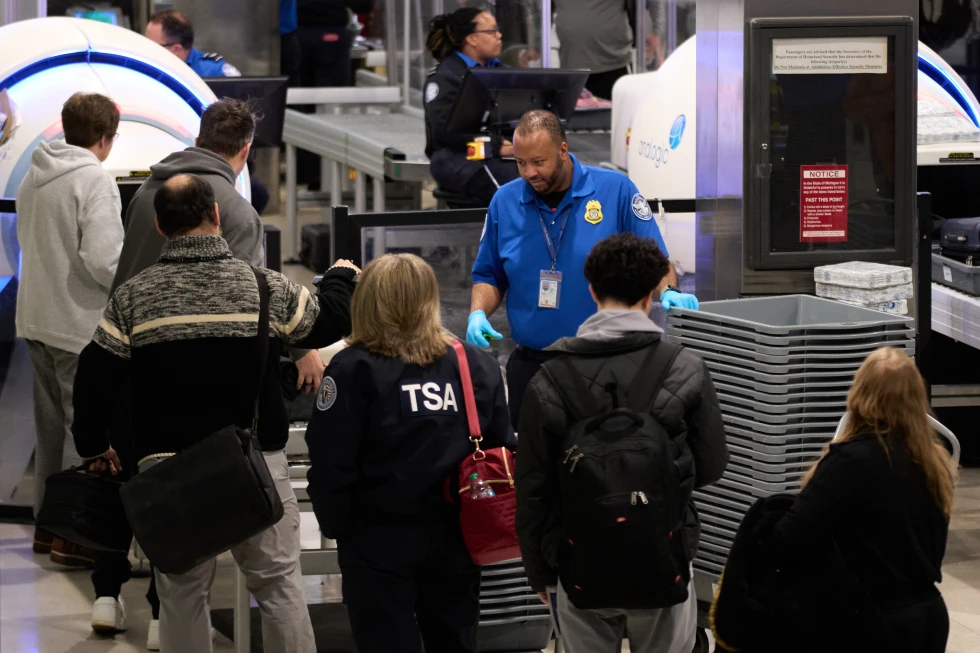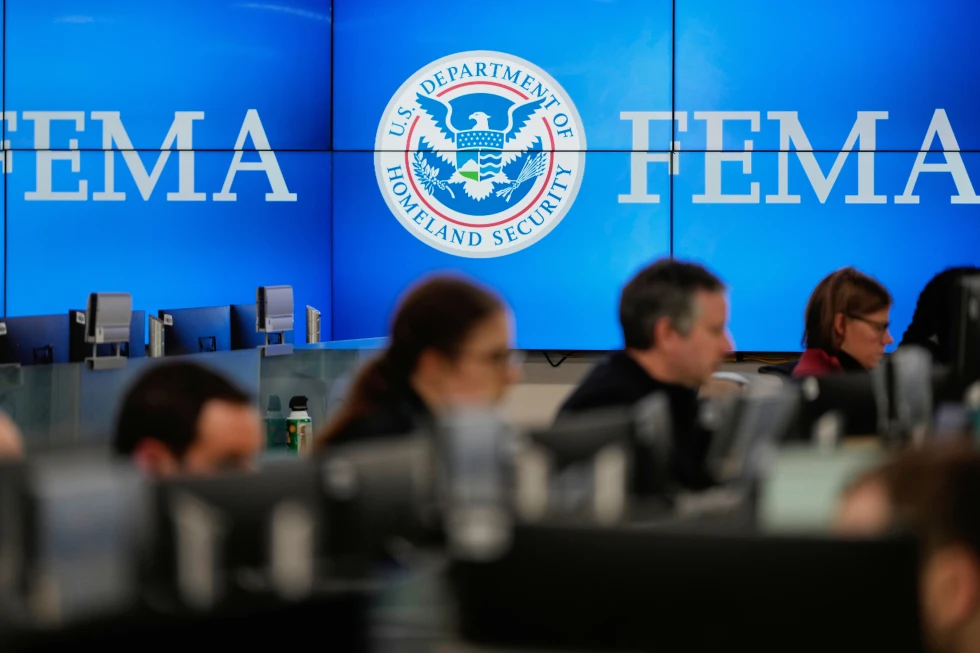
Eviction notices, vehicle repossessions, and empty refrigerators: these are the harsh realities for many TSA agents amid the ongoing government shutdown. As the third such funding lapse in six months stretches on, TSA workers are experiencing significant financial strain, with many forced to keep working without pay. Union leaders and federal officials have pointed out the ripple effect of these shutdowns, manifesting in the form of long wait times at airports as staff who remain are either cutting back on hours or leaving altogether. Reported resignations have surged, with over 376 agents quitting since the latest shutdown began on February 14.
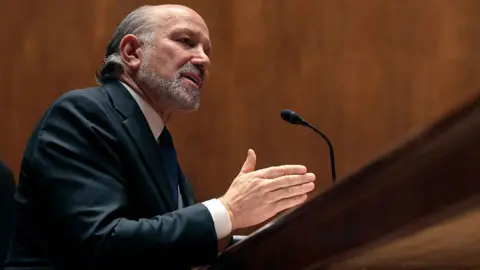
Cameron Cochems, a TSA union leader, expressed the emotional toll of these ongoing shutdowns, stating, “It’s just exhausting. Every day it just feels like this weight gets heavier and heavier on us.” This sentiment is echoed across the agency, which has struggled historically with low morale and high turnover rates.
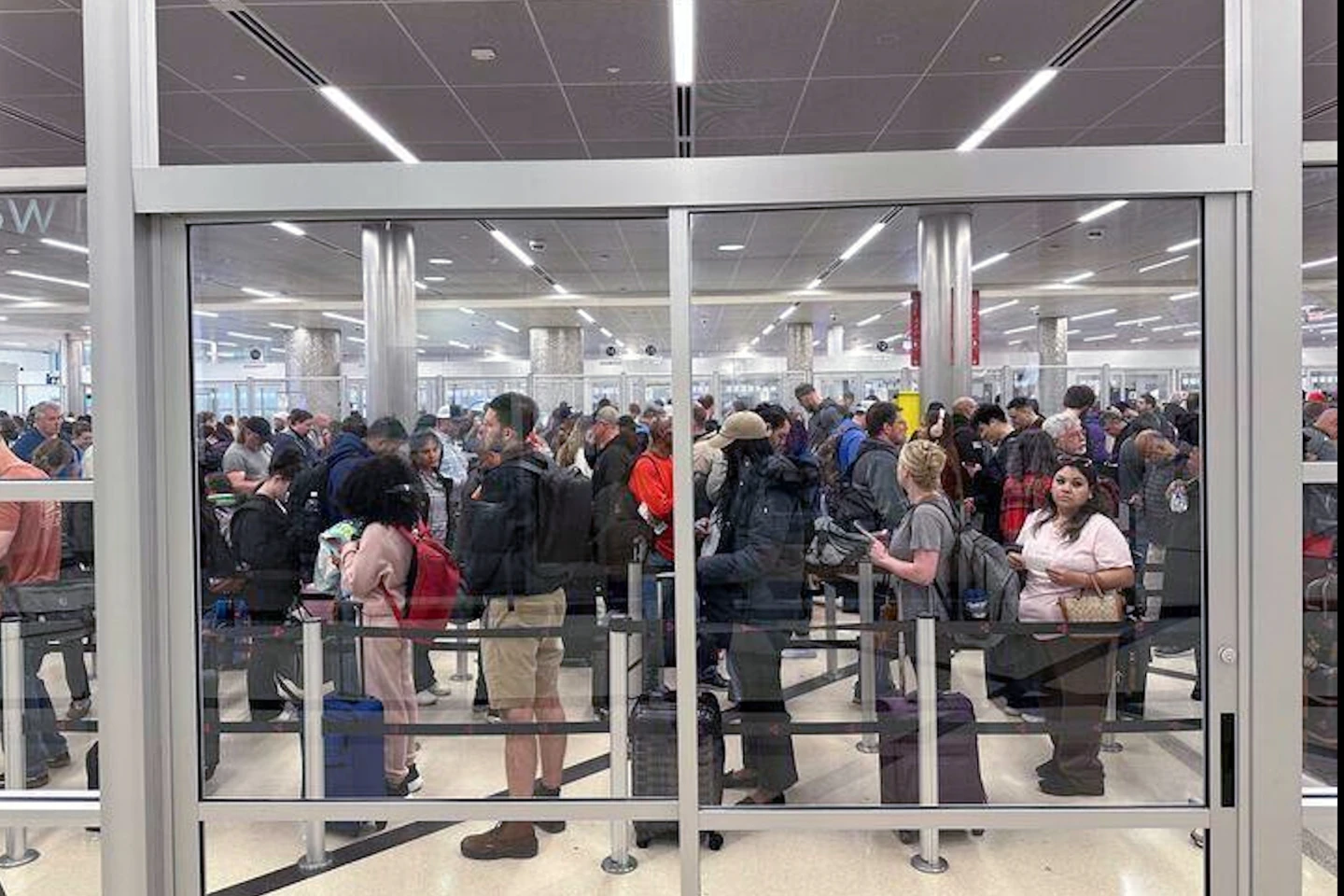
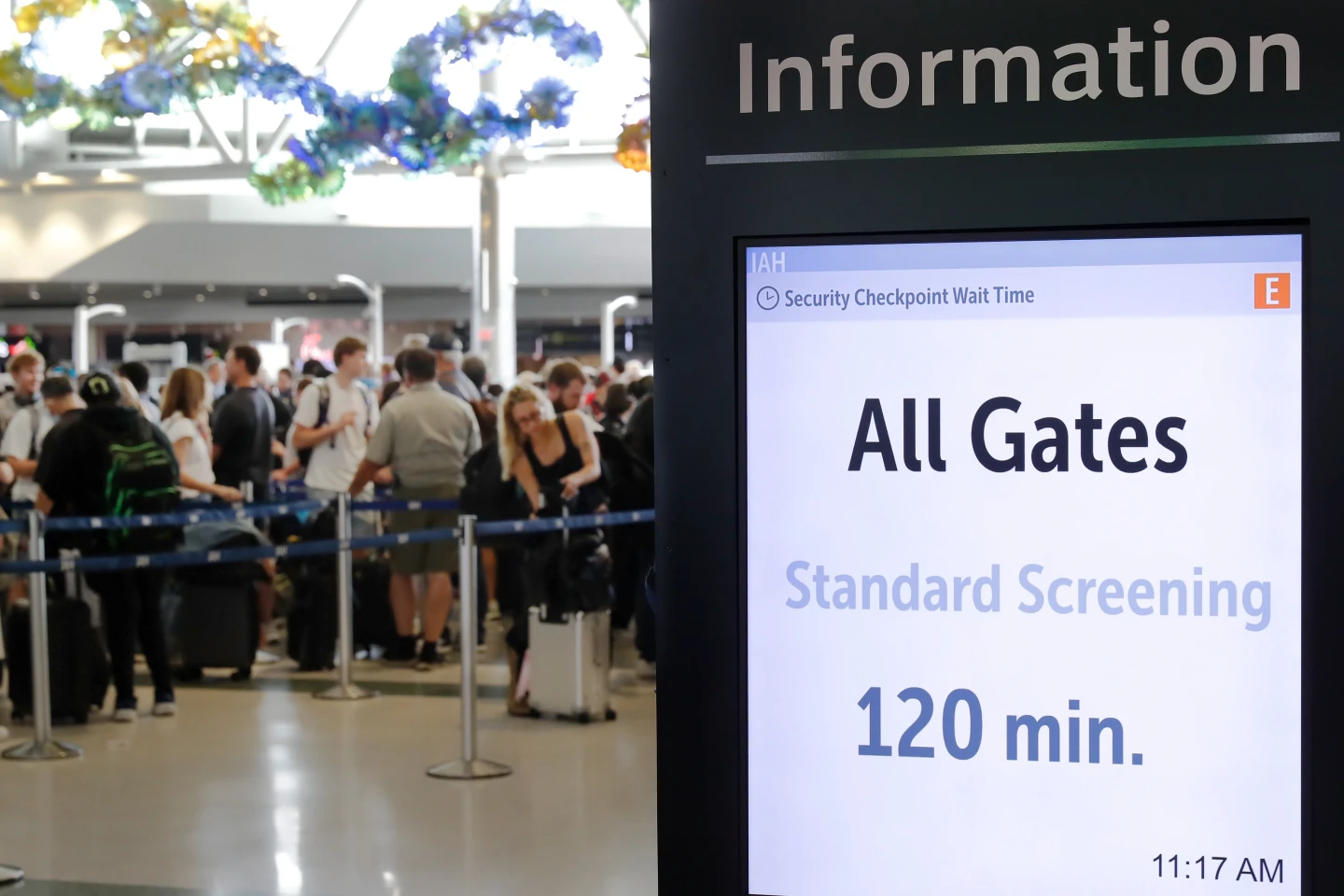
With recent observations indicating that some airports are facing up to 50% staff absenteeism, the impact on travelers is also palpable. Reports have surfaced detailing alarming wait times, with some passengers at airports like Houston and Atlanta missing their flights due to delays involving TSA screenings.
The growing number of absences has led to airport checkpoints being closed, exacerbating the frustration for both travelers and the TSA workers left to manage the situation. In many cases, the remnants of support structures in place for employees, like food drives organized at airports, reveal the depth of the crisis, where workers seek donations to afford basic necessities.
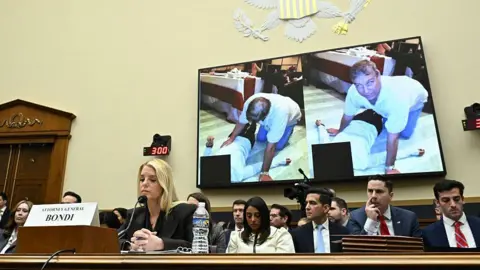
As Congress prepares for a hearing to address the situation, and with no clear resolution on when the funding will resume, TSA employees remain in a precarious position, uncertain of their financial future. Recriminations over management and inadequate pay remain a persistent discourse, with the Government Accountability Office noting the agency's ongoing struggles to maintain employee satisfaction amid unacceptable working conditions and stressful job environments.
Cameron Cochems, a TSA union leader, expressed the emotional toll of these ongoing shutdowns, stating, “It’s just exhausting. Every day it just feels like this weight gets heavier and heavier on us.” This sentiment is echoed across the agency, which has struggled historically with low morale and high turnover rates.
With recent observations indicating that some airports are facing up to 50% staff absenteeism, the impact on travelers is also palpable. Reports have surfaced detailing alarming wait times, with some passengers at airports like Houston and Atlanta missing their flights due to delays involving TSA screenings.
The growing number of absences has led to airport checkpoints being closed, exacerbating the frustration for both travelers and the TSA workers left to manage the situation. In many cases, the remnants of support structures in place for employees, like food drives organized at airports, reveal the depth of the crisis, where workers seek donations to afford basic necessities.
As Congress prepares for a hearing to address the situation, and with no clear resolution on when the funding will resume, TSA employees remain in a precarious position, uncertain of their financial future. Recriminations over management and inadequate pay remain a persistent discourse, with the Government Accountability Office noting the agency's ongoing struggles to maintain employee satisfaction amid unacceptable working conditions and stressful job environments.