In brief
In Iowa, the Rev. Sarah Trone Garriott exemplifies a growing trend of clergy entering the political arena as Democrats. Advocating for healthcare access and social justice, these religious leaders challenge the stereotype that Christianity aligns strictly with conservative politics. As they redefine the intersection of faith and policy, they face the unique challenge of engaging a diverse electorate that includes both religious and non-religious voters.
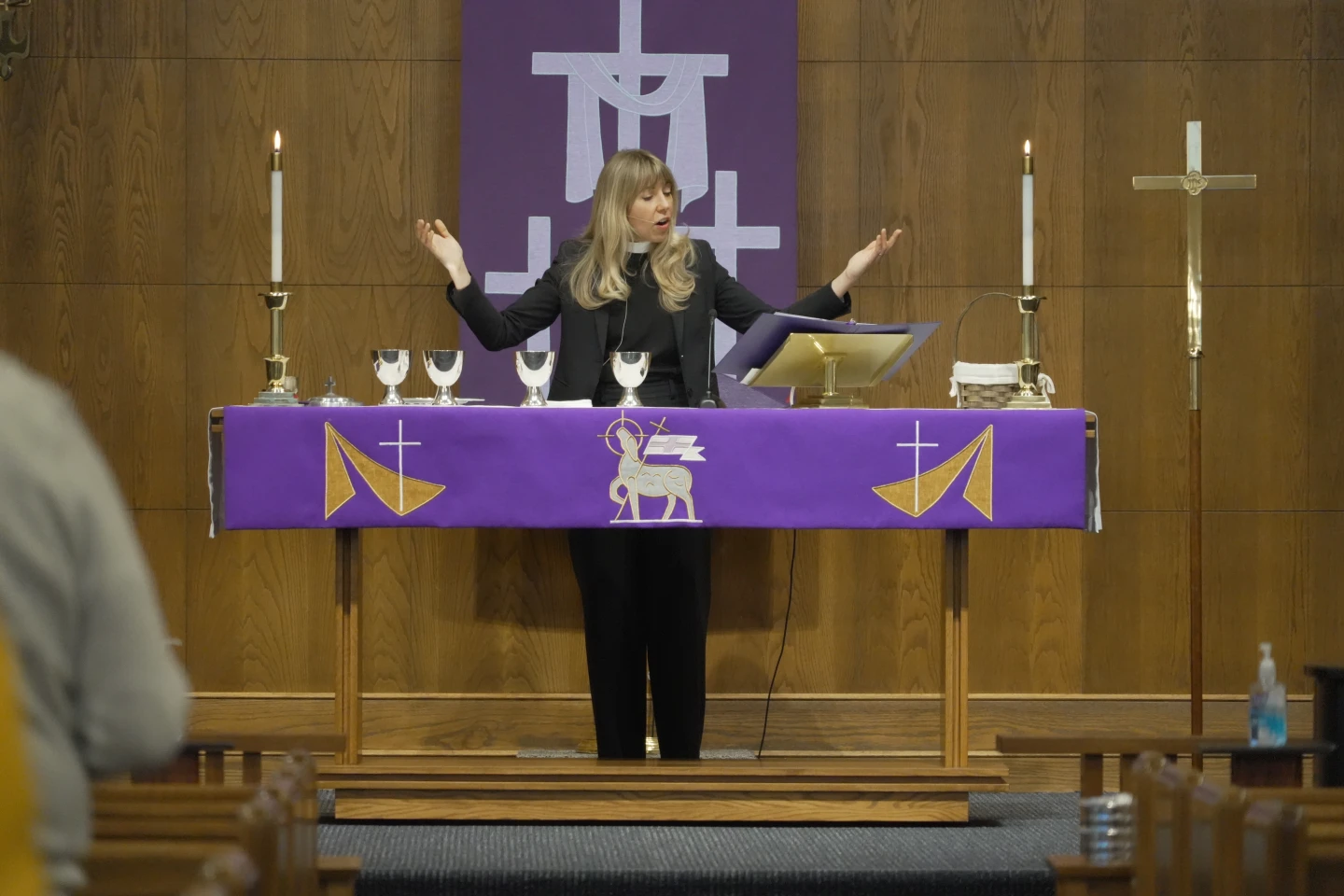
DES MOINES, Iowa (AP) — In an era of heightened political division, the Rev. Sarah Trone Garriott confidently navigates discussions around faith and policy. Last Sunday, she delivered a heartfelt sermon at Grace Lutheran Church, urging congregants to embrace strangers with the same warmth as Jesus. The day before, she engaged rural Iowa in her congressional campaign, criticizing cuts to Medicaid and emphasizing equitable healthcare access.
The Lutheran pastor is among three clergy members in Iowa running for the U.S. House as Democrats. Their candidacies reflect a noticeable shift, with more faith leaders challenging the long-standing narrative that Christianity equates to conservative politics, particularly post-Trump.
“Democrats haven’t historically done well engaging religious voters,” said Melissa Deckman, CEO of the Public Religion Research Institute. “But we’re witnessing a new emergence of clergy who are comfortable discussing faith and its implications on public policy.”
With religious diversity growing among Democratic voters, the party now faces the challenge of how to authentically engage faith in its messaging. Kentucky Governor Andy Beshear noted, “We stopped talking about our why.” He emphasizes that a clear articulation of faith-driven motivations can help build trust with religious communities.
Trone Garriott insists identifying the nuances of religious dialogue is crucial to countering the narratives filled by the religious right. She asserts that overlooking these differences has created a vacuum in political discourse, allowing extreme interpretations to dominate. “It’s important to articulate our positions from a perspective of faith and embrace that dialogue,” she explained.
Fellow Democratic candidates like Texas state representative James Talarico add to this narrative by communicating their faith-based perspectives on contentious issues like abortion and LGBTQ+ rights, making them targets for conservatives who challenge their theological justifications.
“Being engaged in politics doesn’t mean a theocracy,” Talarico countered, asserting the need for a principled but inclusive approach to governance that resonates with broader religious communities.
Democratic clergy across the country are recognizing that their faith can be a source of progress and inclusion. As they step into the political arena, they aim to reshape the perception of faith in public life and foster a connection with constituents who might otherwise feel alienated.
“Progressive Christianity is beginning to stand up amid a backdrop of conservative dominance,” said Rae Huang, who is campaigning in Los Angeles. Her candidacy stresses that religion can uplift and liberate rather than oppress.
This wave of clergy-led political activism signals a noteworthy shift, where faith serves as a guiding principle for advocates of social justice, inclusivity, and transformative change in governance.