SpaceX Opens Doors to Public Investors
Elon Musk’s private aerospace company is preparing to release 5 per cent of its shares to the public market, a move that would assign a market value of $1.75 trillion. The IPO is scheduled for 12 June, a date that has attracted a surge of retail interest across the United Kingdom, with brokers hoping to allocate £1.5 bn of shares to new investors.
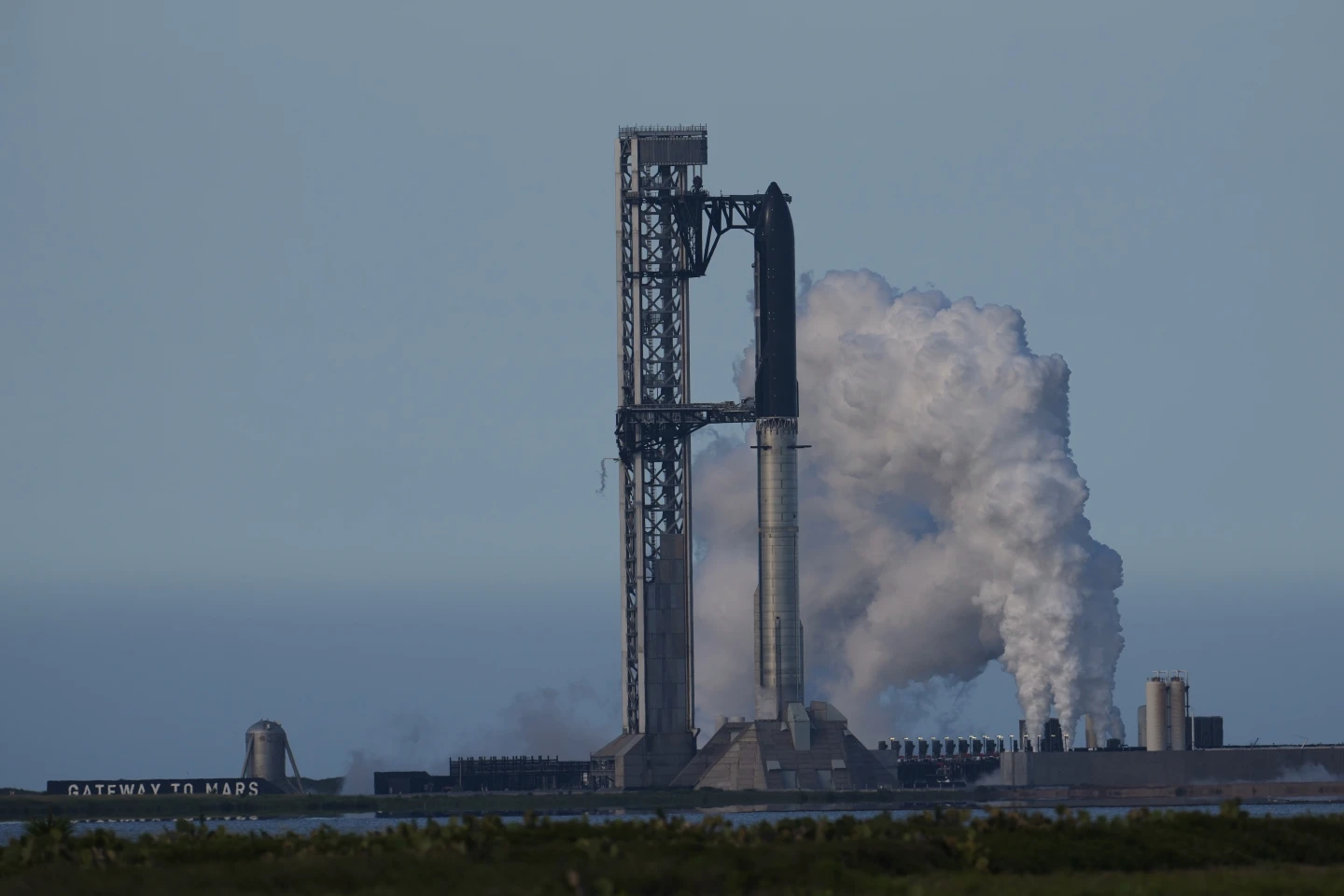
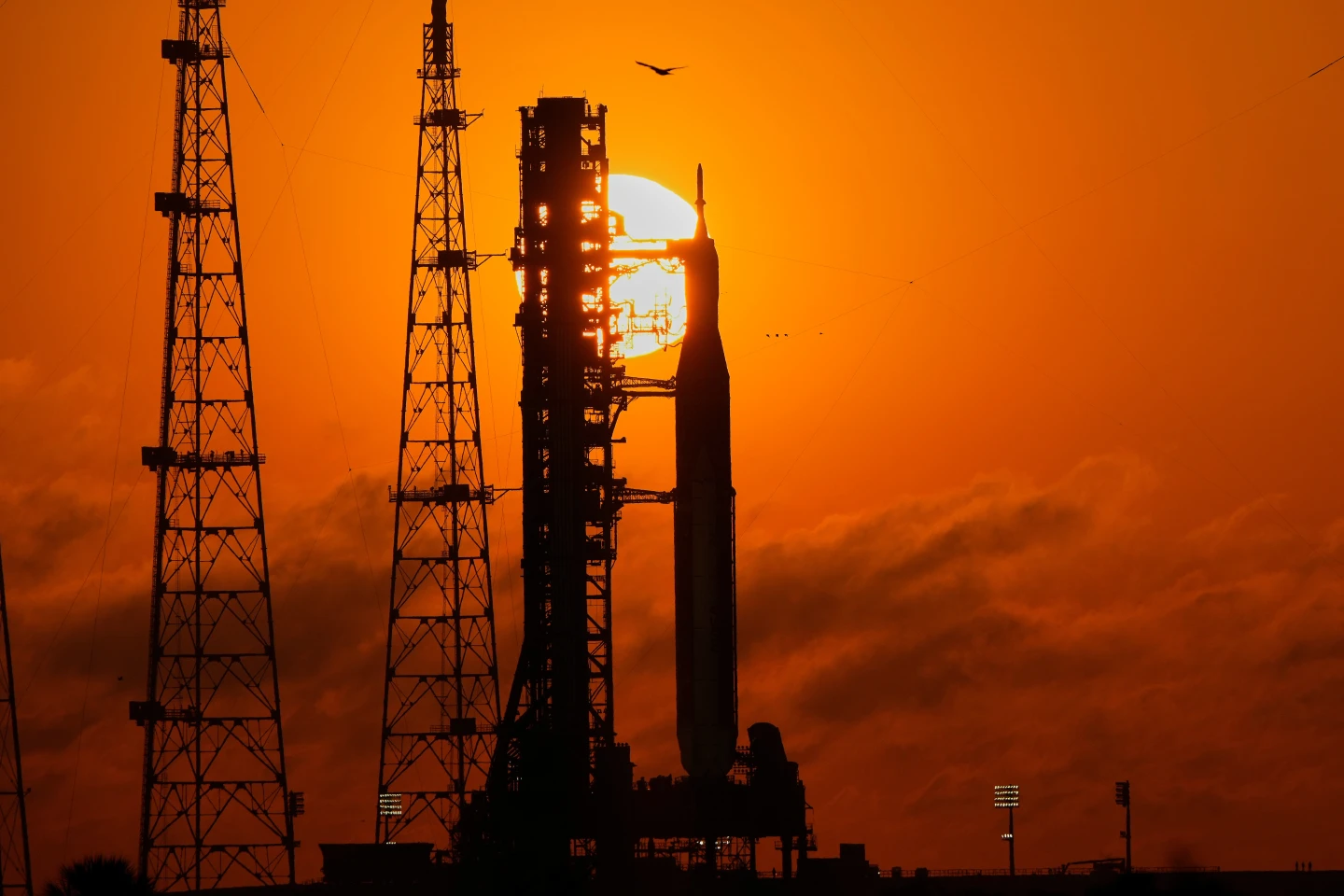
The launch that sparked the buzz came from Starbase, near Boca Chica, where the massive Starship rocket ascended at 07:25 am on 13 October 2024. While the launch itself was a public spectacle, the focus later turned to the reusable booster’s descent and the first unknown attempt to capture it in a mechanical clamp called Mechazilla.
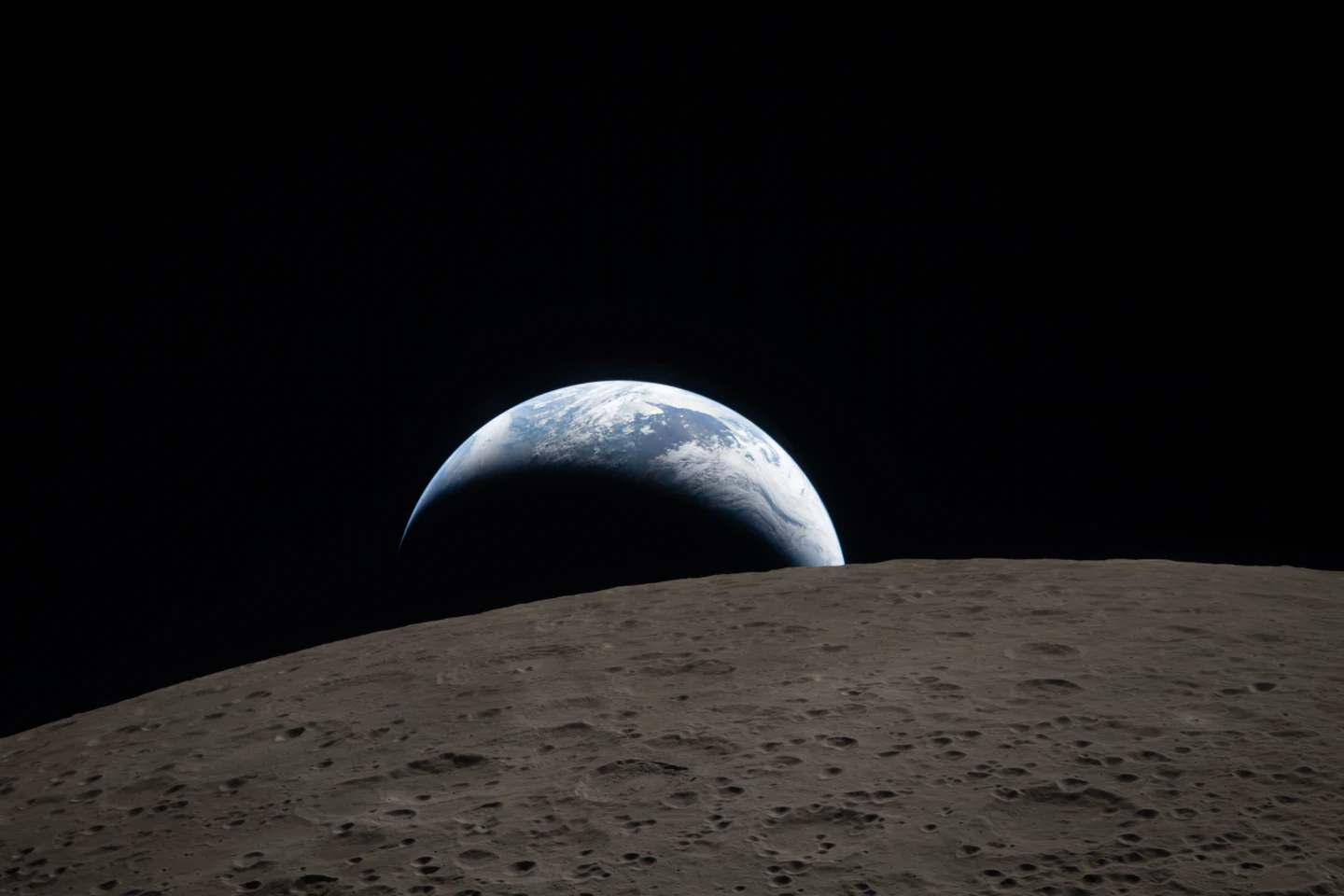
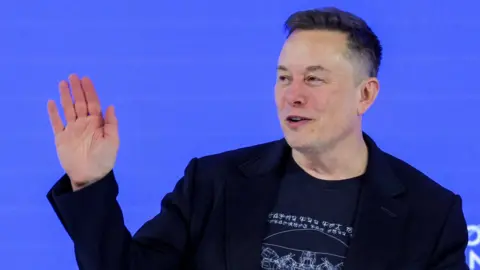
Musk used the moment to say that the endeavour represents a “big step towards making life multiplanetary,” underscoring how orbital shipping could reduce the cost of sending payloads to the Moon or beyond.
The company, which now includes satellite manufacturing and launch services alongside the Starlink network, positions itself as a conglomerate of space, communications and forthcoming AI ventures. Analysts advise that $300bn of the valuation comes from the satellite business, with the remainder tied to a broader $28.5 trillion AI market that SpaceX’s founders claim to control.
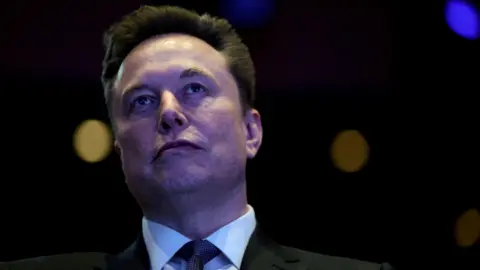
Investors are divided: some invite the prospect of a new flagship in the AI economy, while others caution that the brand’s value is essentially Musk’s personal prestige. Current voting arrangements give Elon Musk 85 per cent of the company’s control, even though he owns only 42 per cent of equity.
Proponents argue that the IPO could lay a foundation for other tech firms—such as Anthropic and OpenAI—to follow suit, potentially creating a new wave of mega‑cap companies. Critics warn that the influx of shares may echo a dot‑com bubble, especially if supply expands faster than demand and index funds dilute scarcity.
With the commercial success of the Starship and the ambitious roadmap to 1 billion robots, Musk’s previous ventures have proven resilient to market headwinds. Yet even as the market hovers above 13 per cent, questions persist about whether the swank of Musk’s accomplishments justifies the premium investors are willing to pay.